
Sustainable clothing brands can be affordable, but usually only if you shop with a clear definition of “sustainable” and a plan for how you buy.
A lot of people get stuck in the same loop: you want better materials and fairer labor practices, you see a “conscious” label, then the price tag makes you back out. The good news is, affordability often comes from strategy, not settling.
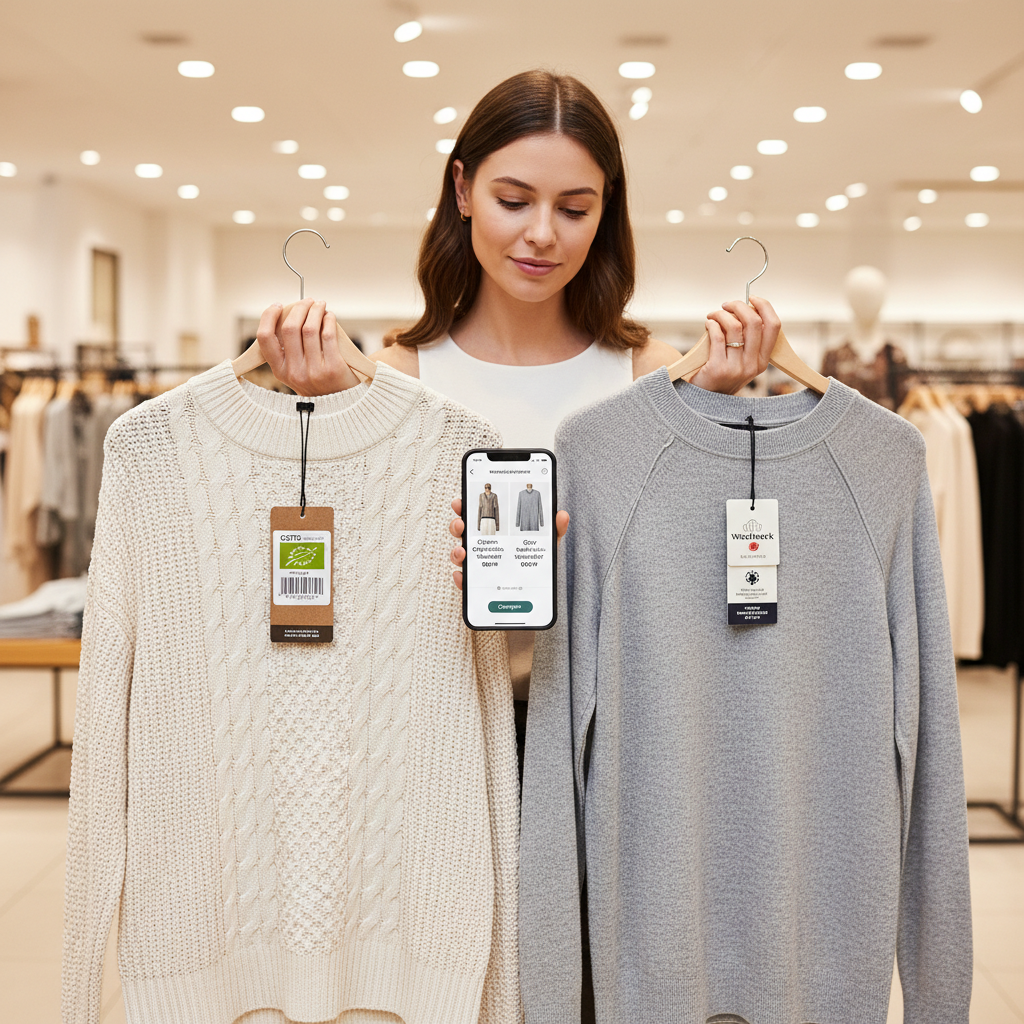
This guide focuses on what actually moves the needle for most U.S. shoppers: materials that last, policies that reduce waste, and simple ways to verify claims. You’ll also get a practical shortlist of brand “types” to target, plus a table to compare options fast.
What “affordable” and “sustainable” really mean (so you don’t chase the wrong thing)
“Affordable” is personal, so it helps to think in ranges: under $40 basics, $40–$100 for better denim/knits, and $100+ for outerwear you keep for years. Sustainability works the same way, it’s usually a bundle of choices rather than one magic label.
In real shopping situations, the most reliable signals tend to be boring ones: fiber content, construction quality, repair options, and whether the brand is transparent about factories and sourcing. Marketing language matters less.
According to the U.S. Federal Trade Commission (FTC), environmental marketing claims should be clear, specific, and supported by evidence, which is a helpful mindset when you read “eco,” “green,” or “planet friendly.”
- More sustainable fibers: organic cotton, linen, hemp, TENCEL Lyocell, recycled fibers (with tradeoffs)
- Lower-impact buying habits: fewer, better pieces; secondhand; repairing
- Brand practices: traceability, wage initiatives, audited factories, take-back programs
Why “affordable sustainable” is hard, and where the hidden deals are
There’s a reason prices jump: better materials cost more, ethical production often costs more, and smaller production runs reduce discounting. But there are still realistic ways to pay less without pretending a $12 “eco tee” solves everything.
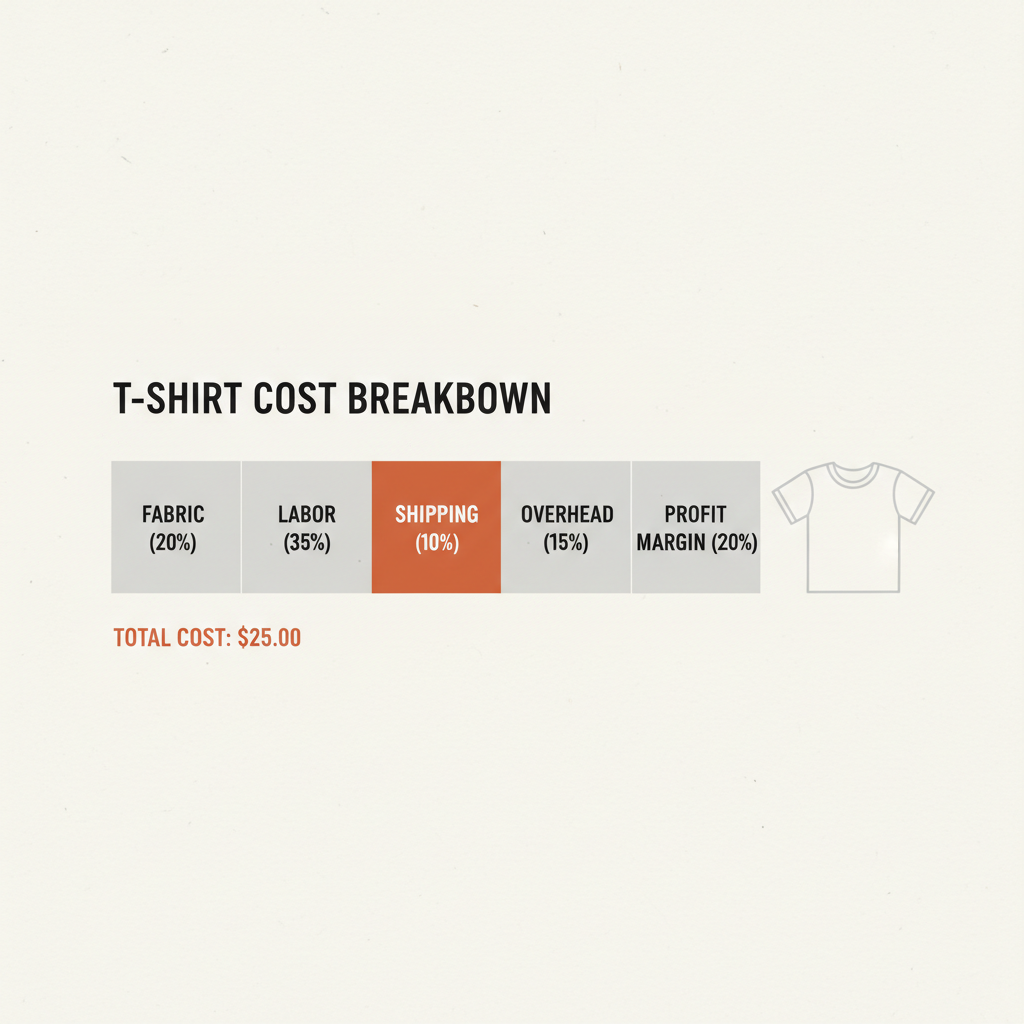
What tends to work better is hunting for “value pockets,” places where sustainable clothing brands (or close-enough alternatives) become affordable because of timing, format, or product category.
- End-of-season sales on outerwear, denim, and shoes, bigger savings with less risk
- Factory seconds or “recommerce” sites run by brands, minor flaws, big discounts
- Secondhand for premium fabrics (wool, cashmere, silk blends) at midrange prices
- Uniform basics: tees, socks, underwear are often the hardest to “green” cheaply, so buy fewer and upgrade slowly
Also, durability is underrated. A $60 tee that holds shape can be cheaper per wear than a $20 tee that twists and pills after a few washes.
A quick checklist to spot legit sustainable clothing brands (and avoid greenwashing)
Most shoppers don’t have time to investigate supply chains, so use a short filter. If a brand fails two or three items below, it’s often a sign to pause.
- Specific materials: fiber percentages listed, not vague “eco fabric” language
- Factory transparency: country plus factory partners, ideally with audits or standards
- Care guidance: clear washing instructions to extend garment life
- Repair/take-back: even a basic repair program signals long-term thinking
- Certifications used correctly: explained and tied to products, not sprinkled everywhere
Certifications can help, but don’t treat them like a single yes/no stamp. Some focus on fiber farming, others on chemicals, others on labor conditions. Many situations require reading the fine print on what the certification actually covers.
According to OECD, clear and truthful environmental claims matter because vague or misleading claims can distort consumer choices and undermine trust, which is exactly what happens in the “conscious collection” aisle.
Affordable brand categories to shop (with examples of what to look for)
Instead of chasing one “perfect” label, it’s usually smarter to mix categories depending on what you’re buying. Here are the buckets that tend to deliver the best cost-to-impact balance for U.S. shoppers.
1) Secondhand-first platforms (best for budget and impact)
Look for sellers who post clear measurements, fabric closeups, and condition notes. Filters like “natural fibers,” “wool,” “linen,” and “Made in USA/EU” help you narrow faster.
- Best for: denim, coats, workwear, sweaters, occasion dresses
- Watch for: dry-clean-only items, shrinking risk, altered garments without measurements
2) Brand-run resale and “pre-loved” shops (best for low-risk secondhand)
Many sustainable clothing brands now operate their own resale channels or partner with recommerce providers. Prices can be higher than peer-to-peer, but condition grading and returns are often better.
- Best for: popular basics, seasonal capsules, outerwear
- Watch for: limited sizing, final sale policies
3) Small sustainable labels (best for transparency, not always price)
If you buy from smaller labels, focus on pieces where quality matters: denim, knitwear, tailored pants, and jackets. You’ll feel the difference in fabric weight and stitching, and it usually lasts.
- Best for: “one and done” upgrades you keep for years
- Watch for: long lead times, fewer discounts, stricter return windows
4) Outdoor and workwear brands with repair programs (best for longevity)
Even when not marketed as fashion, these brands often do durability well and offer repairs. If you’re building a minimal closet, this is one of the most practical routes.
- Best for: fleeces, shells, boots, backpacks, technical pants
- Watch for: PFAS-related water repellency questions, check product notes and care
Comparison table: what to buy where (so you spend on the right pieces)
Use this table as a “shopping map.” It’s not about perfection, it’s about putting your money where it holds up.
| Item type | Best affordable source | What to prioritize | Common mistake |
|---|---|---|---|
| Denim | Secondhand / brand resale | Weight, stretch %, inseam, wear points | Buying “rigid” denim without checking measurements |
| T-shirts & basics | Sales / multipacks from transparent brands | Fabric weight, neck rib, shrink guidance | Overpaying for a logo while ignoring fabric quality |
| Sweaters | Secondhand (wool, cashmere blends) | Pilling level, fiber content, moth holes | Buying “dry clean only” without budgeting upkeep |
| Activewear | Brand resale / outlet | Seam integrity, compression recovery | Expecting recycled synthetics to feel like cotton |
| Outerwear | End-of-season sales | Zippers, insulation type, repair policy | Buying trendy cuts you won’t wear next year |
Practical steps: build an affordable sustainable wardrobe in 30 days
This is the part most people skip, then wonder why costs spike. You don’t need a full closet reset, you need a sequence.
- Week 1: Inventory your most-worn items and your fastest failures (usually tees, jeans, shoes).
- Week 2: Pick 3 upgrades only. One “daily” item, one “work/going-out” item, one “weather” item.
- Week 3: Shop with rules: set a max price, require fiber details, and save listings for 48 hours before buying.
- Week 4: Lock in care: wash cold when possible, air dry more, spot clean, and learn basic repairs.
Key takeaway: If you buy fewer pieces but make each purchase more intentional, sustainable clothing brands start to feel less “premium-only” and more like a normal choice.
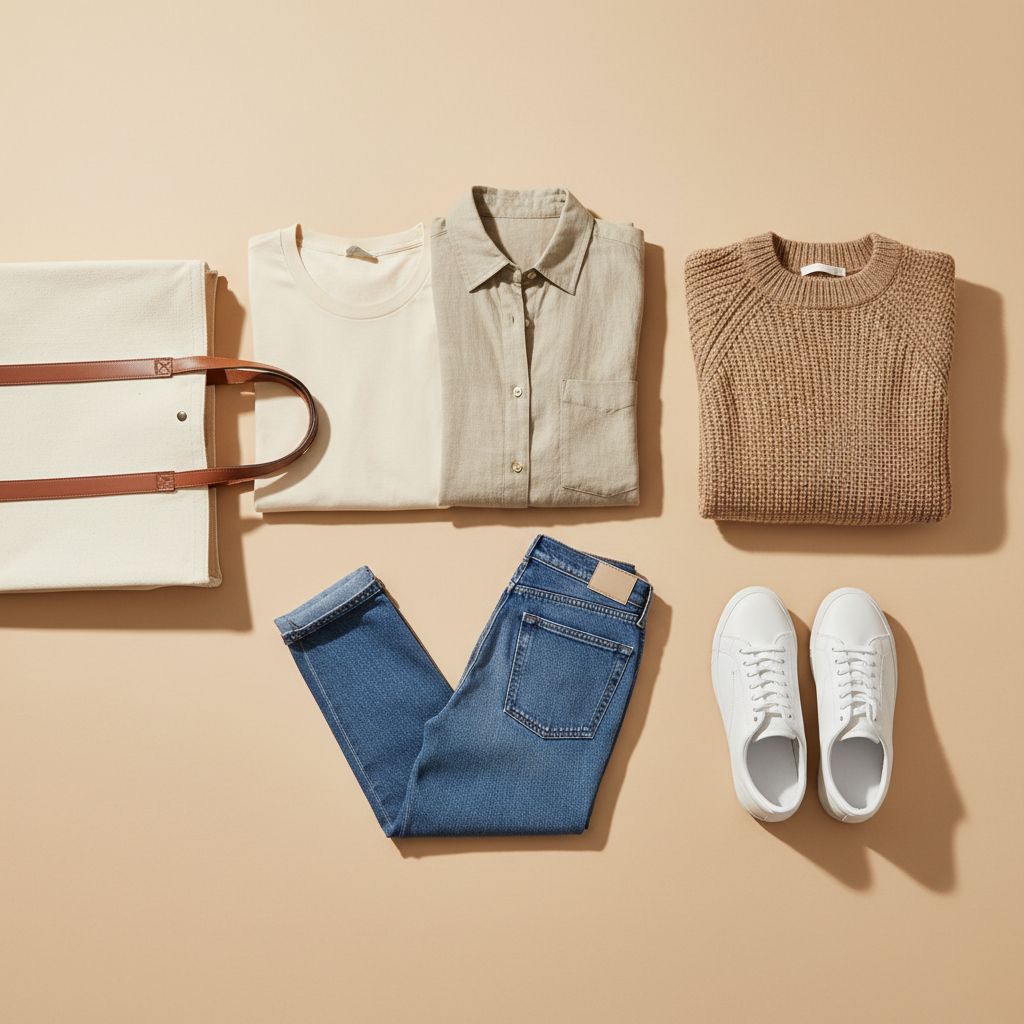
If you’re trying to spend even less, flip the plan: buy one high-wear item new (better fit, fewer returns), then fill the “fun” pieces secondhand where experimentation is cheaper.
Mistakes that make sustainable shopping expensive (and frustrating)
- Paying for buzzwords instead of reading fiber content and care instructions.
- Over-indexing on one metric (only organic, only recycled) while ignoring fit and longevity.
- Buying uncomfortable “aspirational” items that sit in your closet, the least sustainable outcome.
- Ignoring return friction: shipping and restocking fees can erase a “deal.”
- Skipping alterations: a $15 hem can save a purchase you’d otherwise regret.
One more thing: if you have sensitive skin or allergies, some “natural” fabrics or dyes can still irritate. If that’s you, patch-testing and consulting a clinician is often the safer move.
Conclusion: a realistic way to afford better clothes
Affordable shopping and sustainable choices don’t line up perfectly, but they do overlap more than people expect. When you focus on long wear, verified details, and secondhand where it shines, you stop paying extra just to feel less guilty.
Pick one category to upgrade this month, set a clear quality standard, and give yourself permission to walk away when a brand can’t explain what it sells. That’s usually where the savings start.
FAQ
- What are sustainable clothing brands, in plain English?
Usually it means a brand tries to reduce environmental impact and improve labor practices through materials, production, and transparency. The most credible ones explain specifics, not just values. - Is buying secondhand always more sustainable than buying new?
Often yes, because it extends a garment’s life, but condition and shipping can change the tradeoff. If you return a lot, the advantage can shrink. - How can I tell if a brand is greenwashing?
Look for vague claims without product-level details, no supplier info, and heavy “eco” language paired with constant new drops. If you can’t verify anything, treat it as marketing. - Do certifications guarantee ethical labor?
Not automatically. Many certifications cover certain parts of the chain, and labor standards vary by program. Use certifications as supporting evidence, then look for factory transparency and audits. - What’s the most affordable way to start buying more responsibly?
Start with care and longevity: wash less aggressively, repair small issues early, and buy one high-wear upgrade at a time. The budget impact stays manageable. - Are recycled polyester leggings “sustainable”?
They can be a better option than virgin synthetics in many cases, but they still shed microfibers over time. A laundry filter bag can help, and replacing less often matters most. - Where should I spend more vs. save?
Spend more on items you wear weekly (shoes, outerwear, denim), save on trend pieces and occasional wear via secondhand. That split usually feels practical and still moves you forward.
If you’re trying to narrow down sustainable clothing brands without spending hours on research, it can help to start from your closet gaps and your weekly routine, then shortlist brands that are transparent about materials and returns so you can shop with fewer regrets.