
Men cargo shorts multi pocket styles are great when you want hands-free storage, but they can also feel bulky, swing around when you walk, or make an outfit look sloppy if the fit and pocket layout are off.
This guide breaks down what actually matters when you shop: pocket design, fabric weight, rise and inseam, and the small details that decide whether they wear like “utility you’ll use” or “extra fabric you regret.” You’ll also get a quick self-check, a comparison table, and practical outfit and care tips.
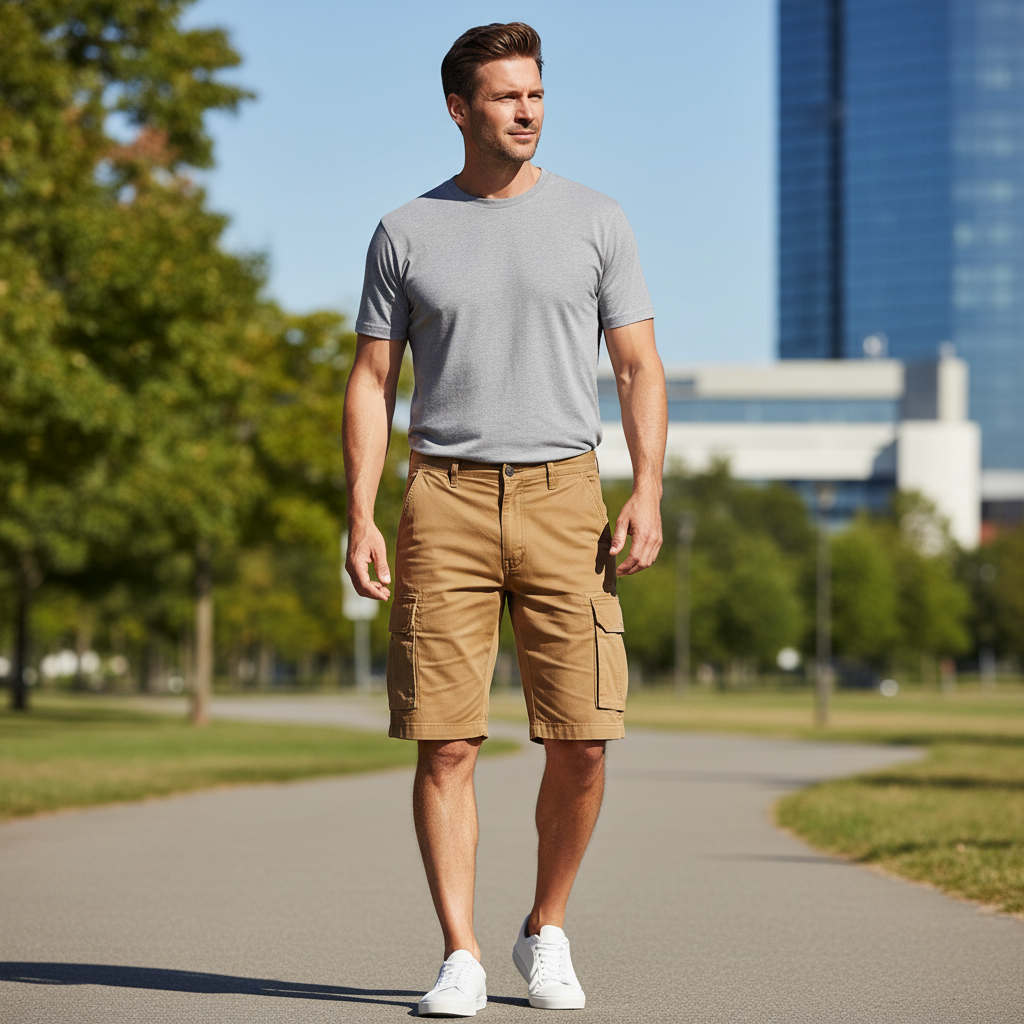
One common misconception is that “more pockets” automatically means “more practical.” In real use, pocket placement, closure type, and how the short is cut around your thigh matter more than raw pocket count.
Why multi-pocket cargo shorts are practical (and when they’re not)
The appeal is simple: you spread weight across your hips and thighs instead of stuffing everything into front pockets. For travel days, theme parks, dog walks, or light work tasks, that can be a real quality-of-life upgrade.
- Better organization: separate phone, keys, wallet, and small tools so you aren’t fishing around.
- Less pocket bulge: shifting items to side pockets can keep the front cleaner.
- Hands-free convenience: especially when you’re moving, carrying kids, or handling gear.
But multi-pocket designs backfire when pockets sit too low and slap your leg, when the fabric is stiff and balloons, or when the fit is overly relaxed and creates a boxy silhouette.
Quick self-check: what do you actually carry?
Before you buy, do a fast “real life” inventory. Most people don’t need eight pockets, they need the right two or three in the right places.
- Everyday carry: phone, wallet, keys, earbuds.
- Errands/outdoors: phone, slim power bank, small sunscreen, dog bags, multitool.
- Travel: phone, wallet, passport/ID, transit card, small sanitizer.
- Light work: tape measure, small notepad, bit set, gloves (varies by job).
If you mostly carry a phone and keys, prioritize comfort and a clean drape. If you routinely carry tools or heavier items, pocket closure and fabric durability matter more than “looking minimal.”
What to look for: pocket layout, closures, and comfort
Shopping for men cargo shorts multi pocket options gets easier when you evaluate three things in order: where the pockets sit, how they close, and how the fabric behaves once you load it.
Pocket placement that won’t flop around
- Side pockets should sit mid-thigh, not down near the knee, so weight stays stable.
- Angled openings can be easier to access one-handed than straight cut openings.
- Gusseted pockets expand for storage but can still lay flatter when empty.
Closures: buttons, snaps, Velcro, zippers
- Buttons: quieter, classic look, a bit slower to access.
- Snaps: fast and secure, can feel “tactical” depending on styling.
- Hook-and-loop (Velcro): quick, but can wear out and catch lint.
- Zippers: secure for travel, but can be less comfortable if placed poorly.
According to Federal Trade Commission (FTC) guidance on textile labeling, apparel should include fiber content and care instructions on the label, which is useful when you’re comparing durability and shrink risk across similar-looking shorts.
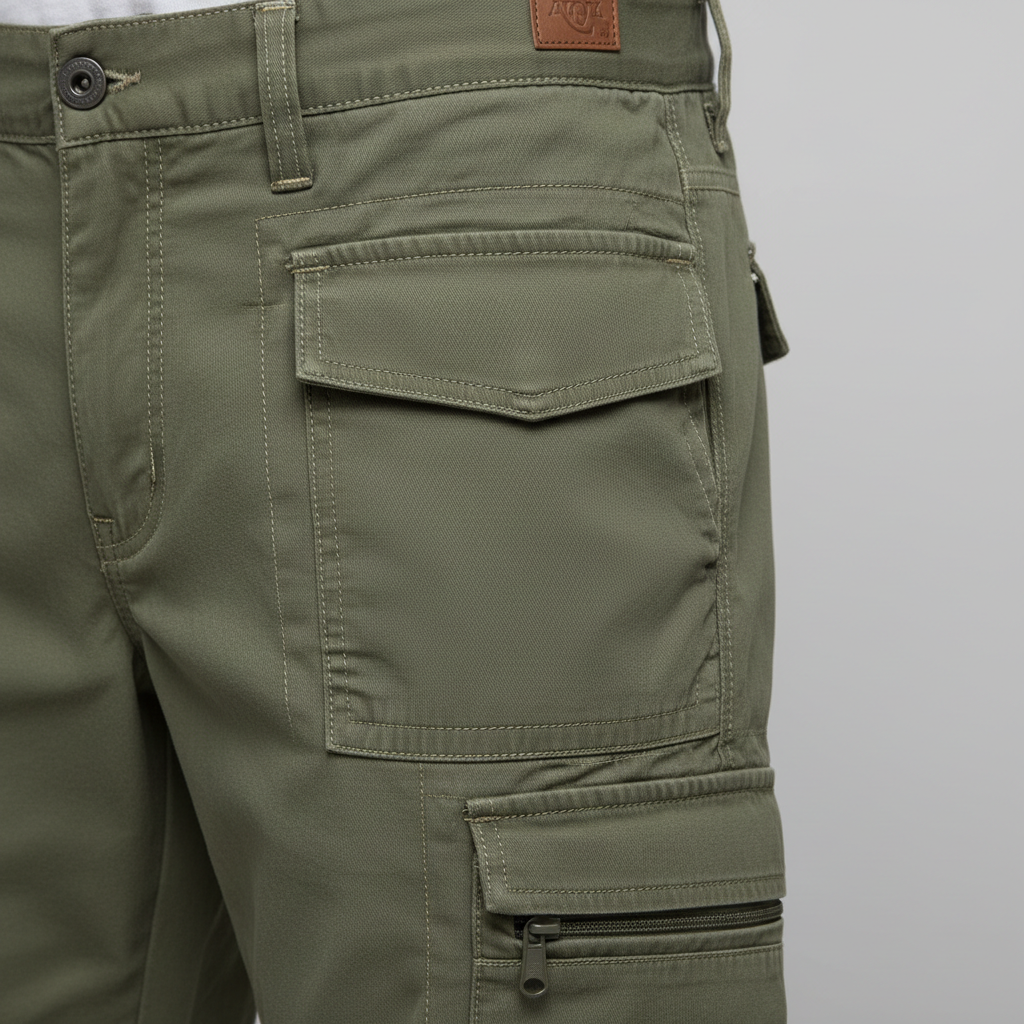
One more comfort detail people overlook: pocket edges and internal seams. If the short is cut slim through the thigh, thick pocket bags can rub, especially in heat and humidity. If you’re sensitive to chafing, you may want to consider smoother linings or slightly more room in the leg, and for persistent skin irritation it’s reasonable to ask a clinician for advice.
Fit and fabric: the difference between “practical” and “puffy”
A lot of “cargo shorts look bad” complaints are really fit problems. The pockets get blamed, but the cut is doing the damage.
Fit checkpoints that usually work
- Rise: a mid rise tends to balance comfort and proportion for most builds.
- Inseam: around 7–10 inches is common; shorter reads sportier, longer reads more utility.
- Thigh: leave enough room so loaded pockets don’t pull fabric tight and flare out.
- Waist stability: if pockets will carry weight, a firm waistband and belt loops help.
Fabric choices in plain English
- Cotton twill: classic, breathable, can wrinkle; good all-around.
- Ripstop cotton or cotton-blend: grid weave that resists tearing; common for utility styles.
- Nylon blends: lighter, quicker drying; can feel more “technical.”
- Stretch: a bit of elastane can improve comfort when squatting or climbing stairs.
If you’re buying for summer heat, don’t assume heavier equals better. Lighter fabrics can feel more comfortable, but they may show pocket outlines more easily when you load them.
Comparison table: choose the right cargo short for your use
Use this as a quick map rather than a strict rulebook, because body shape, climate, and style preferences change the “best” choice.
| Use case | What to prioritize | Pocket setup that fits | Fabric feel |
|---|---|---|---|
| Everyday casual | Clean silhouette, comfort | 2 side pockets + secure back pocket | Cotton twill with slight stretch |
| Travel / city walking | Security, easy access | Side pockets with snaps/zips | Light ripstop or nylon blend |
| Outdoor / light hiking | Mobility, durability | Gusseted side pockets + reinforced stitching | Ripstop with stretch |
| Yard work / DIY | Reinforcement, capacity | Deeper cargo pockets, tool slots | Heavier twill or durable blend |
Practical buying tips (that save returns)
If you want men cargo shorts multi pocket designs that feel genuinely useful, the trick is testing “loaded comfort,” not just mirror fit.
- Do the sit test: sit down and check if the side pocket flap digs into your thigh.
- Do the stair test: step up or lunge, see if pockets pull and twist.
- Bring your real items: put your phone and wallet in the pockets you’ll actually use.
- Watch the swing: walk 20–30 seconds; if pockets slap your leg, placement is too low or too loose.
- Check pocket depth: big phones need deeper pockets or more secure closures.
Key takeaway: a smaller number of well-placed pockets often feels more “multi pocket practical” than a crowded layout that shifts and sags.
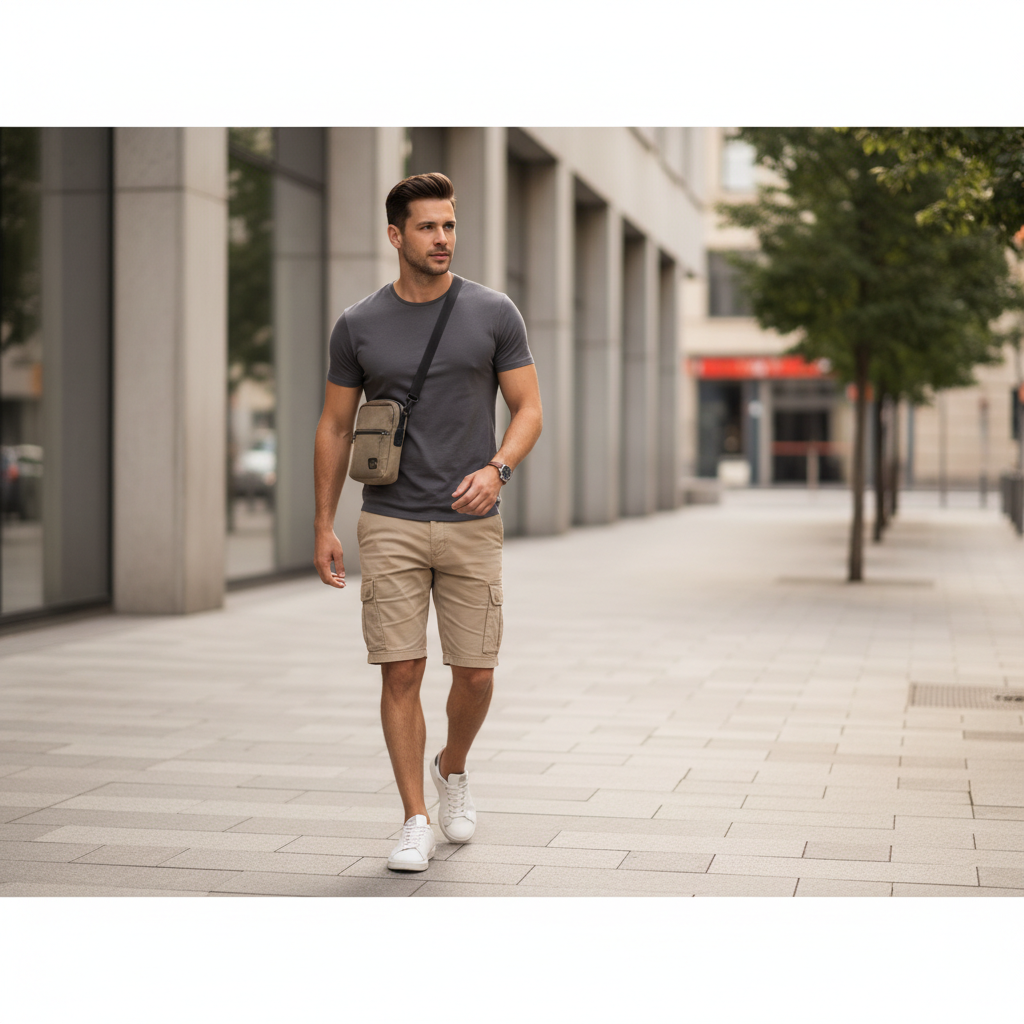
Style matters too, even if your priority is function. If you want them to look sharper, keep the top simple, avoid overstuffing, and consider a straighter leg rather than ultra-baggy cuts.
Common mistakes and how to avoid them
- Overloading side pockets: heavy items can pull the short off-center; split weight between sides and use back pockets for flatter items.
- Choosing pockets for looks: decorative flaps without real depth feel annoying fast.
- Ignoring closure noise: hook-and-loop can be loud; for quiet settings, snaps or buttons may fit better.
- Washing without checking the label: shrink and fading often come from hot water or high heat drying; follow care instructions.
According to American Academy of Dermatology (AAD), friction and sweat can contribute to chafing, so if you’re wearing cargo shorts in heat, choosing breathable fabric and a fit that reduces rubbing can help. If you get persistent irritation, a medical professional can offer more specific guidance.
How to wear them: simple outfit formulas that don’t feel “too tactical”
Multi-pocket shorts already bring visual texture, so pairing them with calmer basics usually looks more intentional.
- Clean casual: solid tee + low-profile sneakers + cargo shorts in khaki, olive, or navy.
- Smart casual summer: lightweight button-down or polo + leather sneakers, keep pockets unstuffed.
- Outdoor day: moisture-wicking tee + trail shoes, choose secure pocket closures for keys and cards.
If you tend to carry a lot, a belt can stabilize the waistband and keep weight from dragging the shorts down, which is often the difference between “practical” and “annoying by noon.”
Conclusion: what “practical” really means for cargo shorts
Men cargo shorts multi pocket choices work best when the pockets support your daily carry without changing how you walk, sit, or move. Look for mid-thigh pocket placement, closures that match your routine, and a fit that leaves room for loaded pockets without turning the leg into a balloon.
If you want a quick next step, pick one primary use case, then buy based on pocket stability and comfort tests rather than pocket count. You’ll wear them more, and you’ll think about them less, which is kind of the point.
FAQ
How many pockets should cargo shorts have for everyday use?
For most people, 6 pockets is plenty: two front, two back, and two side pockets. More can be useful, but only if you actually separate items and the pockets sit high enough to stay stable.
Are cargo shorts still in style in the US?
They show up regularly, especially in relaxed and outdoor-influenced looks. The more “current” versions usually have a cleaner cut, less ballooning fabric, and pockets that don’t stick out when empty.
What pocket closure is best for travel?
Zippers or snaps tend to feel more secure for crowded areas. Buttons can work too, but they’re slower if you pull out a phone often.
Do multi-pocket cargo shorts make you look wider?
They can, mainly when the leg is very loose and pockets are placed low or heavily gusseted. A straighter fit and keeping pockets lightly loaded usually helps a lot.
What inseam length is most versatile?
Many guys find 8–9 inches versatile because it balances coverage with movement, but height and preference matter. If you’re shorter, a slightly shorter inseam can look more proportional.
What fabric is best for hot weather?
Lighter cotton blends or nylon blends often feel cooler and dry faster. If you sweat heavily or chafe, prioritize breathability and a fit that reduces rubbing, and consider asking a professional if irritation persists.
How do I stop cargo pockets from flapping when I walk?
Look for pockets placed mid-thigh, choose closures that keep the flap down, and avoid carrying heavy items on one side only. Sometimes sizing down in leg width helps, as long as it doesn’t get tight.
If you’re trying to find a pair that looks clean but still carries what you need, start by listing your daily items, then match pocket placement and closures to that list. It’s a small bit of homework that usually beats buying based on photos alone.