
Best foundation for dry skin full coverage usually comes down to two things: a moisturizing base that won’t cling to texture, and a film that still looks skin-like once it sets. If your makeup cracks by noon or highlights every dry patch you didn’t know you had, it’s rarely “just your skin” or “just the foundation”, it’s the combo of formula, prep, and application.
This matters because dry skin can be unpredictable, one day it’s fine, the next day you get tightness around the mouth or flaking on the cheeks, and suddenly your usual full-coverage base looks heavier than you intended. The good news is you can still get coverage without sacrificing comfort, you just have to be pickier about ingredients, finish, and how you set.
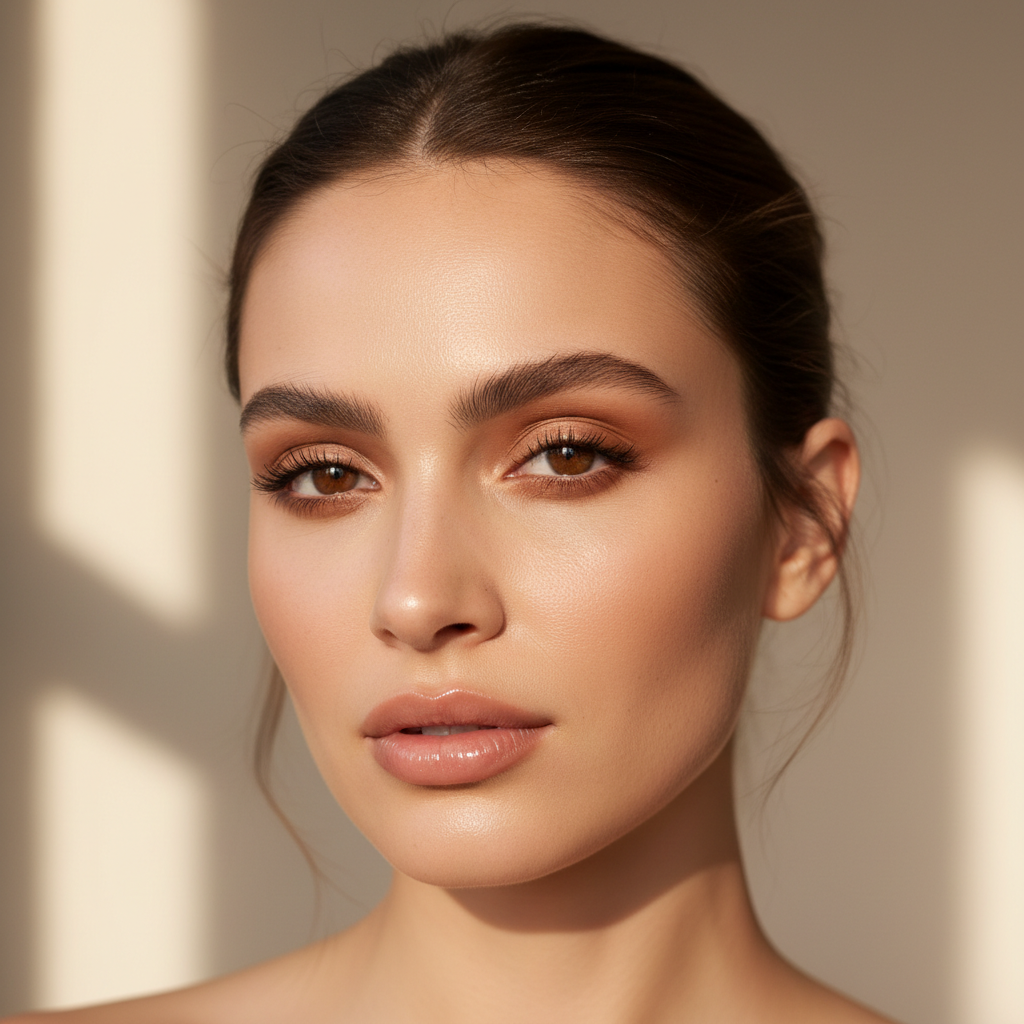
One more thing before we get into product types: “full coverage” doesn’t have to mean thick. Many modern formulas build coverage in thin layers, and for dry skin that’s often the difference between flawless and cakey.
Why full coverage can look worse on dry skin
Dry skin isn’t only “lack of oil”, it’s often a mix of dehydration, barrier stress, and surface texture. Foundation sits on top of all that, so small issues get amplified.
- Flakes create shadows, pigments catch on lifted skin and look darker or patchy in spots.
- Matte setting agents pull moisture, some long-wear formulas rely on absorbent powders that can feel tight and emphasize lines.
- Too much friction during prep, over-exfoliating or rubbing in skincare can leave micro-peeling that shows up once base dries down.
- Wrong setting strategy, baking or heavy powdering often turns “full coverage” into “full texture” on dry areas.
According to the American Academy of Dermatology (AAD), moisturizers that support the skin barrier, including occlusives and humectants, can help reduce dryness and flaking, which is exactly what your foundation needs underneath to look smooth.
What to look for in a full-coverage foundation for dry skin
When you’re searching for the best foundation for dry skin full coverage, read the finish and ingredient story more than the marketing claims. A “hydrating” label helps, but the formula details matter more.
Finish that flatters dry skin
- Satin or natural finish: tends to blur while still reflecting a little light, less likely to spotlight flakes.
- Dewy (controlled): can look gorgeous, but may need smarter setting so it doesn’t transfer everywhere.
- Soft matte: workable if it’s labeled “hydrating” or “comfortable matte”, but test carefully on your driest zones.
Ingredients and features that usually play nicer
- Humectants like glycerin or hyaluronic acid: help bind water in the upper layers so the base doesn’t look parched.
- Emollients (squalane, fatty alcohols, certain oils): add slip so coverage spreads without tugging.
- Film formers that stay flexible: support long wear without that “shrink wrap” feel.
- Buildable pigments: let you spot-conceal instead of piling one heavy coat across the whole face.
If you’re sensitive or acne-prone on top of being dry, patch testing helps, and if irritation persists it’s worth checking with a dermatologist, since ongoing dryness can overlap with eczema or contact dermatitis.
Quick self-check: which “dry skin problem” do you actually have?
Most people say “my skin is dry”, but the fix changes depending on where the issue shows up. Use this quick list before you change foundations.
- Flaking only around nose/mouth: often prep and setting choices, plus targeted extra moisture in those zones.
- Tightness all over within 1–2 hours: foundation may be too matte or your moisturizer isn’t sealing hydration.
- Foundation separates into patches: usually too much skincare slip, incompatible primer, or layered products not setting between steps.
- Texture looks worse under makeup than bare: base applied too thick, or powder used where you needed a creamier set.
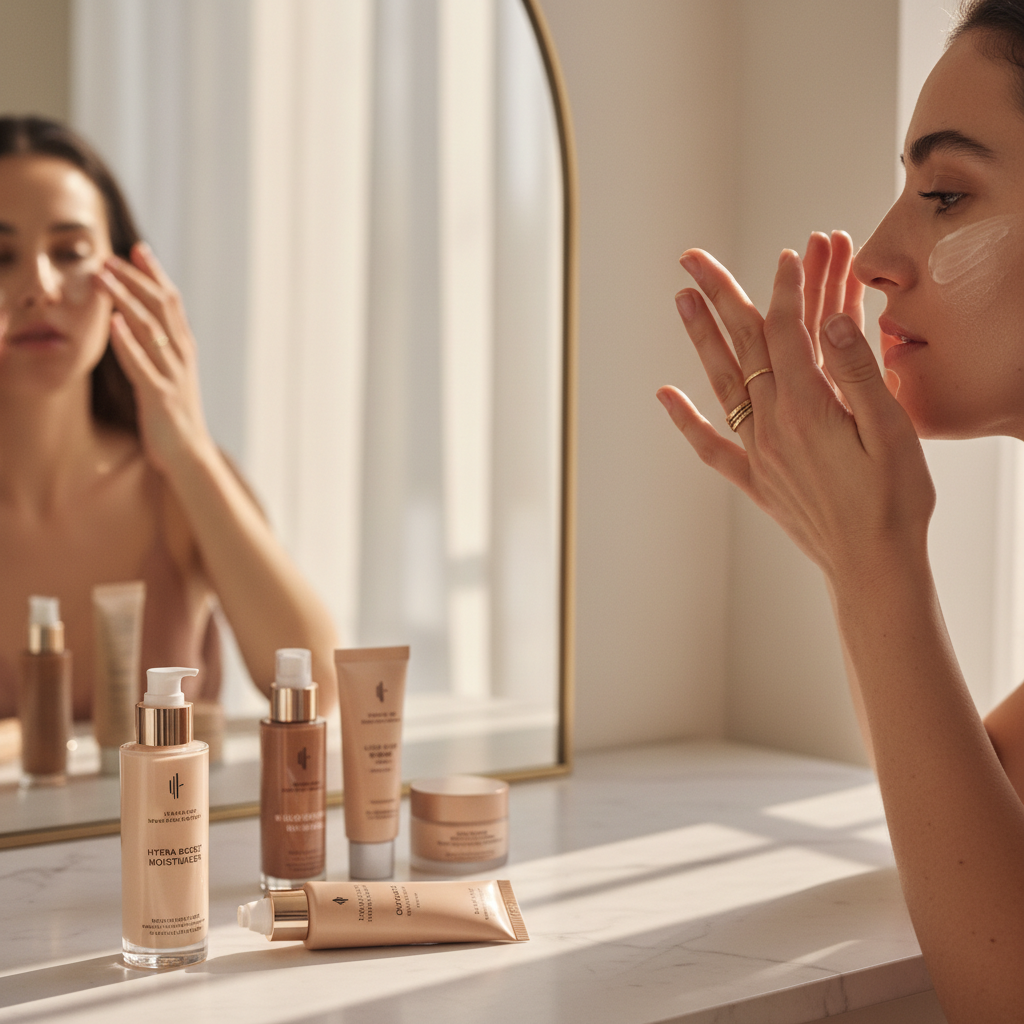
This self-check is practical because it keeps you from buying a third “hydrating full coverage” bottle when the real issue is powder, over-exfoliation, or primer mismatch.
Formula guide: matching full coverage to your comfort level
Instead of a single “best” product for everyone, it’s more reliable to pick a formula family that fits your day-to-day. Here’s a quick comparison you can screenshot mentally.
| Type | Why dry skin likes it | Watch-outs | Best for |
|---|---|---|---|
| Hydrating liquid (satin) | Even spread, flexible wear, easy to build | Can transfer if you skip smart setting | Most dry skin + full coverage goals |
| Cream foundation | High pigment, cushiony feel, great for spot coverage | Can look heavy if over-applied, may need lighter set | Very dry skin, mature skin, events |
| Serum foundation (buildable) | Thin layers, skin-like finish, comfortable | Not always true full coverage without concealer | Daily wear, “full coverage but not obvious” |
| Stick foundation | Targeted coverage, easy touch-ups | Drag can lift flakes, needs warm-up/blend | Spot coverage, on-the-go |
| Powder foundation | Fast, low transfer | Often emphasizes dryness unless skin is well-prepped | Only mildly dry, humid climates |
If you’re hunting the best foundation for dry skin full coverage specifically for photos or long events, creams and hydrating liquids tend to give you the most “forgiving” finish, especially when applied in thin layers.
How to prep dry skin so full coverage looks smooth
This is the part people rush, then blame the bottle. Prep doesn’t need ten steps, but it needs the right order and a little patience.
A simple prep routine that usually works
- Gentle cleanse, avoid hot water and harsh foaming cleansers right before makeup if you’re already dry.
- Hydrating layer, a basic toner/essence or light hydrating serum can help if your skin drinks it up.
- Moisturizer that seals, aim for comfort, not greasiness, give it a few minutes to settle.
- Primer only where needed, hydrating primer on dry zones, pore-blurring only on areas that truly need it.
According to the National Eczema Association, fragrance and certain irritants can trigger dryness or sensitivity for some people, so if your skin is reactive, going simpler and fragrance-free often reduces “mystery flaking.”
Application: get full coverage without the cakey look
Full coverage looks best on dry skin when you build strategically, not when you paint one thick layer and hope it levels out.
Step-by-step technique
- Start with less than you think, one pump can be too much for many full-coverage formulas.
- Press, don’t rub, a damp sponge or a dense but soft brush helps deposit product without lifting dry patches.
- Work in thin layers, let the first layer sit for a minute, then add only where coverage is needed.
- Spot-conceal last, use concealer on redness or discoloration instead of stacking foundation everywhere.
Key point: If you see texture immediately, don’t keep blending harder. Pause, tap a tiny bit of moisturizer on the dry spot, then lightly press foundation back over it.
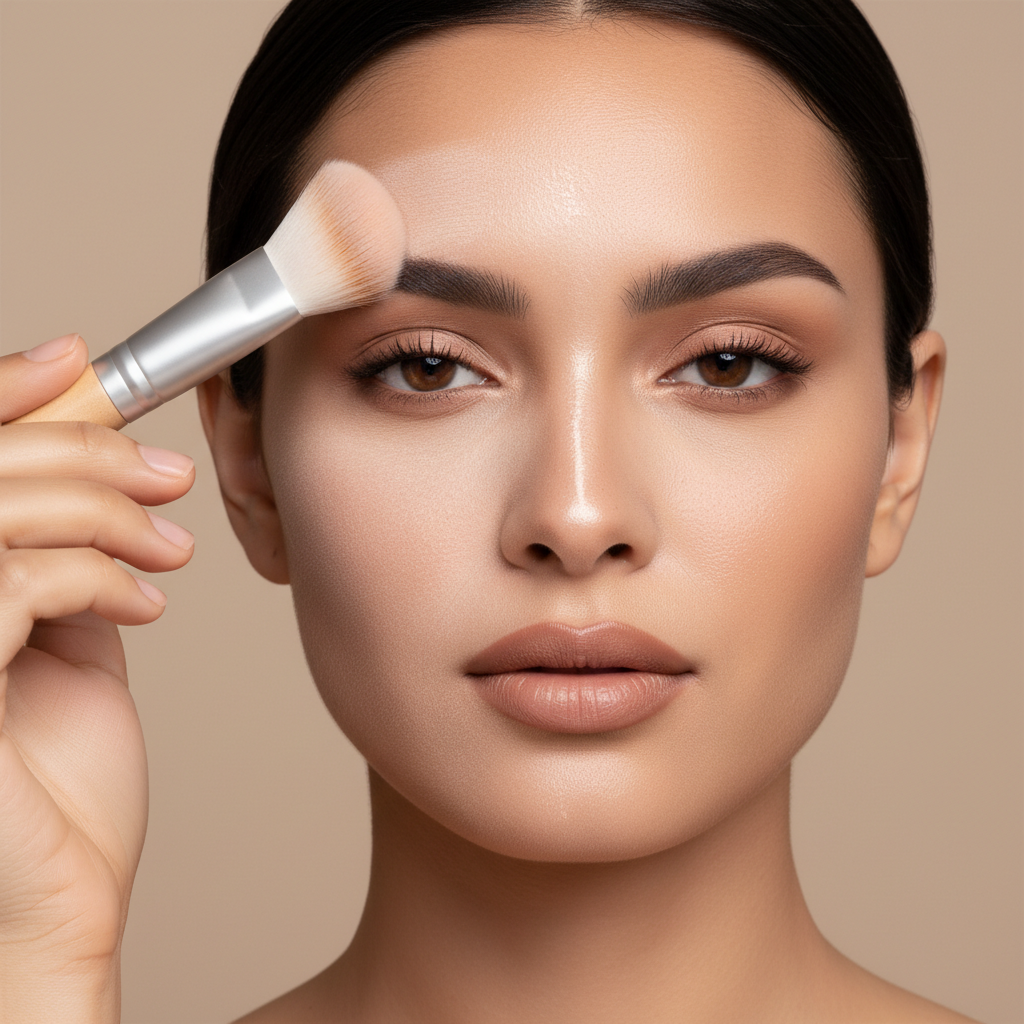
And yes, tools matter, but pressure matters more. The gentler your application, the less your base fights your skin.
Setting and longevity: make it last without drying out
Setting is where many dry-skin routines go sideways. You want strategic hold, not a powder blanket.
- Powder only where you get shiny, often the T-zone, sides of nose, maybe chin, leave cheeks alone if they’re dry.
- Use a finely milled powder, it tends to melt in better than heavier, talc-forward powders, though formulas vary.
- Setting spray as a finisher, a hydrating or “natural finish” spray can reduce that powdered look and improve comfort.
- Blot, don’t add more makeup, if you separate mid-day, gently blot then tap a small amount of product only where needed.
If transfer is your biggest issue, try letting your base set for a few minutes before powder, then use a light hand. Too much powder can actually make dry areas break up faster.
Common mistakes that make dry skin look drier
- Over-exfoliating right before makeup, smooth skin feels nice, but overdoing it often triggers visible peeling under foundation.
- Using a gripping primer everywhere, great for oil control, not always great for comfort across dry cheeks.
- Chasing coverage with more layers, build where needed, keep the rest thin so your face still looks like skin.
- Baking under the eyes, that trend can emphasize fine lines and dryness, especially with full-coverage concealer.
- Skipping shade/undertone testing, wrong undertone can look “off” and make you over-apply trying to fix it.
When people tell me a full-coverage base “oxidizes” or “looks gray,” it’s often undertone mismatch or the wrong powder, not the foundation being universally bad.
When it’s time to get extra help
If dryness is persistent, painful, itchy, or you see cracking and burning, a foundation change won’t solve the core issue. That pattern can overlap with eczema, allergic reactions, or a compromised barrier, and it’s reasonable to consult a dermatologist for guidance.
Also, if every base stings or makes you red, consider simplifying to fragrance-free skincare and a gentle formula, then reintroduce products one at a time, it’s slower, but it’s often the fastest way to find the real trigger.
Conclusion: your easiest path to a smooth full-coverage finish
Finding the best foundation for dry skin full coverage is less about hunting a unicorn bottle and more about matching a hydrating, flexible formula with calm prep and a lighter setting hand. If you do three things this week, make them these: switch to a satin or cream-leaning base, apply in thin pressed layers, and powder only where you truly need it.
If you want a simple next step, take your current foundation and test it with two changes: a more nourishing moisturizer underneath and half the powder you normally use, a lot of “bad foundation” days improve immediately with that alone.