
The best winter coats for women warm enough for real winter are usually the ones that match your climate, your activity level, and the way you actually commute, not just the coat that looks puffiest online.
If you have ever bought a “warm” coat that still left your thighs cold at the bus stop, or one that felt like a sleeping bag the moment you stepped indoors, you already know the problem: warmth is a system. Insulation, wind resistance, fit, and length all matter, and one weak link can make a pricey coat feel disappointing.

This guide helps you choose confidently without overbuying. You will get a quick warmth cheat sheet, a practical self-check list, a comparison table, and picks by scenario, from city commuting to weekend snow trips.
What actually makes a women’s winter coat “warm”
Warmth is not one feature, it is a stack of choices. Most shoppers focus on fill power or the word “puffer,” but the everyday difference usually comes from blocking wind, sealing openings, and covering more of your body.
- Insulation type: down, synthetic, or a blend. Down tends to feel warmer for its weight, synthetic can handle damp weather better.
- Shell fabric: tightly woven shells cut wind, and water-resistant finishes help in wet snow or freezing rain.
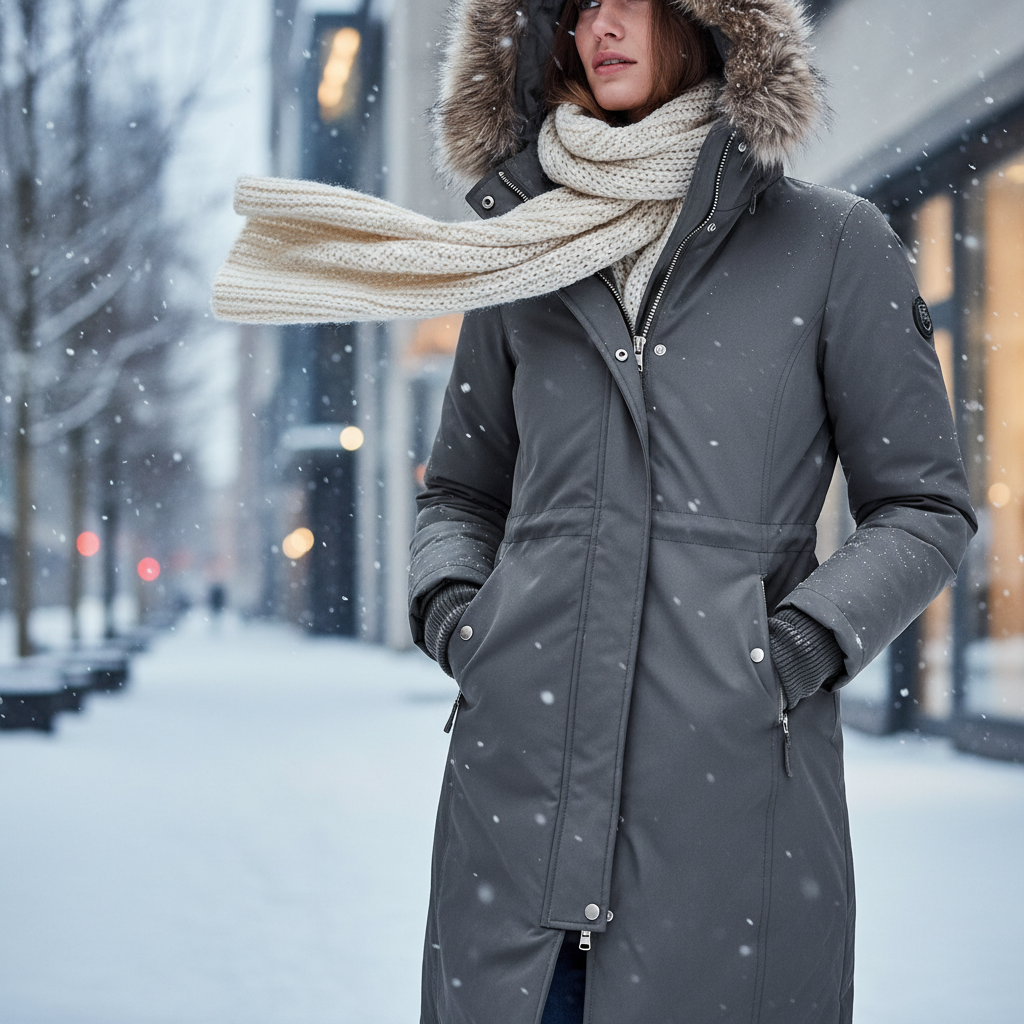
- Length: a mid-thigh or knee-length coat often feels warmer than a short jacket even with similar insulation.
- Fit and seal: drafty cuffs, a loose hem, or a collar that gaps can leak heat fast.
- Hood and neck coverage: a well-shaped hood and a higher collar can reduce the need to “over-insulate” the whole coat.
According to NOAA, wind chill can make cold conditions feel significantly colder, which is why a wind-resistant shell often matters as much as insulation on blustery days.
Down vs. synthetic insulation: which is better for your winter
This is where people get stuck. Down is not automatically “best,” and synthetic is not automatically “cheap.” It depends on your weather and how you use the coat.
When down tends to make sense
- You want high warmth without bulk for commuting or travel.
- Your winter is mostly dry cold, or you do not spend long periods in wet snow.
- You care about packability for trips.
When synthetic often wins
- You deal with damp cold, slush, coastal weather, or frequent wet snow.
- You run warm and want steady insulation that is less “spiky” when moving indoors and outdoors.
- You want easier care and less worry if the coat gets soaked.
According to the FTC, down labeling rules help consumers understand what a “down” product contains, so checking the tag for down percentage and feather content is worth the 10 seconds.
Quick comparison table: pick a coat style that matches your life
Most shoppers do better choosing by scenario first, then by brand. Here is a practical starting point.
| Use case | Best coat type | What to look for | Common mistake |
|---|---|---|---|
| City commuting, windy streets | Mid-thigh parka or long puffer | Windproof shell, hood, 2-way zipper | Buying a short jacket that rides up |
| Wet snow, slush, rain-snow mix | Synthetic insulated parka | Water-resistant shell, taped seams (nice), storm cuffs | Choosing delicate fabric that soaks quickly |
| Walking, errands, mild winters | Lightweight puffer or insulated wool blend | Breathability, easy layering | Over-insulating and sweating indoors |
| Travel, packing, airport-to-street | Packable down jacket | Good hood, high collar, compressible design | Ignoring zipper quality and pocket layout |
| Outdoor activities, snow days | Insulated shell system (layering) | Room for base/mid layers, adjustable hem/cuffs | Buying too slim, losing insulation loft |
A quick self-checklist to find your “warm enough” level
If you want the best winter coats for women warm in a way that feels personal, answer these honestly. This prevents the classic “I bought a coat for Chicago but I live in Raleigh” mismatch.
- Your winter low: Do you regularly see temps below 20°F, or is it mostly 30–45°F?
- Wind exposure: Open parking lots, train platforms, lakefront walks, stroller pushing?
- Time outdoors per stretch: 5 minutes door-to-car, or 30 minutes waiting and walking?
- Moisture: Dry cold, or frequent wet snow and freezing rain?
- How you run: Always cold hands and feet, or you heat up fast once moving?
- Layering tolerance: Do you like sweaters, or do you want one coat to do it all?
Key point: If you spend longer outside and hate layering, prioritize length, hood coverage, and wind blocking before chasing the highest insulation number.
How to choose the right coat: step-by-step (no guesswork)
Shopping gets easier when you run a short process. You do not need technical specs for everything, but you do need a few “non-negotiables.”
Step 1: Start with length and hem control
For many people, mid-thigh is the sweet spot: warm, still easy to walk in, and not as overwhelming indoors as full length. If you freeze easily, a knee-length option can feel like a cheat code.
Step 2: Check the seal points
- Cuffs: rib-knit or storm cuffs reduce drafts.
- Collar: a higher collar helps on windy days.
- Hem: drawcords or inner gaiters can make a noticeable difference.
Step 3: Decide on moisture strategy
If your winter is wet, prioritize shell and insulation that tolerates moisture. A water-resistant shell plus synthetic insulation often feels more consistent in sleet and slush.
Step 4: Fit it the way you will wear it
Try the coat with your “real life” mid-layer. A coat that is too tight compresses insulation and can feel colder even if it is technically “warmer.”
Warm coat picks by scenario (what to buy, not just what to read)
These are categories rather than brand calls, because what is “best” varies by budget and fit. Use this as a shopping filter.
If you want one coat for daily winter commuting
- Mid-thigh insulated parka
- Wind-resistant shell, insulated hood, two-way zipper
- Hand pockets that sit high enough to feel natural while walking
If you live in a wet, messy winter climate
- Synthetic insulated parka with a tougher face fabric
- Water-resistant zipper placket, storm cuffs, generous hood
- Interior pocket for phone, because wet gloves happen
If you want warmth without the “marshmallow” look
- Quilted coat with shaping, or insulated wool-blend coat with hidden wind panel
- Look for a lining that feels substantial and a collar that closes well
If you travel and need packable warmth
- Packable down jacket or mid-length puffer
- Strong zipper, good hood geometry, comfortable chin guard
Practical tips that make any warm coat feel warmer
Even the best winter coats for women warm can disappoint if the rest of the setup fights it. These are small changes, but they show up fast in comfort.
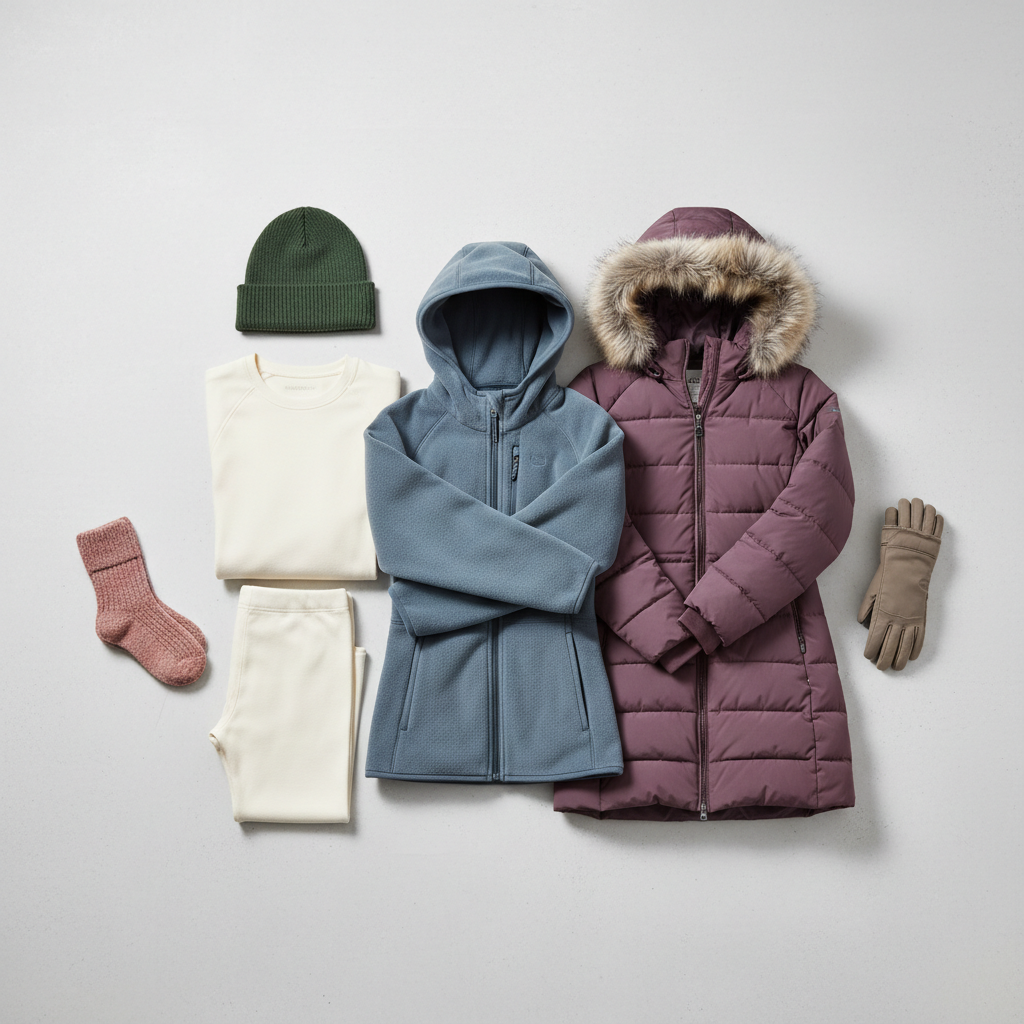
- Prioritize neck and wrists: a scarf and gloves often beat upgrading insulation.
- Use smart layering: a thin thermal base plus a mid-layer traps air better than one chunky sweater.
- Don’t ignore legs: warm socks and insulated boots change how cold your whole body feels.
- Vent indoors: two-way zippers and pit zips (if present) help avoid sweat, which can make you feel colder later.
According to the CDC, staying dry and protected from wind is important in cold conditions, and if you are worried about cold stress or have health conditions, it is smart to consult a medical professional.
Common mistakes to avoid (what wastes money)
- Buying too small “for a sleek look”: compression reduces warmth, and you end up colder than expected.
- Ignoring your commute: a coat that works for short walks may fail for transit platforms and windy blocks.
- Over-indexing on fill numbers: a drafty coat with great insulation still feels cold.
- Skipping hood quality: a floppy hood that blows off your head is basically decoration.
- Assuming waterproof equals warm: shells block water, insulation provides warmth, you usually need both.
Conclusion: a warm coat is the one that matches your winter
The “right” warm coat usually looks boring on paper: good length, solid wind protection, comfortable fit, and insulation that matches your weather. Get those pieces right and you stop thinking about your coat, which is the real win.
If you want an easy next step, pick your main scenario from the table, write down three non-negotiables such as length, hood, and moisture handling, then try on two sizes with the layers you actually wear.