
How to layer for fall fashion easy really comes down to two things: controlling temperature swings and keeping your outfit lines clean, so you feel comfortable without looking bulky or “overdressed for 2 pm.”
Fall is tricky because your day can start cold, warm up fast, then cool off again, and the wrong combo makes you either sweaty indoors or freezing outside. The good news is you don’t need a huge closet, you need a repeatable system.
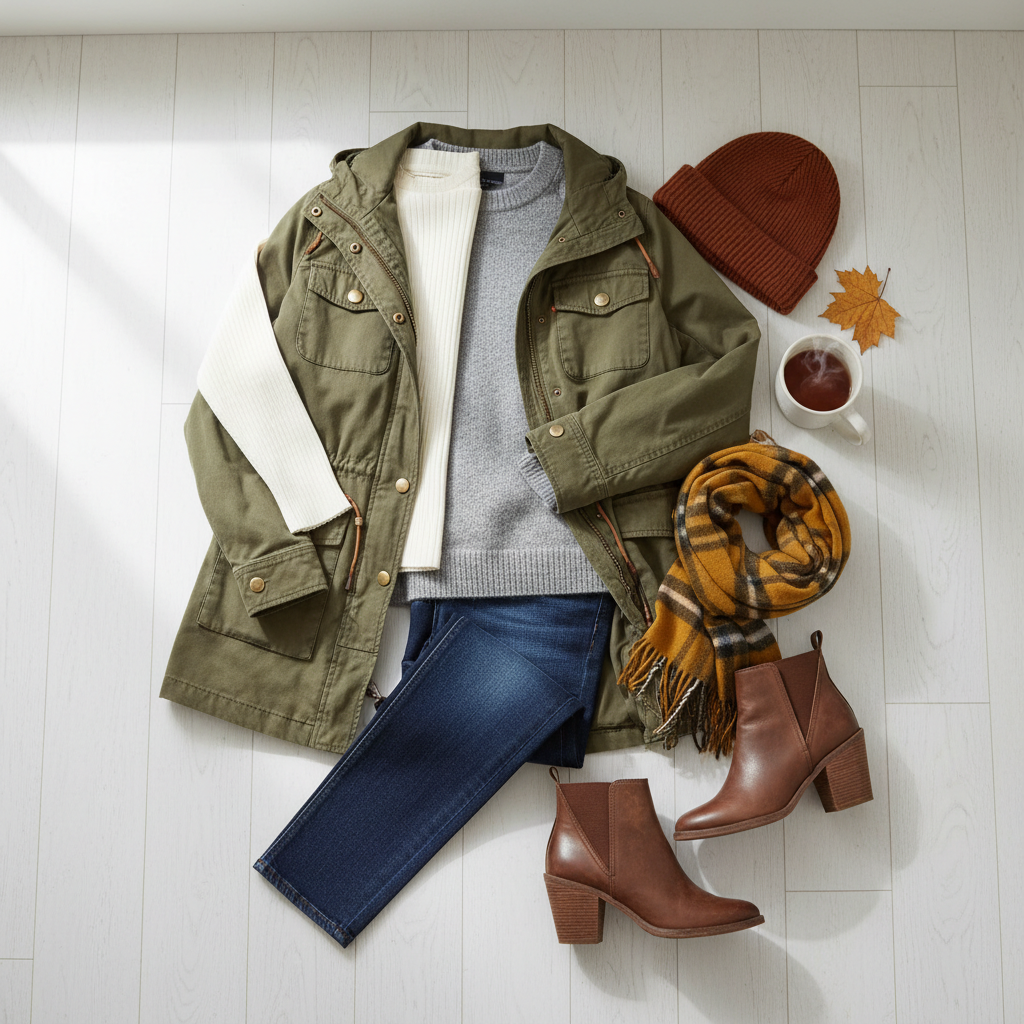
What trips most people up is thinking layering means “more clothes.” In practice, it’s about thin-to-medium layers, the right fabrics, and smart outerwear choices so you can add or subtract without messing up the look.
Below you’ll get a clear layering formula, a quick self-check to pick the right weights, a table of easy combos, and a few common mistakes that make outfits feel frumpy even when the pieces are nice.
Build the “3-Layer” Fall Formula (Without Feeling Bulky)
If you want how to layer for fall fashion easy, stick to a simple structure most days: base layer + mid layer + outer layer. You can stop at two layers when the weather stays mild.
- Base layer (next to skin): breathable, comfortable, usually fitted. Think tee, long-sleeve tee, thin turtleneck, bodysuit.
- Mid layer (warmth + style): sweater, cardigan, flannel, light knit, sweatshirt that looks intentional.
- Outer layer (weather + shape): denim jacket, trench, leather jacket, quilted jacket, blazer, light puffer.
One practical rule: if two items are loose, make the third more streamlined, so the silhouette stays clean.
Choose Fabrics That Work Together (It Matters More Than Brands)
Fabric choices decide whether layers slide smoothly or bunch up. They also decide whether you can stay comfortable in a heated office, a chilly commute, and a windy evening.
According to NOAA, many U.S. regions see significant day-to-night temperature changes in fall, so breathable layers that vent heat are often more comfortable than one heavy piece.
- Great for base layers: cotton blends, modal, lightweight merino, rib knits.
- Great for mid layers: merino or cotton sweaters, fleece (more casual), flannel shirts, knit polos.
- Great for outer layers: denim, leather or faux leather, nylon quilted jackets, wool blends for colder days.
A small but real upgrade: pick at least one layer with a smoother surface, like a thin tee under a knit, so you can move without tugging.
Quick Self-Check: What Kind of Fall Day Are You Dressing For?
Before you get dressed, decide what problem you’re solving. Many “layering fails” happen because the outfit matches the morning, not the whole day.
- Mostly outdoors (walking, errands, commuting): prioritize an outer layer that blocks wind and light rain.
- Mostly indoors (office, classes): prioritize a breathable base and an easy-to-remove third piece.
- Driving a lot: skip bulky coats, choose a warm mid layer and a lighter jacket.
- Early fall vs late fall: early fall needs lighter layers you can stash, late fall needs warmer mid layers plus a real coat.
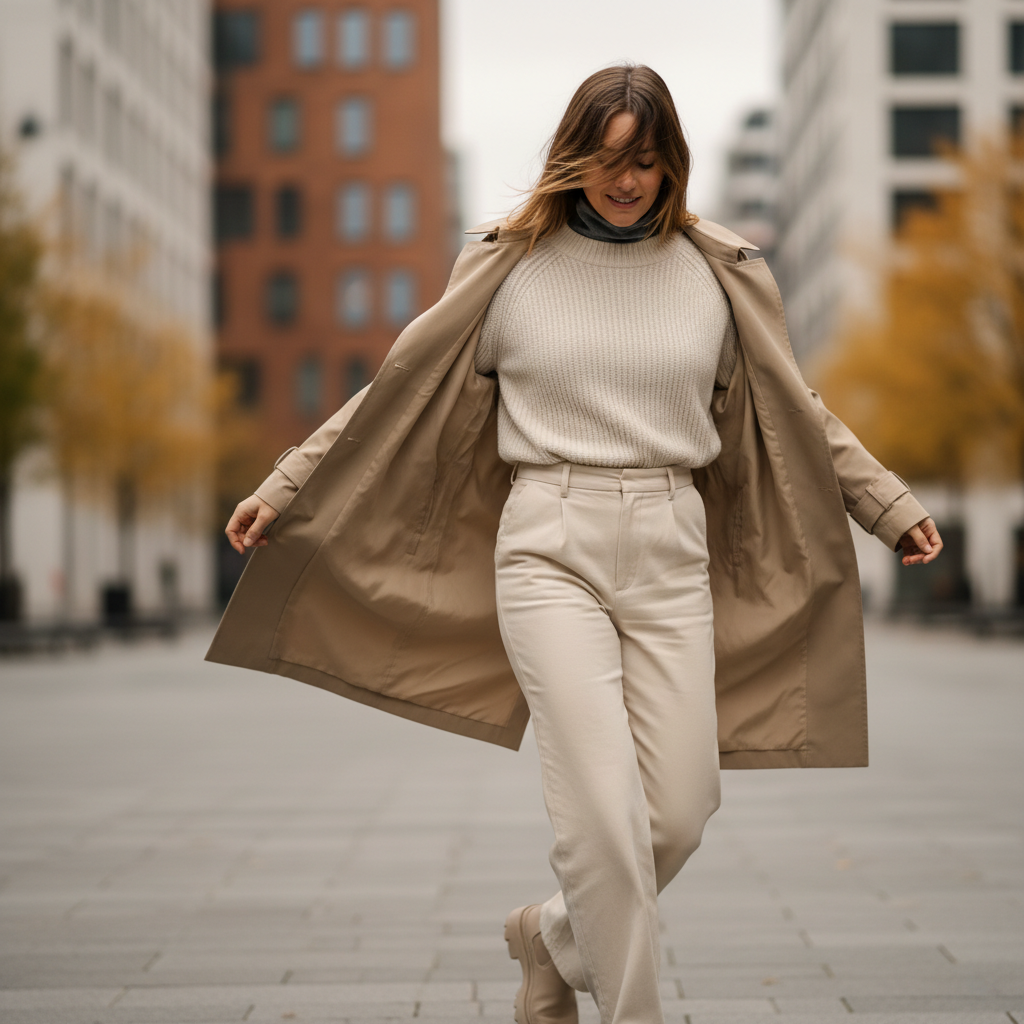
If you’re unsure, dress for the coldest part of your day, then make sure at least one piece can come off without leaving you “too bare,” like a tank under a cardigan in a cold office. For how to layer for fall fashion easy, that flexibility is the point.
Easy Outfit Formulas You Can Repeat (With a Table)
Repeating formulas is how stylish people look “effortless.” They’re not reinventing outfits daily, they’re rotating a few combos with different colors and textures.
Layering combinations by vibe and temperature
| Situation | Base | Mid | Outer | Shoes |
|---|---|---|---|---|
| Early fall casual | Fitted tee | Open cardigan | Denim jacket | Sneakers or loafers |
| Office-friendly | Thin knit top | Fine-gauge sweater | Blazer | Loafers or ankle boots |
| Chilly morning commute | Long-sleeve tee | Chunkier sweater | Light puffer | Boots |
| Weekend errands | Base tee | Flannel shirt | Quilted jacket | Comfortable sneakers |
| Date night | Ribbed top | Soft knit | Leather jacket | Heeled boots |
Notice what’s missing: there’s no requirement for five layers. When you keep the base streamlined, you can swap the mid or outer and the whole vibe changes.
The “Capsule” Layering Checklist (What You Actually Need)
If your goal is how to layer for fall fashion easy without shopping a ton, a small set of layer-friendly staples goes far. This list covers most casual-to-smart-casual needs in the U.S.
- 2-3 base tops: tee, long-sleeve, thin turtleneck or mock neck
- 2 mid layers: one lightweight sweater, one warmer knit or cardigan
- 2 outer layers: a structured option (blazer/trench) and a casual option (denim/quilted/light puffer)
- 1-2 bottom options: straight-leg jeans, trousers, or a midi skirt with tights
- Accessories: scarf, belt, socks that look good when they peek out of boots
Key point: try to keep most pieces within a tight color palette, then add one accent color you love. Matching becomes almost automatic.
Step-by-Step: How to Layer Without Looking Messy
This is the part people skip. The pieces are fine, but the outfit feels “off.” Usually it’s length, proportions, or too much fabric fighting at the waist.
1) Start fitted at the base
A slimmer base reduces bunching and keeps you warm because it sits close to the body. If you prefer relaxed tops, keep the base at least smooth, like a tee without heavy seams.
2) Pick one “hero” layer
Choose the piece you want to lead: a blazer, a leather jacket, a chunky cardigan, or even a statement scarf. Then keep the other layers quieter.
3) Control the lengths
- Short jacket + longer mid layer can work, but make it intentional.
- If everything hits at the same spot, it can look boxy.
- When in doubt, let one layer be slightly longer, not three.
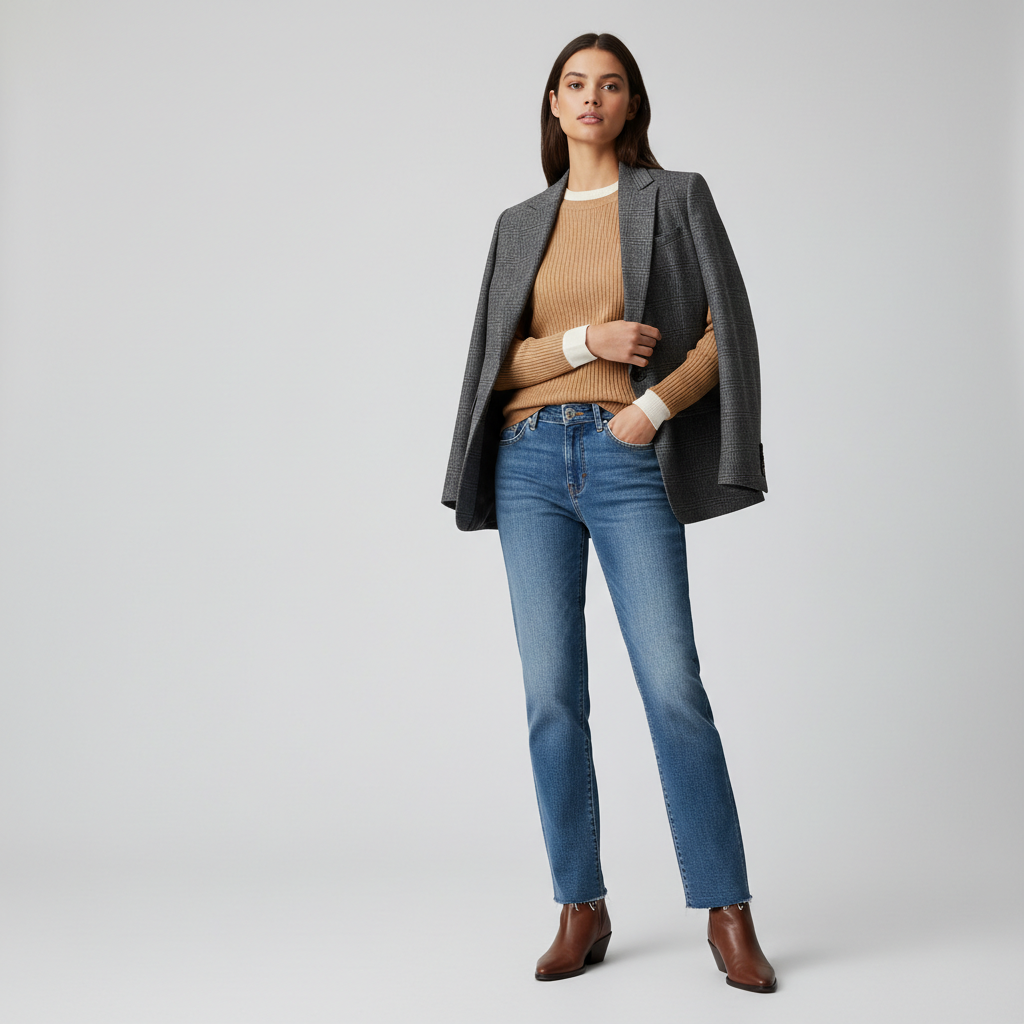
4) Use one tuck, not five adjustments
A partial tuck or full tuck can define the waist and stop the outfit from looking like a stack of fabric. If the mid layer is bulky, skip tucking it and instead tuck the base.
5) Finish with a practical detail
Boot socks that show a little, a belt, or a scarf can make an outfit feel “done,” and it also gives you temperature control without changing clothes.
Common Mistakes That Make Layering Hard (And How to Fix Them)
Most fall outfits don’t fail because someone lacks style, they fail because a small choice creates discomfort, and discomfort makes you fidget all day.
- Too many thick layers: swap one bulky piece for a warmer fabric (like lightweight wool) and keep the rest thinner.
- Everything oversized: keep at least one layer fitted or structured, often the base or blazer.
- Wrong outerwear for the day: if you’ll be inside, pick an outer layer that looks good carried or draped over a chair.
- Scratchy knits: add a smoother base layer to reduce irritation; if sensitivity persists, you might prefer cotton or consult a professional for skin concerns.
- No plan for rain/wind: keep a packable water-resistant layer handy in unpredictable weather.
Key takeaway: “easy” layering usually means fewer, smarter pieces, not more.
When It’s Worth Getting Professional Help (Tailoring, Styling, or Fabric Advice)
If you keep trying how to layer for fall fashion easy and it still feels wrong, the issue might be fit, not you. A small alteration can change how layers sit at the shoulders and waist, which is where bulk tends to show.
- Tailoring: consider it when blazers or coats pull at the back or sleeves swallow your hands.
- Personal styling: helpful if you want a small capsule that matches your work dress code and lifestyle.
- Fabric/skin sensitivity: if certain materials trigger irritation, it may help to talk with a dermatologist or qualified professional.
You don’t need a full closet overhaul; many people only need 2–3 pieces adjusted or replaced to make layering feel natural.
Conclusion: A Simple Way to Make Fall Outfits Feel Effortless
How to layer for fall fashion easy is less about chasing trends and more about having a repeatable system: a breathable base, a warming mid layer, and an outer layer that matches your day. Once your fabrics and proportions cooperate, you stop second-guessing and start rotating outfits that just work.
Pick one layering formula from the table to try this week, then build a mini capsule around it. If you want a fast win, start by upgrading your base layers, they quietly fix a lot of comfort issues while making everything on top look better.