
men no show socks low cut are the fix when you want the sock to disappear but still need comfort, sweat control, and a bit of protection from shoe rubbing.
That sounds simple, yet most guys buy one pair, they slide off the heel by lunch, bunch under the arch, or show a thin line above the shoe, and then the whole “invisible” idea feels like a scam.
This guide breaks down what actually makes no-show socks work, how to pick the right cut for your shoe, and what to do if you keep getting heel slip, hot spots, or odor. You’ll also get a quick comparison table and a simple “buying checklist” you can use in two minutes.
What “low cut invisible” really means (and why some pairs fail)
In the US market, “no show,” “invisible,” and “low cut” often get used interchangeably, but the actual sock shape varies a lot. That’s why one pair can feel perfect in sneakers and terrible in loafers.
Most failures come from three design gaps, not from your feet being “hard to fit.”
- Opening shape vs. shoe opening: A wide loafer vamp needs a deeper U-shape, while a sneaker can hide a slightly higher line.
- Heel grip design: Silicone strips and heel pockets prevent slip, but only if the pocket matches your heel curve.
- Fabric recovery: If the knit loses elasticity, the sock creeps down, even if it felt snug out of the package.
According to the American Podiatric Medical Association (APMA), moisture and friction can contribute to common foot issues, so socks that manage sweat and reduce rubbing are not just “style accessories.”
Quick self-check: which no-show problem are you dealing with?
Before you shop again, figure out what’s actually going wrong. Different problems need different fixes, and guessing usually leads to another drawer of regrets.
- Heel slip: Sock slides into the shoe, heel gets exposed, you feel fabric underfoot.
- Peeking: Sock edge shows above the shoe line when standing or walking.
- Toe pinch: Tight toe seam or short forefoot coverage, especially in narrow shoes.
- Hot spots / blisters: Friction at heel or sidewall, often from thin fabric + movement.
- Sweat and odor: Damp feel after a few hours, shoes smell faster.
If you hit two or more items, prioritize fit and grip first, then fabric. A “premium” material won’t save a sock that won’t stay on.
Choosing the right pair by shoe type (this matters more than brand)
men no show socks low cut work best when the cut matches the shoe opening. Here’s a practical way to think about it, without overcomplicating your cart.
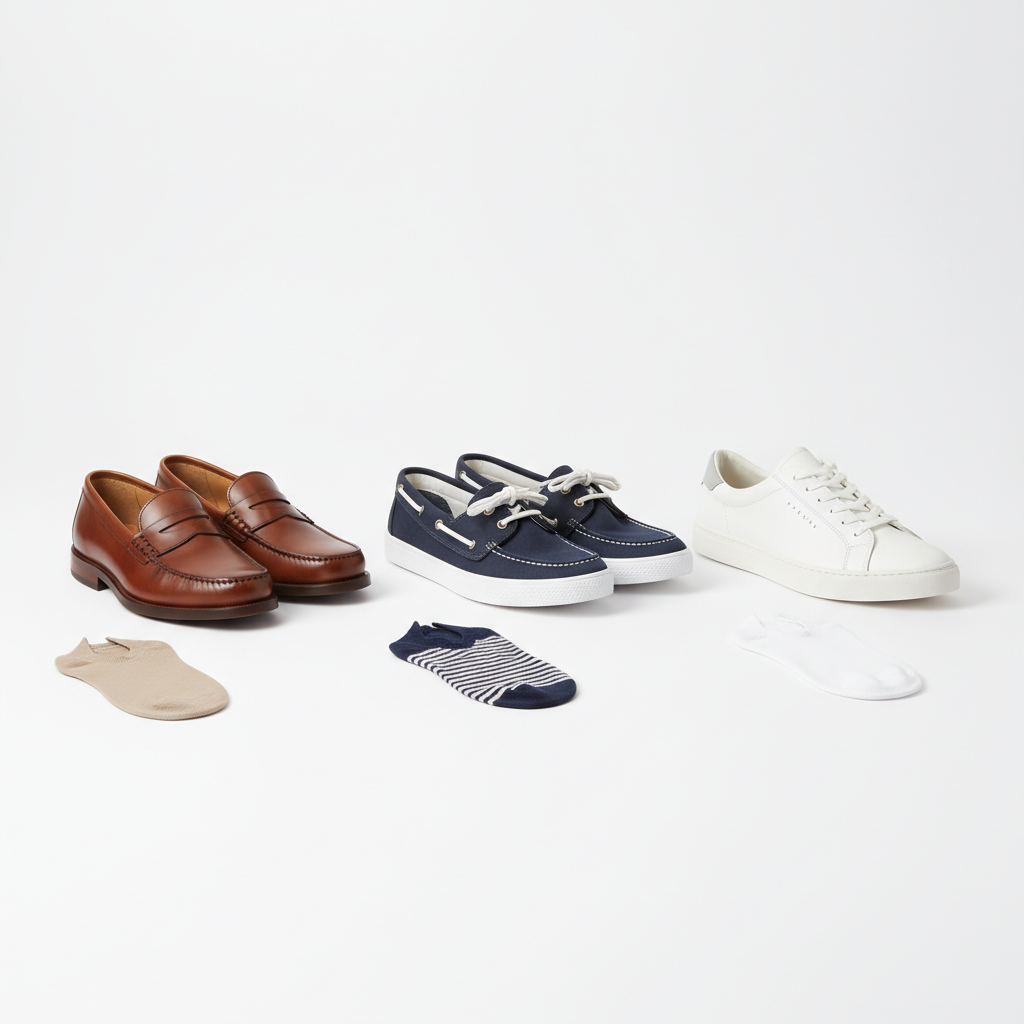
Loafers and dress-casual slip-ons
Look for an “ultra-low” or “loafer” cut with a deeper U opening, plus a substantial heel pocket. Thin, flat patterns tend to slide in these shoes.
- Best features: wide opening, strong heel cup, silicone grip
- Watch out for: “one cut fits all” multipacks labeled for both loafers and sneakers
Boat shoes
Boat shoes often have more interior movement and can run warmer. You usually want a slightly thicker sole panel and good moisture control.
- Best features: terry or reinforced sole, breathable top knit
- Watch out for: very slick fabrics that move around when your foot sweats
Low-top sneakers
Sneakers are the most forgiving, but also where “peeking” gets noticed with shorts. A “true no-show sneaker” cut is usually safe.
- Best features: balanced coverage, arch band, heel grip
- Watch out for: socks that feel fine standing still but slip once you walk faster
Running or training shoes
If you train in them, consider whether no-show is worth it. Many performance socks sit slightly higher to reduce rubbing. If you still want invisible, prioritize friction control and fit.
According to the American Academy of Dermatology Association (AAD), friction and moisture can contribute to skin irritation, so if you’re getting blisters often, a different sock height may be the smarter move.
Material and construction: what to look for (and what’s mostly marketing)
Fabric matters, but it’s not just “cotton vs. not cotton.” In real wear, knit structure and how the sock holds shape often decide whether it stays invisible.
- Cotton blends: Soft and familiar, but can hold moisture in many situations. Better when blended with synthetics for stretch.
- Merino blends: Often better at odor management and comfort across temperatures, though durability varies by knit and weight.
- Poly/nylon blends: Common for grip and quick-dry performance, but the feel depends on quality and finishing.
- Elastane/spandex: Not a “feature,” just necessary for recovery. Too little usually means sagging later.
Construction details that tend to matter more than fiber buzzwords:
- Heel pocket depth: A shaped heel sits and stays better than a flat seam.
- Silicone placement: A wide strip can help, but multiple smaller grips sometimes hold without feeling sticky.
- Arch band: Light compression under the arch can reduce bunching.
- Seam comfort: A smoother toe seam helps in tight shoes.
Comparison table: pick your no-show sock spec in 30 seconds
If you don’t want to overthink it, use this table to match your situation to common specs. It’s not a universal rule, but it’s a strong starting point.
| Use case | Cut/shape to prefer | Grip & fit features | Fabric direction |
|---|---|---|---|
| Loafers, dress-casual | Ultra-low, deep U opening | Deep heel pocket, strong silicone | Smoother knit, medium thickness |
| Boat shoes | Low cut with wider sides | Arch band, heel grip | Breathable top, reinforced sole |
| Low-top sneakers | Sneaker no-show | Heel grip, elastic opening | Balanced cotton/synthetic blend |
| Hot climate / sweaty feet | Depends on shoe opening | Secure heel pocket (movement gets worse when damp) | Quick-dry synthetics or merino blend |
| Wide feet | Wider forefoot pattern | Less aggressive opening elastic | Stretch blend with good recovery |
How to stop no-show socks from slipping (practical fixes that actually work)
men no show socks low cut slipping usually comes from a mismatch between sock opening tension, heel pocket shape, and your shoe’s interior lining. You can improve results without buying ten more packs.
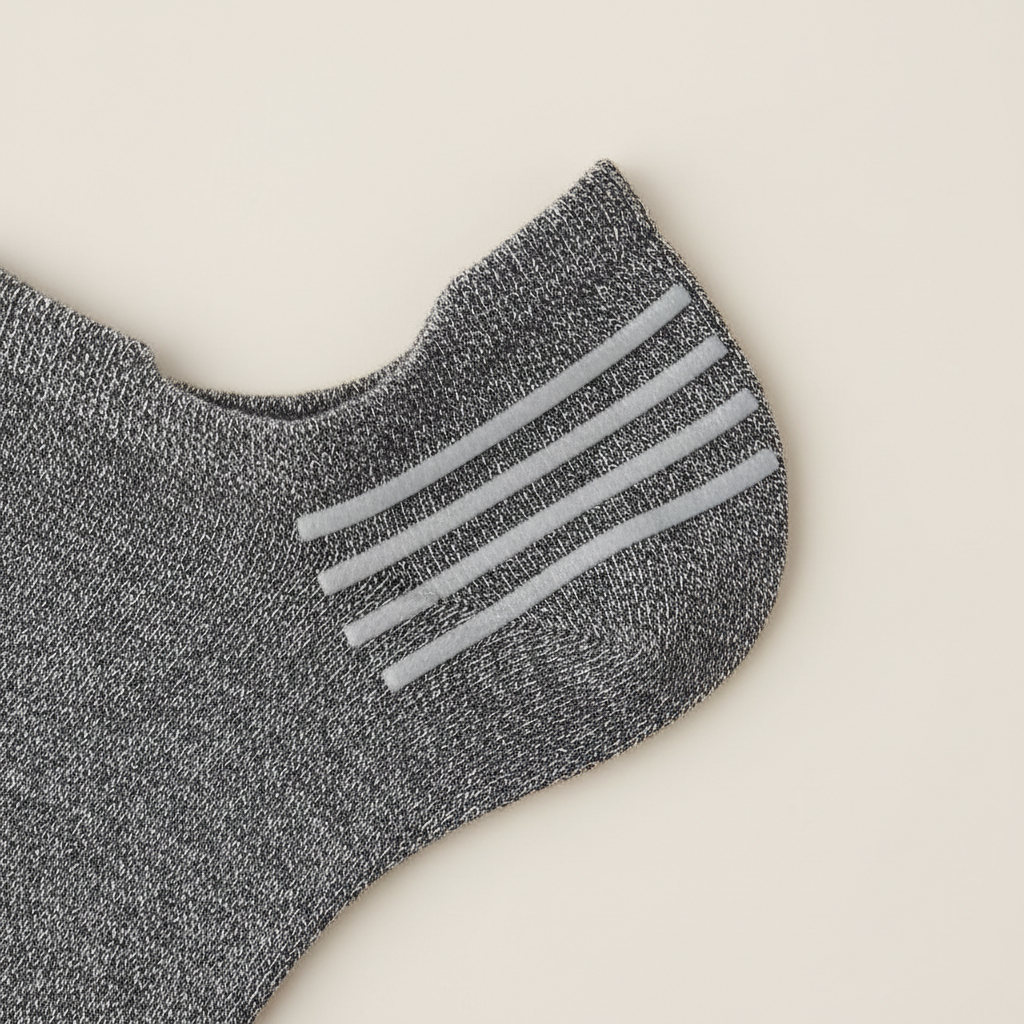
- Match the sock to the shoe: Loafer-cut socks in loafers, sneaker-cut socks in sneakers. Mixing cuts is the #1 reason for slip.
- Size down only if you’re between sizes: Too small can pull the heel pocket forward and start the “crawl down” cycle.
- Rotate pairs: Wearing the same pair repeatedly without rest can reduce elasticity faster.
- Skip fabric softener: It can coat fibers and reduce grip, especially on silicone areas. Many care labels recommend avoiding it.
- Try a shoe insole only if the shoe is roomy: A slightly grippier insole can reduce movement, but it can also make shoes tighter.
One more small thing people miss: if your shoes are half a size too big, no-show socks will “take the blame” for extra movement. Fixing the fit can be cheaper than chasing new socks.
Buying checklist and care tips (to make them last)
If you want fewer returns and fewer “why did I buy these” moments, run through this checklist before checkout.
2-minute buying checklist
- Is the product clearly labeled for your shoe type, not a vague “fits all” promise?
- Do photos show a shaped heel pocket and not just a flat outline?
- Is there a heel grip feature, and does it look wide enough to matter?
- Does the fabric blend include enough stretch fiber for recovery?
- If you hate toe seams, does it mention smooth or hand-linked toes?
Care tips that reduce slip over time
- Wash cold or warm, gentle cycle if possible, then air dry or low heat.
- Turn them inside out to clean the heel grip area better.
- Avoid high heat drying when you can, heat can reduce elasticity faster in many blends.
Common mistakes to avoid (the stuff that wastes money)
- Buying the lowest cut possible for every shoe: Ultra-low is great for loafers, but it can be unstable in some sneakers.
- Ignoring shoe lining: Smooth leather linings can be slippery, so grip features matter more.
- Assuming thicker always means better: Thick can add comfort, but it can also change shoe fit and increase slipping if cramped.
- Wearing no-shows for long walks in unsupportive shoes: If you’re getting rubbing or blisters, a slightly higher sock may be more realistic.
When it’s worth getting professional help
If you notice persistent blisters, skin breakdown, or foot pain that doesn’t improve after changing socks and shoes, it may be time to check in with a podiatrist. That’s especially true if you have diabetes, circulation issues, or neuropathy, where small skin problems can become bigger concerns.
For odor or itching that keeps coming back, a pharmacist or clinician can help you rule out fungal issues and suggest appropriate over-the-counter options. Socks help, but they aren’t a diagnosis.
Conclusion: the easiest way to get “invisible” without the slip
If you want no-shows that stay put, start by matching cut to shoe type, then prioritize a shaped heel pocket and reliable grip, and only after that worry about the fabric story. That order saves time and usually saves money.
Pick one shoe you wear most, buy a single well-matched pair to test, and only then stock up if the fit stays stable through a full day.