
Men watch box storage case decisions usually come down to one thing, do you want pure protection, a clean display, or a bit of both without turning your dresser into clutter.
If you own more than one watch, you already know the pain points, scratches from stacking, straps bending in a drawer, dust building up on a favorite piece, and that low-grade panic when you cannot find the one you meant to wear.
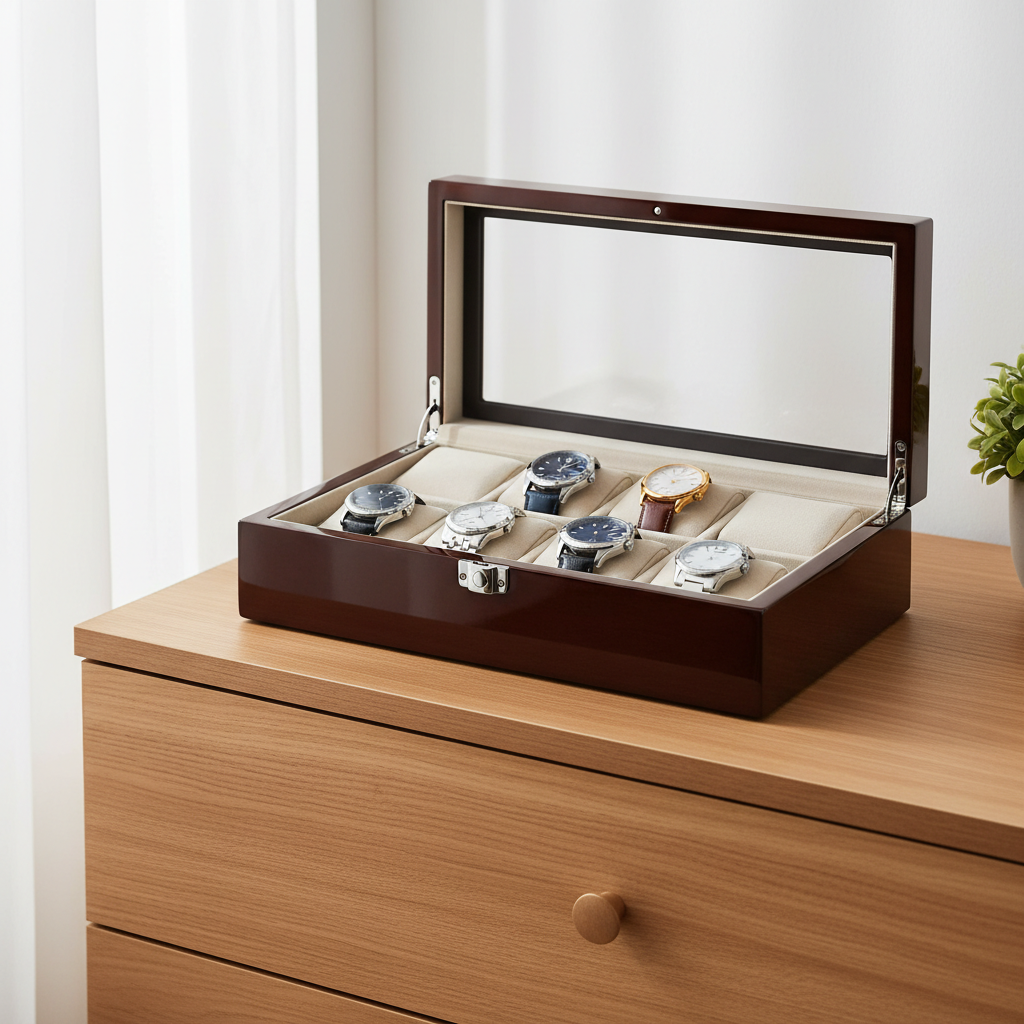
This guide walks through what actually matters when buying a watch box, how to match it to your collection size and habits, plus practical setup tips so your watches stay easy to grab and easier to keep in good shape.
What a watch box really does (and what it does not)
A solid watch box is less about “storage” in the generic sense and more about controlled handling, it reduces friction, impact, dust, and accidental drops when you rotate watches.
- Prevents contact damage, each watch sits on its own cushion so cases and bracelets do not rub.
- Keeps shapes consistent, straps and bracelets hold a natural curve rather than getting flattened in a drawer.
- Creates a rotation system, you see what you own, which sounds obvious, but it stops neglect purchases.
- Adds light security, some boxes include a lock, helpful for casual deterrence, not a safe.
What it does not do, it is not humidity control for high-moisture environments, it is not a fireproof container, and it cannot fix a watch already due for service.
Why men’s watch collections get disorganized in the first place
Most disorganization comes from a mismatch between the box and real life. People buy a nice-looking case, then realize the cushions are too small, the box is too bulky, or the layout ignores how they actually wear watches.
- Wrong capacity planning, buying a 6-slot box when you already own 7 watches, then stacking begins.
- Mixed watch sizes, a chunky diver next to a slim dress watch, one cushion size rarely fits both well.
- No place for tools and straps, spring bars, extra links, and straps end up scattered.
- Display vs protection conflict, glass tops look great but invite light exposure and fingerprints if you open the lid constantly.
According to The American Watchmakers-Clockmakers Institute (AWCI), regular care and proper handling help preserve a timepiece’s condition over time, which is exactly what a well-chosen storage setup supports.
Quick self-check: what kind of watch box do you need?
Before shopping, get honest about your routine. This checklist usually narrows choices fast.
- How many watches do you rotate weekly? If it is 2–3, a smaller display-focused box often works.
- Are your watches mostly bracelets or straps? Bracelets need firmer, wider pillows, straps can tolerate softer cushions.
- Do you travel with watches? Consider a separate travel roll, and keep the home case for display.
- Is your room humid or sunny? You may want a more enclosed case, placed away from direct light.
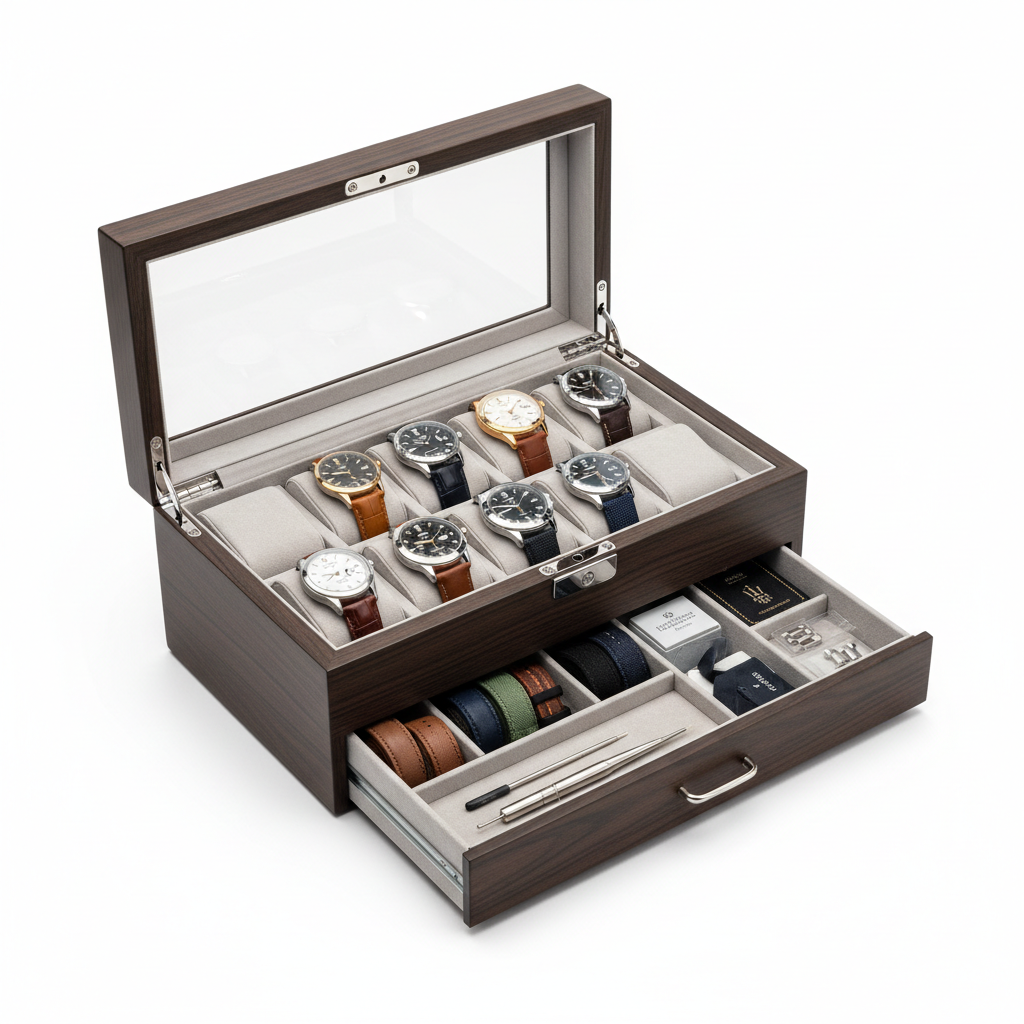
- Do you keep paperwork, straps, tools? Look for a drawer or a two-layer build.
If you answered “yes” to the last two, you are likely shopping for a men watch box storage case with both compartments and a lid that closes tightly.
Materials and build quality: what to prioritize
The “best” material depends on your priorities, but there are a few build details that matter across the board.
Exterior: looks vs durability
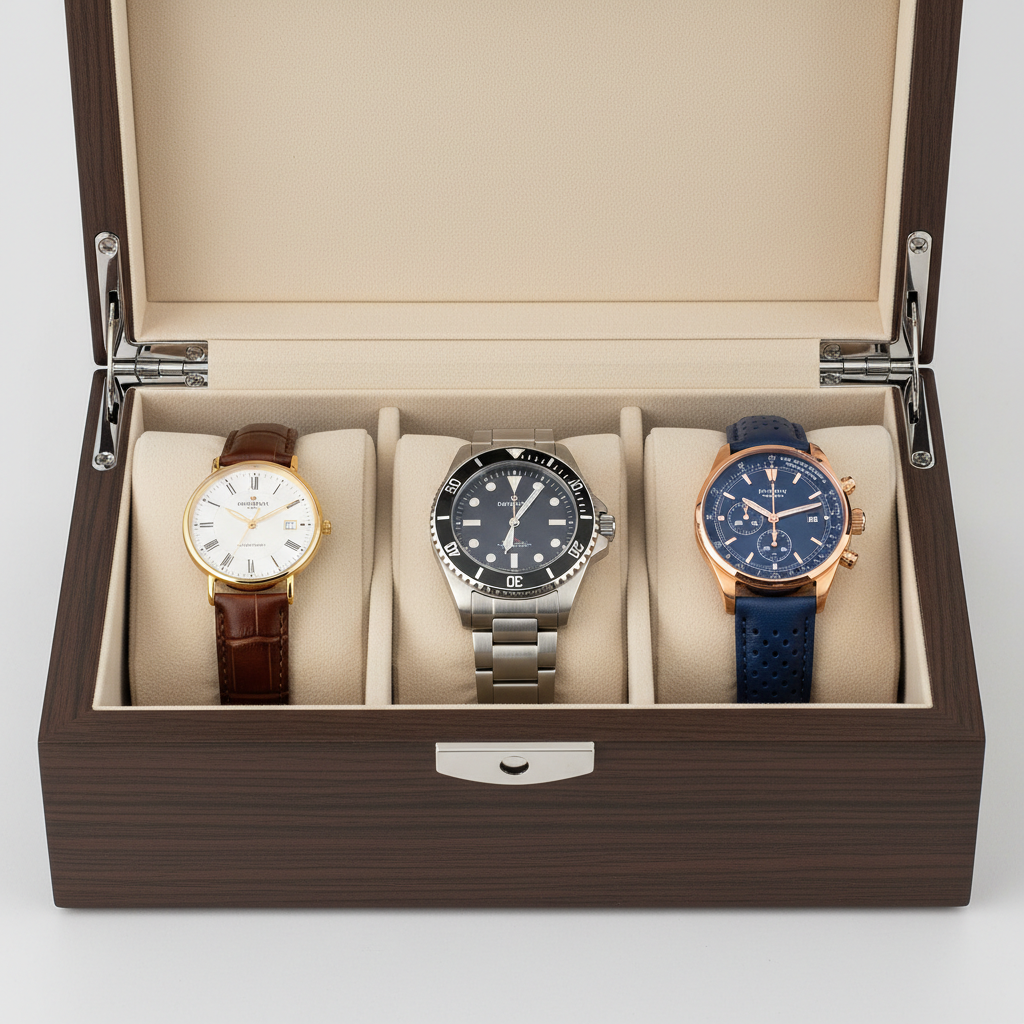
- Wood feels classic, looks great on a dresser, and can hold up well, but corners and hinges should feel sturdy.
- PU leather is common, wipes clean, and usually costs less, quality varies a lot between brands.
- Real leather can age nicely, but you are paying for material and finishing, not always better protection.
- Carbon-fiber style wraps look modern, usually lightweight, often paired with glossy finishes that show fingerprints.
Interior lining: the part that touches your watches
Look for soft microfiber, suede-like lining, or velvet that does not shed. If the lining feels rough, skip it, “soft enough” is not a good gamble for polished cases.
Hardware: hinges, latch, and lid
- Hinges should open smoothly and hold position without wobble.
- Latches should close firmly, especially if you plan to move the box around.
- Glass display lids add visibility, but check for tight fit and minimal lid flex.
Choosing the right size and layout (with a practical table)
Capacity is not just “how many slots.” It is also cushion width, spacing between watches, and whether you want storage for straps and tools.
| Collection / Use | Recommended layout | Why it works |
|---|---|---|
| 1–3 watches, daily rotation | 3–6 slots, glass top | Quick visibility, easy grab-and-go |
| 4–8 watches, mixed styles | 8–12 slots, adjustable cushions | Better spacing, accommodates larger cases |
| Growing collection, plus straps/tools | Two-layer box with drawer | Separates accessories, reduces clutter |
| Frequent travel | Home display box + travel roll | Protection at home, safer packing on the move |
A common “wish I did this earlier” move is buying one size up, not because you plan to hoard watches, but because spacing helps prevent accidental contact when you are in a hurry.
How to set up your watch box for daily use
The setup matters as much as the box. A men watch box storage case can still become chaos if you treat it like a dumping ground.
Step-by-step setup that stays tidy
- Assign zones: daily wears in the front row, special pieces in the back.
- Standardize pillow fit: tighten bracelets to a consistent “storage size” so watches do not slide.
- Keep a small kit elsewhere: if you do strap changes, store tools in a drawer section or separate pouch, not loose inside compartments.
- Pick a stable location: a level surface away from bathroom humidity and direct sunlight works in many homes.
If you have automatic watches, you may also be considering a winder. A box and a winder solve different problems, a winder supports continuous running for certain watches, a storage case supports protection and organization. If you are unsure what your movement needs, a watchmaker can give guidance based on your specific calibers.
Mistakes to avoid when buying or using a watch box
This is where people waste money, buying a box that photographs well but frustrates you every day.
- Ignoring cushion size, if pillows are too small, watches flop around, too big and straps get stressed.
- Overpaying for a lock, most watch box locks are light deterrents, not true security.
- Storing in high humidity, moisture can contribute to odor, corrosion risk on some parts, and strap wear. If humidity is a concern, ask a professional about safe storage practices for your materials.
- Assuming “display” equals “protection”, a glass lid still needs tight closure and a soft interior to protect well.
- Leaving grit inside, dust and tiny particles act like sandpaper. Wipe compartments occasionally.
Key takeaway: fit and interior finish matter more than flashy exterior styling in day-to-day use.
When it makes sense to ask a pro (or upgrade your storage)
Most people do not need professional help to pick a case, but a few situations justify it.
- You own high-value or sentimental pieces and want guidance on safer storage, insurance documentation, or home security layering.
- You notice fogging, condensation, or persistent odor, that can signal humidity issues, a watchmaker can advise next steps.
- You rotate vintage watches with delicate straps or finishes that benefit from more controlled handling.
According to the National Institute of Standards and Technology (NIST), controlling environmental factors such as temperature and humidity supports preservation of many materials, which is a good reminder to place your watch storage away from obvious moisture and heat sources.
Conclusion: a simple way to choose with confidence
Pick a box that fits how you actually wear watches, not how you wish you wore them. If you rotate daily, prioritize visibility and quick access, if you collect, prioritize spacing, cushions, and an accessory drawer.
If you want an easy next step, count your watches, add two slots for breathing room, then focus on cushion fit and a soft, non-shedding interior, those details do more for your collection than a fancy logo ever will.
If you need a more streamlined setup, a men watch box storage case with a display lid and a lower drawer usually hits the sweet spot for many U.S. buyers, tidy on the outside, practical on the inside.
FAQ
What size men’s watch box should I buy if I plan to add more watches?
In many cases, going one size up saves you from stacking later. Extra slots also give you spacing, which helps avoid accidental case-to-case contact when you are rushing.
Is a glass-top watch display case safe for expensive watches?
It can be, if the box has a tight lid, solid hinges, and a soft interior. For true security concerns, think of a display box as organization, and consider additional home security steps separately.
How do I know if the cushions will fit my watches?
Look for pillow dimensions and user photos that show similar case sizes. If you wear larger divers or thick bracelets, prioritize boxes known for wider, firmer cushions.
Can I store watches long-term in a watch box?
Usually yes for general storage, but long-term conditions matter, avoid moisture, heat, and direct sunlight. If you store vintage pieces or delicate leather, a watchmaker can advise based on materials and climate.
Should I store my watch with the crown pulled out?
Typically no for normal storage, because it can affect water resistance and dust protection. If you have a specific service or mechanical reason, ask a professional watchmaker.
What is better, a watch box or a watch roll?
They solve different problems. A box is best for home organization and display, a roll is better for travel protection and packing efficiency.
How do I keep my watch box clean without damaging it?
Use a soft, dry cloth for most interiors, and avoid harsh cleaners that may affect linings. For exterior PU leather, a slightly damp cloth often works, test on a small spot first.
If you are trying to clean up a crowded dresser or you keep rotating watches and misplacing straps, it may help to choose one case that matches your real routine, then build a small habit around it, daily wears in front, accessories in one place, and no loose parts floating around.