
School outfit ideas get tricky when you want to look put-together, stay comfortable through a long day, and still fit whatever your school actually allows. The good news, most “stylish” teen looks come from a few reliable pieces, not a closet overhaul.
If you’ve ever stood there thinking, “I have clothes, just not an outfit,” you’re not alone. A solid outfit formula saves time in the morning, works across classes, and makes it easier to shop without buying random stuff you never wear.
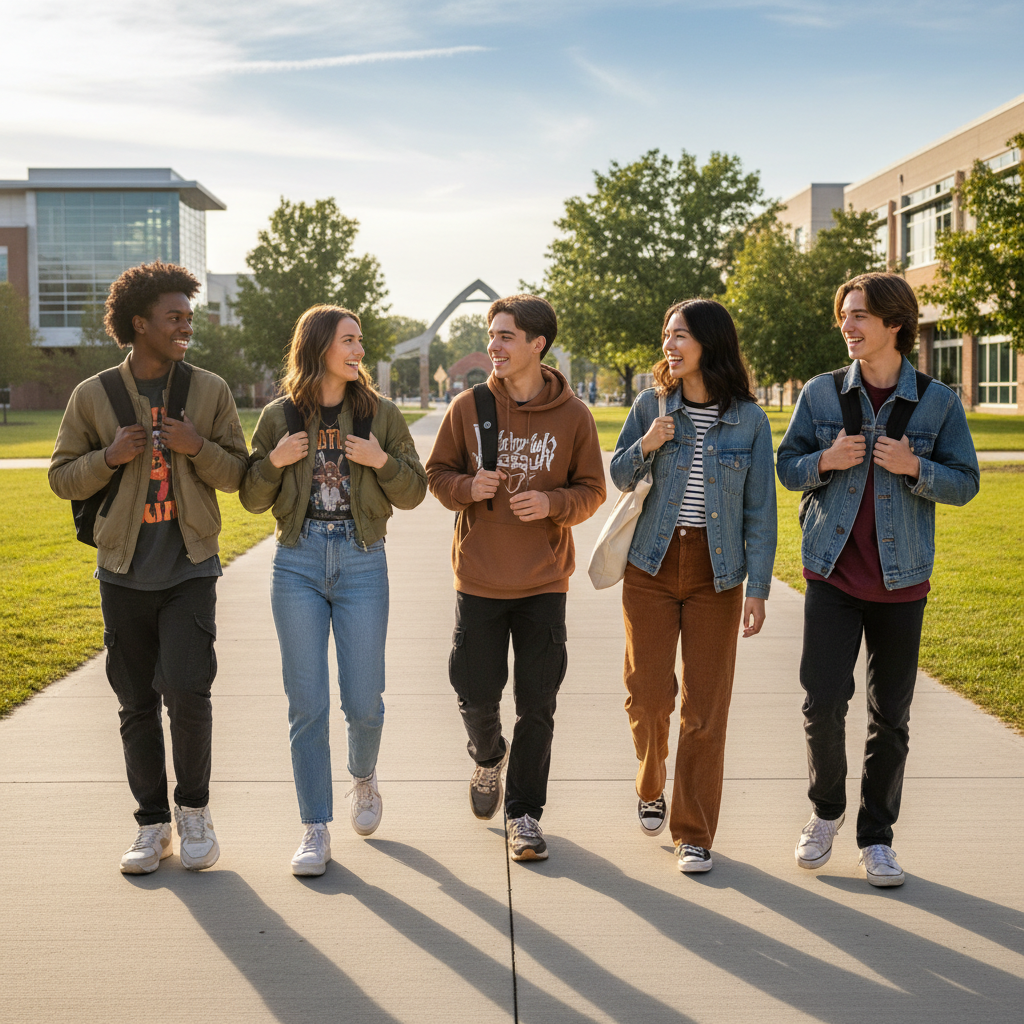
Below, you’ll find outfit formulas that are realistic for American schools, plus a quick “what to wear when” table, a checklist to diagnose what’s missing in your closet, and easy upgrades that don’t read as “trying too hard.”
What actually makes an outfit “stylish” at school
At school, style usually comes down to three things: fit, balance, and repetition. Not brand names, not doing the most.
- Fit beats trends: A basic tee looks better when the shoulders fit and the length makes sense with your jeans or skirt.
- Balance matters: If one piece is oversized, keep the rest cleaner. Baggy hoodie plus baggy pants can work, but it’s harder to pull off without looking sloppy.
- Repeat a “uniform” on purpose: When you find a combo that works, rotate colors and textures instead of reinventing your look daily.
And because schools vary, dress codes are the quiet “fourth factor.” According to U.S. Department of Education resources on school climate and discipline, schools often set expectations to reduce distractions and support safety, which is why certain items may be restricted. If your school enforces rules strictly, build outfits around pieces that won’t get you sent to change.
7 outfit formulas teens can rotate all semester
These are the kind of school outfit ideas that work in real life: long hallways, chilly classrooms, PE days, and random presentations.
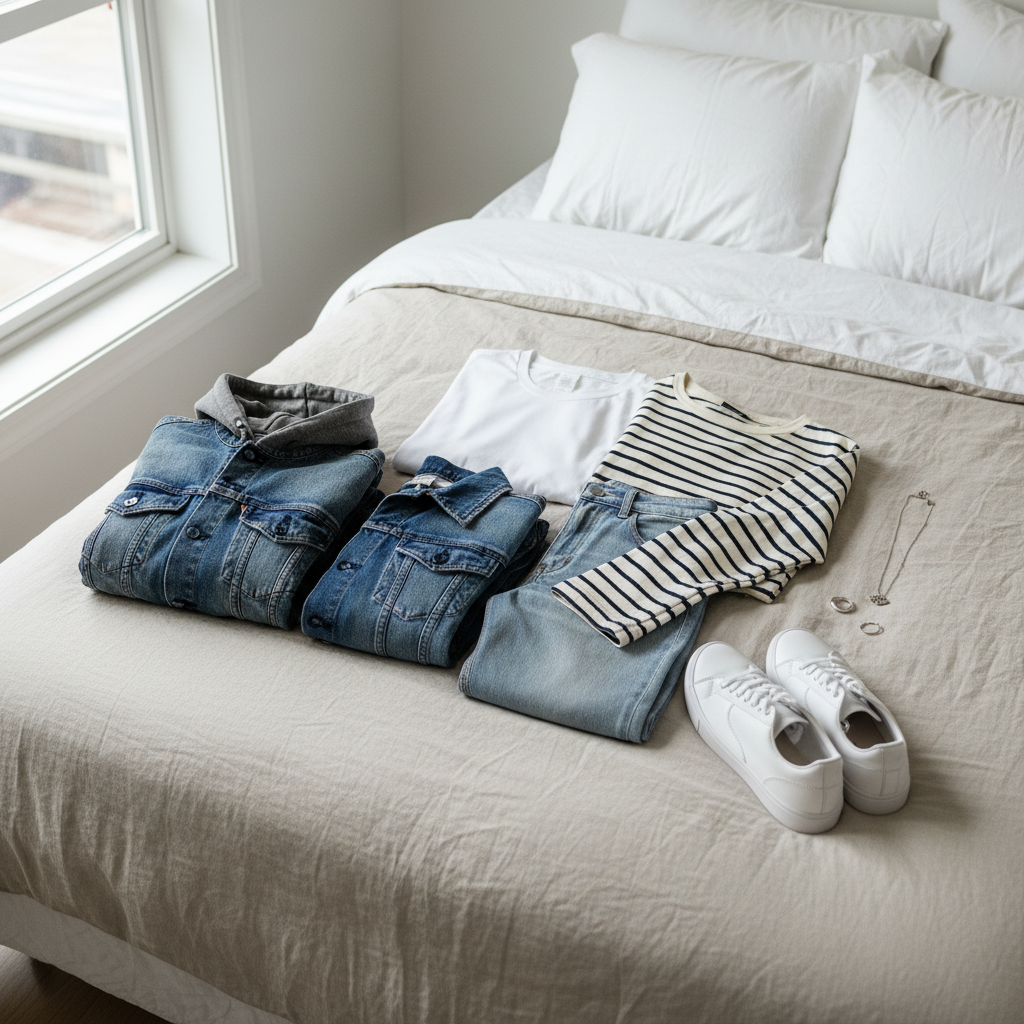
1) Straight-leg jeans + fitted tee + lightweight layer
- Top: fitted tee, baby tee, or clean tank with a cardigan
- Layer: denim jacket, bomber, flannel, or zip hoodie
- Shoes: classic sneakers or platform low-tops
Why it works: you get structure from the jeans, then add personality with the layer.
2) Wide-leg pants + cropped hoodie or crewneck
- Pick a mid-rise or high-rise if you want more coverage
- Keep the hoodie hem at the waistband for clean proportions
This look reads current, but it’s still comfortable enough for a full day.
3) Leggings (or flared leggings) + oversized sweatshirt + “good” sneakers
- Choose thicker leggings that don’t go sheer under bright light
- Add crew socks for a finished look
If your school has leggings rules, swap to ponte pants or straight joggers.
4) Cargo pants + ribbed long-sleeve + simple accessories
- A small necklace, hoops, or a watch goes a long way
- Keep color palette tight: black/white/olive, or navy/gray
It’s a little edgy without being loud.
5) Midi skirt + graphic tee + sneakers
- Knot the tee or do a small front tuck
- Add a cardigan for classrooms that run cold
This combo looks styled even when you’re in a rush.
6) Dress + layer (button-down, sweater, or denim jacket)
- Pick a dress you can sit in comfortably
- Bike shorts underneath can help you feel more secure
One-piece outfits are a secret weapon on busy mornings.
7) Matching set (sweats or knit set) + upgraded outerwear
- Keep the set clean and well-fitting
- Top with a structured jacket to avoid “just rolled out of bed” vibes
This is the easiest way to look intentional while staying cozy.
Quick table: what to wear by vibe, weather, and schedule
If you want fast decisions, start here, then tweak one piece for your personal style.
| Situation | Outfit base | Easy add-on |
|---|---|---|
| Cold classrooms | Jeans + tee | Cardigan or zip hoodie |
| PE day | Joggers + breathable tee | Light jacket, hair tie, small deodorant (check school rules) |
| Presentation day | Straight pants + knit top | Blazer-style jacket or crisp button-down |
| Hot weather | Skirt or shorts (dress-code safe) | Oversized button-down for shade |
| Rain | Dark jeans + tee | Water-resistant layer + shoes you can wipe clean |
| “I overslept” | Matching set | Structured tote/backpack + clean sneakers |
Closet self-check: why your outfits feel “off”
Before buying anything, figure out what’s missing. Most people don’t need more clothes, they need more combinations.
- Your basics don’t match: tops in warm tones, bottoms in cool tones, nothing plays nicely together.
- Too many statement pieces: loud pants, loud top, loud shoes, then you feel unsure and bail.
- No layering options: you rely on one hoodie, so every outfit feels the same.
- Shoes don’t fit your style goal: the outfit is fine, the shoes make it look accidental.
- Fit gaps: jeans that slide down, tees that bunch, sleeves that annoy you all day.
Key takeaway: If you can’t build at least 10 outfits from your closet, add connectors like neutral layers, a better-fitting jean, and shoes you actually want to wear.
Practical outfit-building: a 10-minute method for busy mornings
When you need school outfit ideas that don’t require creativity at 7 a.m., use a simple order of operations.
Step 1: Pick one “anchor”
Choose the piece you care about most that day: jeans you love, a skirt, or a favorite hoodie. Everything else supports it.
Step 2: Choose a color lane
Keep it to 2-3 colors. Neutrals plus one accent is the easiest lane: black/white + blue, cream + olive, gray + pink.
Step 3: Fix proportions with one adjustment
- Oversized top? Go with straighter pants.
- Wide pants? Keep the top more fitted or cropped.
- Shorter skirt? Add a longer layer.
Step 4: Add one “intentional” detail
- Clean belt, simple jewelry, hair clip
- Matching socks to top or shoes
- A bag that looks structured, even if it’s affordable
This is where outfits go from fine to “yeah, that’s a look.”

Common mistakes that make outfits look less polished
You can be wearing trendy pieces and still feel “messy.” Usually it’s one of these.
- Ignoring comfort: if you keep tugging at it, you won’t feel confident, and the outfit won’t read stylish.
- Over-layering without purpose: two hoodies plus a jacket often ends bulky and awkward in class.
- Wearing worn-out shoes: beat-up sneakers can be a vibe, but there’s a difference between intentional and just tired.
- Buying “fantasy self” items: cute boots you never wear because they hurt, a skirt that only works in one season.
- Forgetting school reality: dress codes, walking all day, sitting in weird chairs, surprise cold AC.
When to ask for extra help (and what “help” can look like)
If getting dressed starts to feel stressful or you’re constantly worried about how you look, it can help to bring in another perspective. That might be a friend with good styling instincts, a parent who’s willing to shop with a plan, or a store associate who understands fit.
If body image concerns or anxiety about appearance feels intense, persistent, or affects school life, consider talking with a trusted adult or a licensed mental health professional. That’s not a fashion issue anymore, and you deserve real support.
Conclusion: build a small system, not “perfect” outfits
The most wearable school outfit ideas come from repeatable formulas, a few layers you like, and shoes that match your day. When you stop chasing a totally new look every morning, style gets easier and you still feel like yourself.
Action steps for this week: take 15 minutes to pre-build three outfits you’d wear again, then note what single item would create five more combos. That one purchase usually beats five random ones.
FAQ
What are easy school outfit ideas for teens who don’t like dressing up?
Start with straight-leg jeans or joggers, add a clean tee, then use one layer like a zip hoodie or cardigan. The “style” comes from fit and keeping colors consistent, not from being fancy.
How do I look stylish at school without breaking dress code?
Lean on layering and proportions: a longer cardigan over a fitted top, or wide-leg pants with a more structured top. If rules are strict, avoid items that get flagged often and express style through color, shoes, and accessories.
How many outfits should a teen have for a school week?
Most students do fine with 5–7 core outfits plus a couple of backups for weather or laundry. The bigger win is making sure tops and bottoms mix well, so you’re not stuck with “one top fits one bottom.”
What shoes work best for school outfits?
Comfortable sneakers usually win because you walk a lot. If you want variety, rotate in loafers or low boots on days with less walking, but keep comfort in the top tier.
How can I make basic outfits look more interesting?
Add one intentional detail: a belt, a simple necklace, a different sock choice, or a better outer layer. Also try texture swaps like ribbed knits, denim, or a canvas jacket.
Are leggings still considered fashionable for school?
They can be, especially with an oversized sweatshirt, a clean sneaker, and a tidy overall look. If you want a more “styled” feel, flared leggings or ponte pants often read a bit more elevated.
What should I buy first if I’m rebuilding my school wardrobe?
Usually it’s one great pair of jeans or pants, one neutral layer (cardigan or zip hoodie), and shoes you love wearing. Those three items tend to multiply outfit options quickly.
If you’re building a weekly rotation and keep getting stuck on “nothing matches,” it may help to plan a mini capsule around your real schedule, then fill only the gaps that block outfits, not the items that just look cool online.