
Best crossbody bags for travel choices usually come down to three things you feel on day one: comfort on your shoulder, how fast you can access essentials, and whether the bag keeps strangers out when you get distracted.
If you have ever ended a trip with a sore neck, a messy bag where your passport disappears, or that low-level stress in crowds, the right crossbody can fix more than you think. It is one of those purchases that quietly upgrades every airport line, museum visit, and transit transfer.
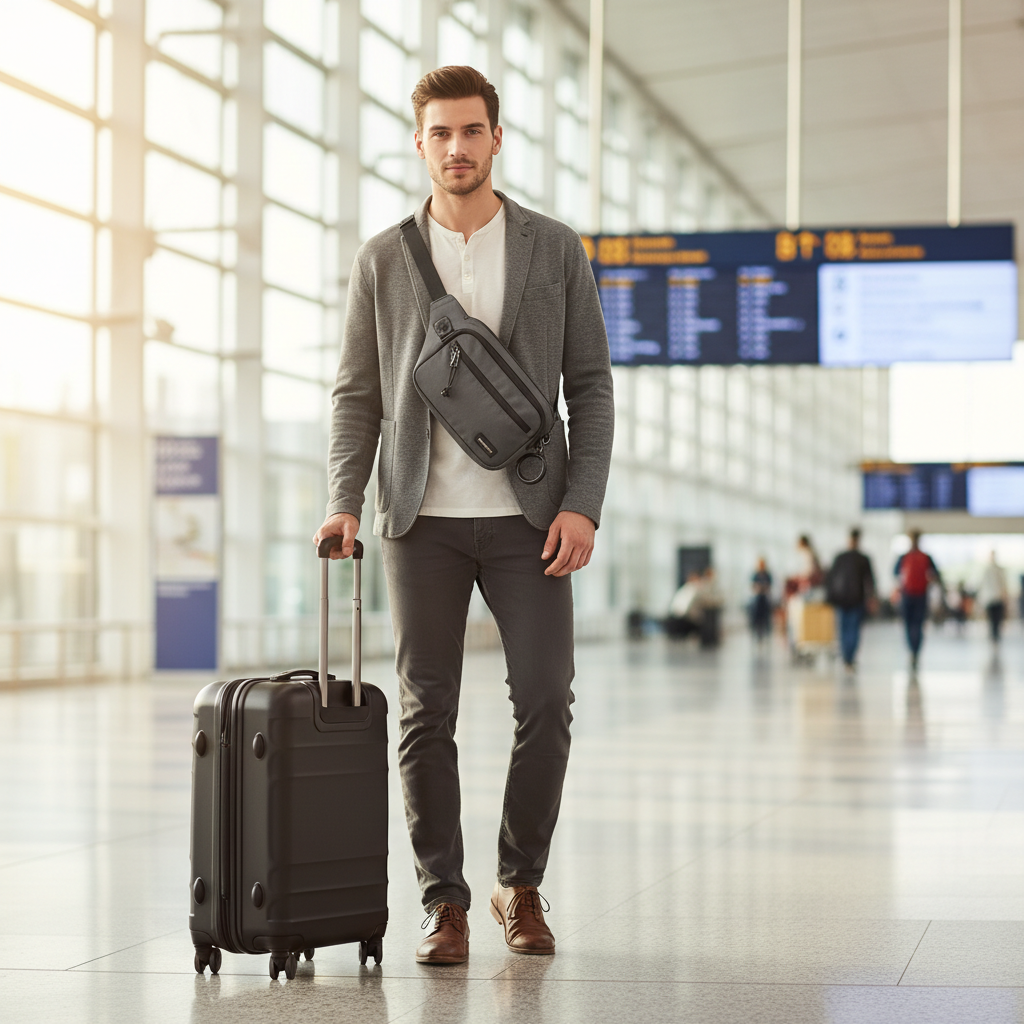
This guide is not a list of random products with hype names. It is a practical way to pick the best crossbody bag for your travel style in 2026, plus a quick comparison table, a self-check list, and packing tips that prevent the usual annoyances.
What “best” really means for travel crossbody bags
In real travel conditions, “best” is less about branding and more about how the bag behaves when you are tired, moving fast, and juggling tickets, coffee, and directions.
- Carry comfort: strap width, adjust range, and how the bag sits close to your torso.
- Access: can you reach phone, wallet, and boarding pass without opening the whole bag.
- Security: zippers that are harder to “walk open,” slash-resistant fabric panels in some models, and smart pocket placement.
- Capacity that matches the day: too small becomes annoying, too big turns into a shoulder anchor.
- Weather tolerance: light rain happens, bags that soak through create problems fast.
According to TSA, travelers should keep valuables secure and accessible during screening, which is easier when your main essentials live in one predictable pocket system rather than scattered across jackets and carry-ons.
Quick comparison table: choose a crossbody by trip type
If you want a shortcut, pick your “most common day” and work backward from that. A bag that matches your routine usually beats a bag that looks perfect in photos.
| Trip type | Recommended capacity | What to prioritize | Nice-to-have features |
|---|---|---|---|
| City sightseeing (8–12 hrs out) | 2–5L | Comfort strap, fast access pockets | Water-resistant shell, internal key leash |
| Transit-heavy days (airports, trains) | 3–7L | Secure zips, close-to-body fit | Luggage pass-through, RFID pocket (optional) |
| Outdoor / day hikes | 5–9L | Stability, weather protection | Breathable back panel, bottle pocket |
| Work + travel (laptop/tablet days) | 7–12L | Structure, device sleeve | Padded strap, cable organizer pocket |
| Evening dinners and events | 1–3L | Slim profile, clean look | Quiet hardware, easy-wipe lining |
Top features to look for in 2026 (and what to skip)
Bag trends change, but the winning features stay pretty consistent. Here is what tends to matter most in 2026 travel crossbody bags, especially for U.S. travelers doing a mix of domestic and international trips.
Comfort details that are not negotiable
- Strap width: thin straps feel fine for 30 minutes, then start cutting in.
- Adjustability range: you want enough slack for winter layers and cross-chest carry.
- Stability: a slightly structured body swings less when you walk fast.
Security features that help in crowds
Not every destination needs maximum anti-theft, but crowded transit hubs can be chaotic. A few subtle upgrades reduce worry without turning your bag into a vault.
- Lockable or interlocking zipper pulls: small friction, big peace of mind.
- Front pockets with hidden entry: better than big open slip pockets.
- Close-to-body carry: the “best crossbody bags for travel” often look boring because they sit flat and behave.
RFID-blocking pockets are common, but usefulness varies by situation and how you handle cards. Many people do fine just keeping cards in a zipped internal pocket and using phone wallets carefully.
Materials and hardware to prioritize
- Nylon and recycled nylon: light, durable, typically dries faster than canvas.
- YKK-style zippers: smoother and less prone to snagging than generic zips.
- Matte hardware: tends to scratch less and looks less “flashy” in busy areas.
Self-check: which crossbody style fits you best?
Before you shop, do a quick reality check. Most “bad bag purchases” happen because people shop for a fantasy itinerary, not their actual travel day.
- You need hands-free all day: choose a 2–5L bag with a wider strap and quick-access phone pocket.
- You carry a compact camera or mini umbrella: move to 4–7L and favor a boxier shape.
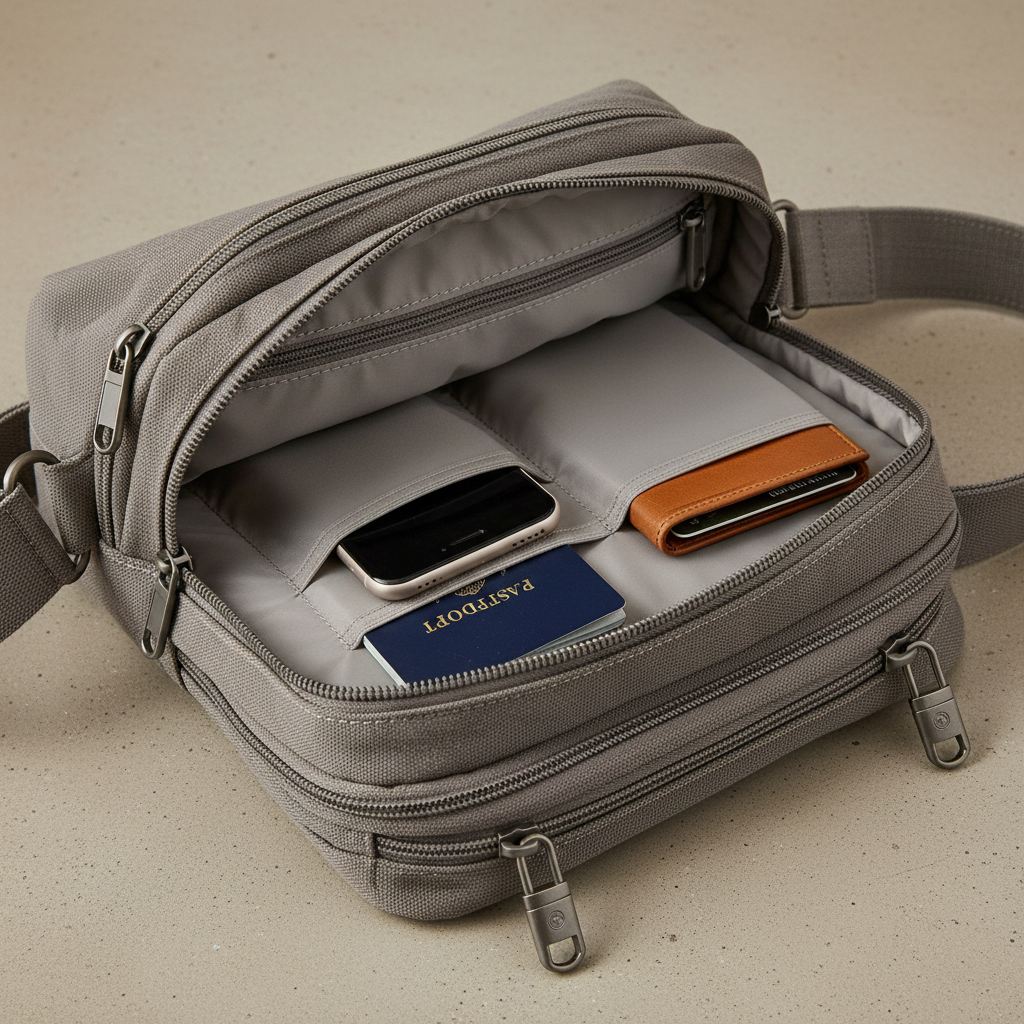
- You hate rummaging: look for 2–3 internal zones, not one giant compartment.
- You get shoulder pain: prioritize strap width, lighter fabric, and avoid heavy metal chains.
- You travel in dense crowds often: go with low-profile silhouettes and secure zippers.
If two bullets feel true, pick the more demanding one. A slightly bigger, better-organized bag often feels smaller than a cramped bag that forces you to fight the zipper.
How to pick the right size and pocket layout (without overthinking)
The most practical approach is to build around your “must-carry” kit, then add a little margin. For many trips, that is passport or ID, phone, wallet, keys, sanitizer, lip balm, and maybe sunglasses.
A simple sizing method
- Lay out essentials you carry outside your backpack or carry-on.
- Add one bulky item you often bring: small water bottle, compact camera, or portable charger.
- Pick capacity: 2–3L for essentials-only, 4–7L for one bulky add-on, 7–12L if you add a tablet or light layer.
Pocket layout that usually works
- Exterior quick pocket: phone or transit card, but not your passport.
- Main compartment: wallet, passport, charger, sunglasses in a soft case.
- One “no-brainer” pocket: keys on a leash, or a tiny zip pocket for SIM tool and spare cash.
Many cases of “my bag feels chaotic” come from too many tiny pockets that you cannot remember. Two or three zones tends to be the sweet spot.
Practical packing and wearing tips (the stuff that saves your day)
Even the best crossbody bag for travel can feel wrong if you wear it badly or load it unevenly. A few small habits make the bag disappear on your body, which is the goal.
- Wear cross-chest in transit hubs: it reduces swing and keeps zippers in your sight line.
- Heaviest items closest to your body: power bank and wallet go inside, not in an outer pocket.
- One-pocket rule for key documents: passport and primary card always return to the same place.
- Use a small pouch inside: cables, meds, and coins stop floating around.
- Adjust strap once, then stop fiddling: constant micro-adjustments usually mean the bag is overloaded.
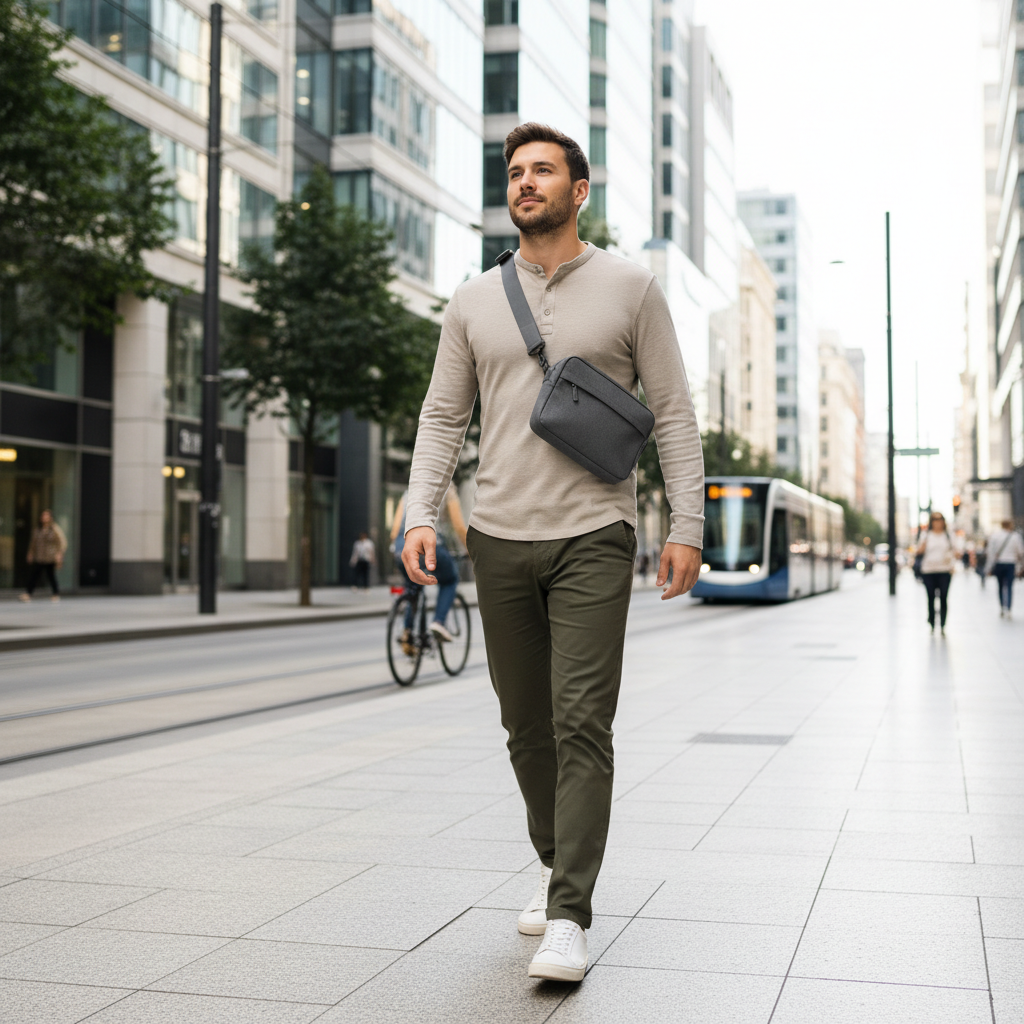
For safety, keep your bag in front in crowded areas, and avoid putting high-value items in open exterior pockets. If you have medical devices, mobility needs, or anything that changes how you carry weight, it may help to ask a clinician or physical therapist for guidance on load placement.
Common mistakes shoppers make (and how to avoid them)
A lot of crossbody disappointment is predictable. You can save money by recognizing these patterns early.
- Buying too small: you end up carrying a second bag, which defeats the point.
- Choosing style over strap comfort: narrow straps and heavy hardware punish you on day two.
- Over-indexing on anti-theft claims: a bag can be “secure” but still annoying to open, that friction adds up.
- Ignoring return window testing: you should try it fully loaded at home for 30–60 minutes.
- Assuming water-resistant means waterproof: many fabrics handle drizzle, not a downpour.
If you are stuck between two options, pick the one that feels simpler to live with. Travel days already have enough moving parts.
Conclusion: a smarter way to buy your next travel crossbody
The best crossbody bags for travel are the ones you stop thinking about mid-trip, because access feels effortless, the strap stays comfortable, and your essentials always land in the same spot. Start with your most common trip day, choose the right capacity, then prioritize comfort and security features that match where you actually go.
If you want a clear next step, write down your “must-carry” kit and pick a size range from the table above, then test-wear the bag at home loaded with your real items before committing.