
Best socks for sneakers no show usually come down to three things you can feel within minutes: the grip at the heel, how the opening sits on your foot, and whether the fabric stays dry enough to prevent rubbing.
If you’ve ever had a “no-show” sock vanish into your sneaker halfway through a walk, you already know why this matters. Slipping socks cause hotspots, blisters, and that constant annoying toe-scrunch you can’t un-notice.
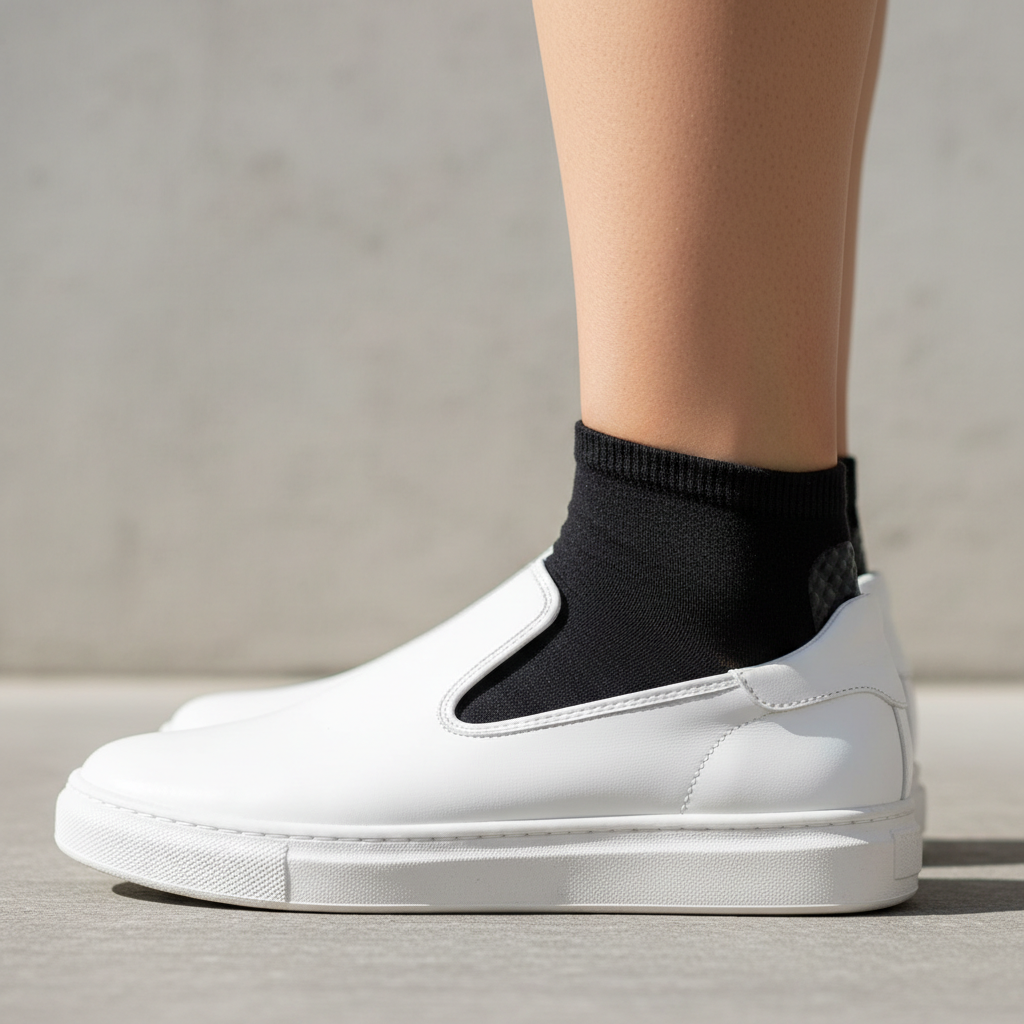
This guide helps you choose the right type for your sneaker style and your feet, spot marketing fluff fast, and narrow down what to buy based on how you actually wear sneakers: commuting, workouts, travel, or just everyday errands.
Key takeaways:
- Grip matters more than padding for true no-show performance.
- Material choice affects odor, sweat management, and blister risk.
- The “best” option depends on shoe collar height and your heel shape.
Why no-show socks slip (and why sneakers make it worse)
Most “lost sock” problems come from the interaction between your shoe lining and your heel movement. Sneakers often have smoother heel linings than dress shoes, plus more walking motion, so any weak grip shows up quickly.
Common real-world causes:
- Heel tab that’s too short, the sock can’t anchor under the Achilles area.
- Weak silicone or no grip, especially after a few washes.
- Wrong cut for your sneaker, a low vamp sock inside a higher-collar sneaker can slide down.
- Too much cotton, it can get damp and start moving around.
- Sizing “in the middle”, if you’re between sizes, the sock may stretch and migrate.
And yes, some feet are simply harder to fit. A narrow heel or prominent Achilles can make slipping more likely, even with decent socks.
What “best” really means: comfort, stay-put fit, and foot health
When people search for the best socks for sneakers no show, they’re usually trying to solve one of these pain points: slipping, blisters, sweaty feet, or visible sock lines. You don’t need a dozen features, you need the right combination for your use.
According to American Podiatric Medical Association (APMA), socks play a role in foot comfort by helping manage moisture and reduce friction, which can affect blister formation. That’s why “stay put” and “breathable” aren’t just nice-to-haves.
Here’s a quick way to define “best” by scenario:
- All-day walking/commuting: stable heel grip, medium-thin cushioning, good moisture control.
- Hot weather: thinner knit, mesh zones, synthetic or wool blend that dries faster.
- Gym + sneakers: higher friction resistance, stronger elastic, more targeted cushioning.
- Low-profile fashion sneakers: deeper “vamp” coverage so the front edge doesn’t slip under toes.
Quick self-check: which no-show sock style fits your sneakers?
Before you buy, do a 60-second check. It saves you from ordering “no-show” that’s basically a footie for ballet flats.
1) Check your sneaker opening (vamp) and collar
- Low vamp (lots of top-of-foot showing): you need a true low-cut no-show with a deep heel pocket.
- Medium vamp (classic trainers): most no-shows work, prioritize heel grip.
- Higher collar (retro runners, high foxing): a slightly higher “invisible” cut often stays put better.
2) Check your heel shape
- Narrow heel: look for strong elastic banding and a pronounced heel cup.
- Average/wide heel: focus on silicone placement and correct sizing.
3) Check your sweat level and friction risk
- Feet run hot: consider merino blends or performance synthetics, less cotton.
- Blister-prone: smoother yarns, seamless toes, and better moisture control help.
Materials and features that actually matter (not the hype)
Fabric and construction determine whether a sock feels great for ten minutes or stays comfortable for ten hours. For best socks for sneakers no show, these are the features that tend to pull the most weight.
Material cheat sheet
- Merino wool blends: good odor control and moisture buffering, often comfortable across seasons, pricing varies.
- Performance synthetics (polyester/nylon blends): durable, quick-drying, common in athletic no-shows.
- Cotton-heavy blends: can feel soft, but may hold moisture longer, which can increase rubbing in many cases.
- Elastane/spandex: not glamorous, but critical for rebound and shape retention.
Construction details worth paying for
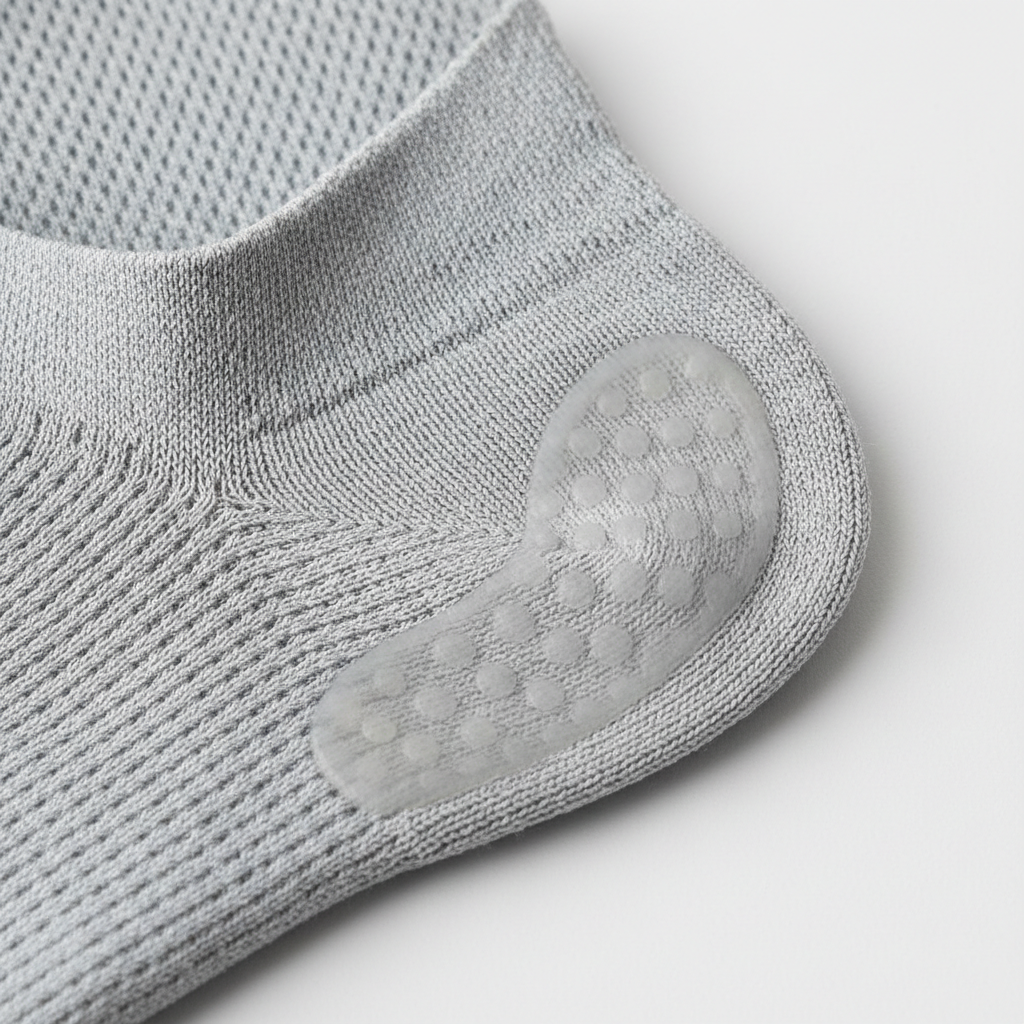
- Silicone heel grips that are wide and positioned high enough to anchor.
- Deep heel pocket that “cups” instead of flattening.
- Seamless or flat toe seam to reduce toe irritation.
- Ventilation zones if you wear sneakers in heat or do a lot of walking.
Comparison table: picking the right no-show socks by use case
If you’re stuck between options, this table is the practical shortcut. Think “match the sock to the day you’re having,” not “buy the fanciest pair.”
| Use case | What to prioritize | What to avoid | Best fit notes |
|---|---|---|---|
| Everyday casual sneakers | Strong heel grip, mid-thin knit | Weak elastic, shallow heel | Choose a cut made for sneakers, not flats |
| Long walks / travel days | Moisture control, smooth yarn, stable cuff | Cotton-heavy if you sweat a lot | Slightly higher “invisible” cut often behaves better |
| Gym / training sneakers | Durability, ventilation, reinforced heel/toe | Ultra-thin novelty no-shows | Check arch support band if you like a snug feel |
| Hot weather | Breathable knit, quick dry fibers | Thick cushioning unless needed | Look for mesh panels on top of foot |
| Wide feet or high instep | Stretch recovery, deeper pocket | Overly tight bands that pinch | Size up if you’re between sizes |
How to choose and test at home (a simple 10-minute process)
You can’t fully judge no-show socks on a product page. A quick at-home test avoids the drawer of disappointments.
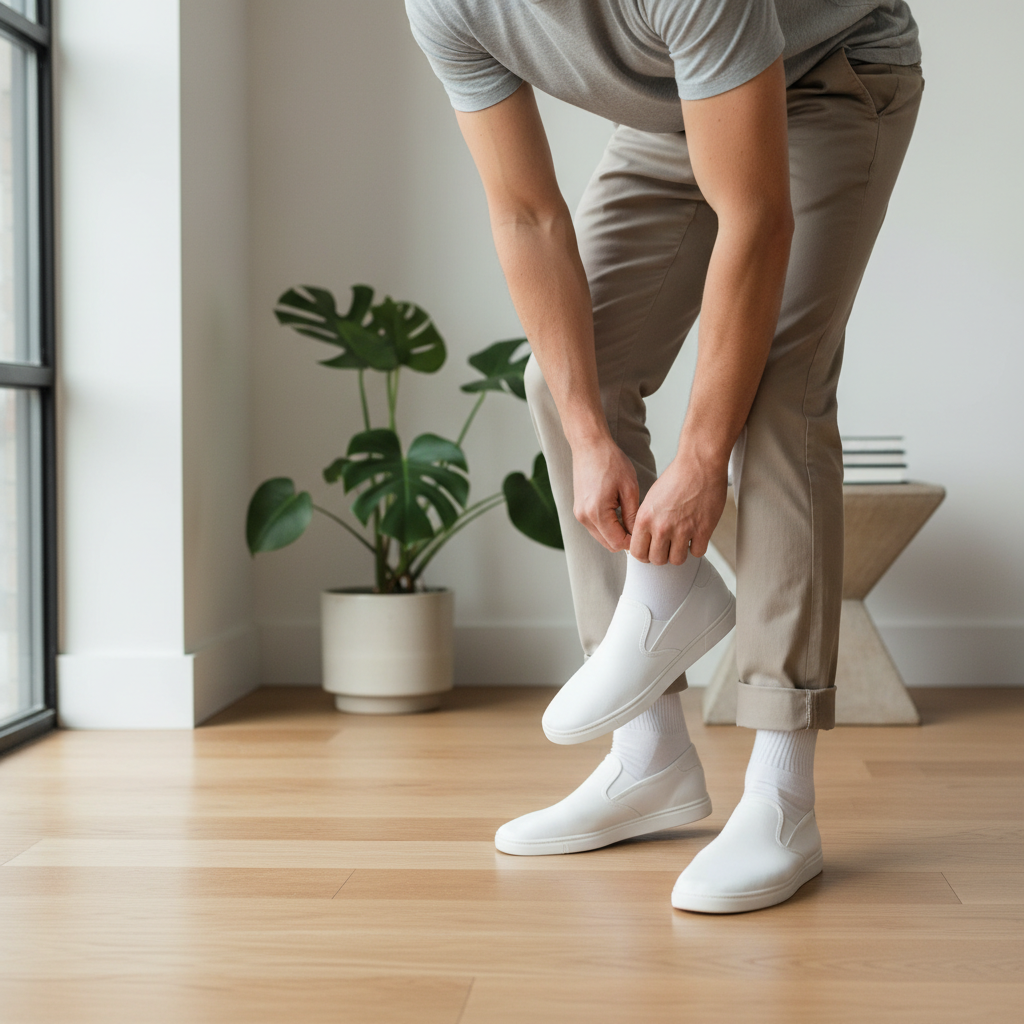
Step-by-step
- Do a dry fit: put the sock on, then your sneaker, stand up and flex your ankle. If the heel already feels loose, it won’t improve outside.
- Walk 50–100 steps indoors: pay attention to heel creep and toe scrunch. Most slipping shows fast.
- Check the sock edge: if the front edge rolls under, you need a different cut or deeper vamp coverage.
- Try your “real” lacing: a heel-lock lacing method can reduce movement, but you shouldn’t need tricks to make a sock functional.
Practical buying tip: if a brand sells multi-packs with mixed colors, start there, test two pairs, then commit.
Care tips that keep no-show socks from failing early
Even solid socks can turn into slip machines if the elastic and grips get cooked in the wash. This is where a lot of people unknowingly shorten lifespan.
- Wash cold or warm, not hot, heat can degrade elastane over time.
- Avoid high-heat drying when possible, air dry helps grips and stretch recovery last longer.
- Skip fabric softener, it can leave residue that reduces grip and moisture wicking.
- Rotate pairs, wearing the same two pairs nonstop tends to wear heel areas faster.
If your silicone grip looks shiny and flattened, or the sock feels “baggy” at the heel, it may be time to replace, even if the fabric still looks fine.
Common mistakes (and what to do instead)
A lot of frustration comes from small mismatches between sock type and sneaker shape, not from “bad socks.” Here are the mistakes I see most often.
- Mistake: Buying no-show socks made for loafers or flats.
Do instead: look for “sneaker no-show” or “athletic no-show” cuts with a deeper heel. - Mistake: Choosing the thinnest possible pair for invisibility.
Do instead: go slightly thicker if you walk a lot, comfort beats ultra-minimal lines. - Mistake: Ignoring sizing because it’s “one size.”
Do instead: if you’re at the top end of the range, pick the larger size option when available. - Mistake: Assuming blisters mean you need more padding.
Do instead: prioritize moisture control and reduced friction seams, padding helps sometimes, not always.
When it’s worth getting professional input
If you frequently get blisters, toenail issues, or skin irritation even after switching sock materials and improving fit, consider talking with a podiatrist. Persistent problems can relate to gait, shoe sizing, or skin conditions, and guessing can keep you stuck.
Also, if you have diabetes or circulation concerns, sock choice can matter more than it does for most shoppers, so it’s reasonable to ask a clinician what features to prioritize.
Conclusion: a simple way to buy the right pair
The best no-show socks for sneakers are the ones you stop thinking about after you put them on. Aim for a deep heel pocket, dependable grip, and a fabric that matches your sweat level, then test indoors before you commit to a drawer-full.
If you want a clean next step, pick one pair optimized for everyday wear and one pair built for workouts, then compare which one stays put better in your most-used sneakers.
FAQ
- What makes no-show socks stay on in sneakers?
Usually a combination of a deep heel pocket, strong elastic recovery, and silicone grip placed high enough to anchor. Cut matters too, a sock designed for flats often fails inside sneakers. - Are silicone grips uncomfortable?
Many feel fine once you start moving, but sensitivity varies. If grips irritate your skin, look for socks with a wider, softer grip pattern or a more structured heel cup that relies less on silicone. - Is cotton bad for no-show socks?
Not always, but cotton-heavy blends often hold moisture longer, which can increase friction for people who sweat. If you’re blister-prone, a wool blend or synthetic performance knit may feel better. - Why do my no-show socks slip only in certain sneakers?
Sneaker lining, heel shape, and collar height change the friction points. A sock that works in one pair can slide in another, especially if the heel lining is slick or the fit is slightly roomy. - How do I stop blisters when wearing no-show socks?
First check shoe fit and sock movement. Then prioritize moisture control, smooth toe seams, and a stable heel. If blisters keep happening, a podiatrist can help assess gait or pressure points. - Do “arch support bands” actually help?
They can improve feel and reduce bunching for some people, but they’re not required for everyone. If you dislike tight compression, choose a sock with gentle elastic instead. - How many pairs should I own if I wear sneakers most days?
Many people do well with 6–10 pairs so you can rotate and avoid over-wearing the same set. Rotation helps elasticity and grips last longer.
If you’re trying to narrow down options quickly, start by matching the sock cut to your sneaker opening, then use the indoor walk test as your filter. It’s the most reliable way to find a pair that behaves on your feet, not just on a product page.