
Best iron for clothes steam usually comes down to one thing: steady steam delivery that stays consistent from the first shirt to the last, without spitting, leaking, or leaving shiny marks on fabric.
If you’ve ever had an iron that drips on a white blouse, won’t smooth a collar, or takes forever to heat up, you already know why choosing a steam iron feels oddly high-stakes. In 2026, most models look similar on the shelf, but the small details decide whether you enjoy laundry day or dread it.
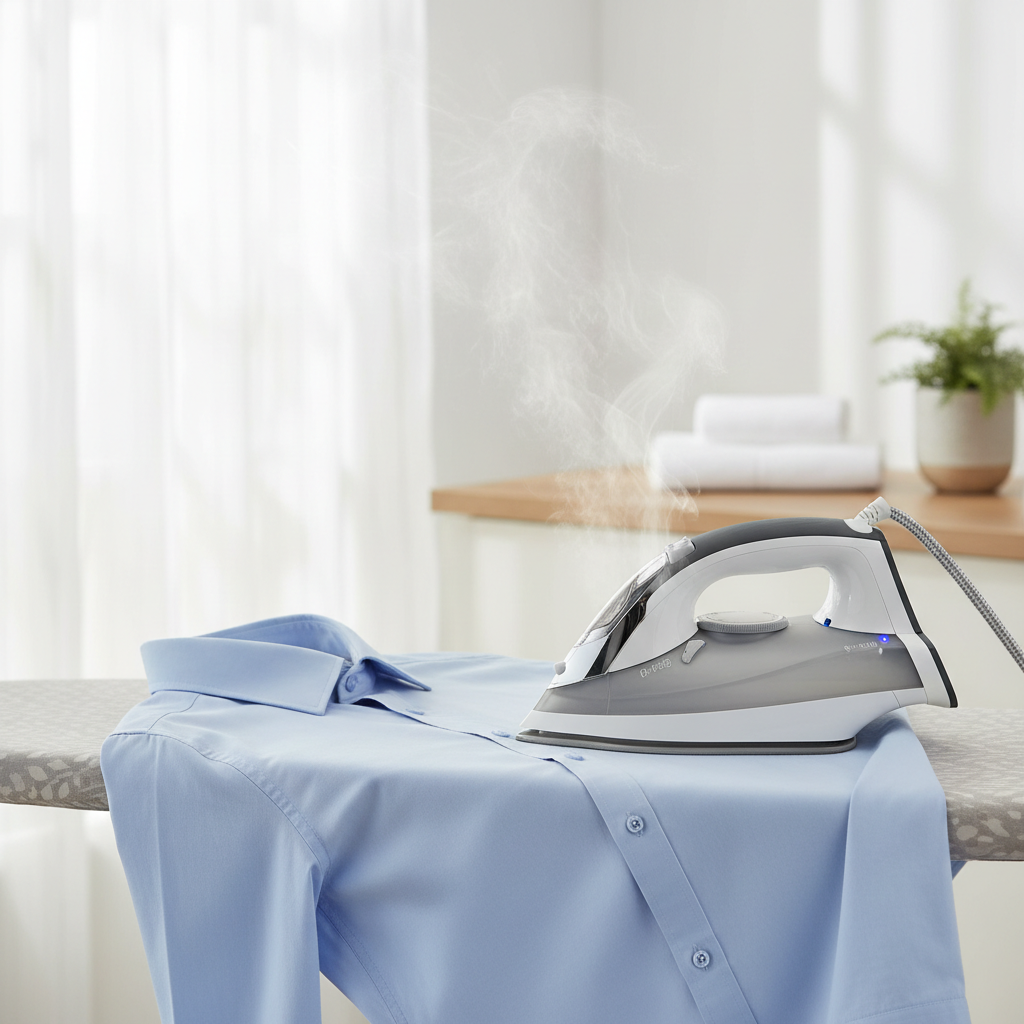
This guide focuses on how to pick the right steam iron for real US households, mixed fabrics, limited storage, mineral-heavy tap water in many regions, and the occasional last-minute outfit fix. I’ll also call out what matters less than marketing makes it sound.
What “best” really means for a steam iron in 2026
Most people don’t need the most expensive iron, they need the most predictable one. “Best” depends on how you actually iron, how often, and what you iron.
- For weekly family laundry: prioritize a larger water tank, stable steam output, and a soleplate that glides without sticking.
- For work shirts and collars: look for strong burst steam, good tip design for edges, and easy vertical steam for quick touch-ups.
- For delicates and dark fabrics: precise temperature control matters more than raw wattage.
- For small apartments: fast heat-up, compact storage, and reliable auto shut-off are big quality-of-life upgrades.
According to the U.S. Consumer Product Safety Commission (CPSC), irons are among household items involved in burn and fire incidents, so safety features are not optional, especially if you multitask.
Steam iron types: standard, steam generator, and travel
Before comparing features, pick the category that matches your habits. This is where many buyers go wrong, choosing by “most steam” when they really needed “least hassle.”
Standard steam iron (most common)
Good for most homes: affordable, easy to store, and fine for cotton, blends, and occasional linen. The best iron for clothes steam in this class usually wins on anti-drip reliability and consistent steam across settings.
Steam generator iron
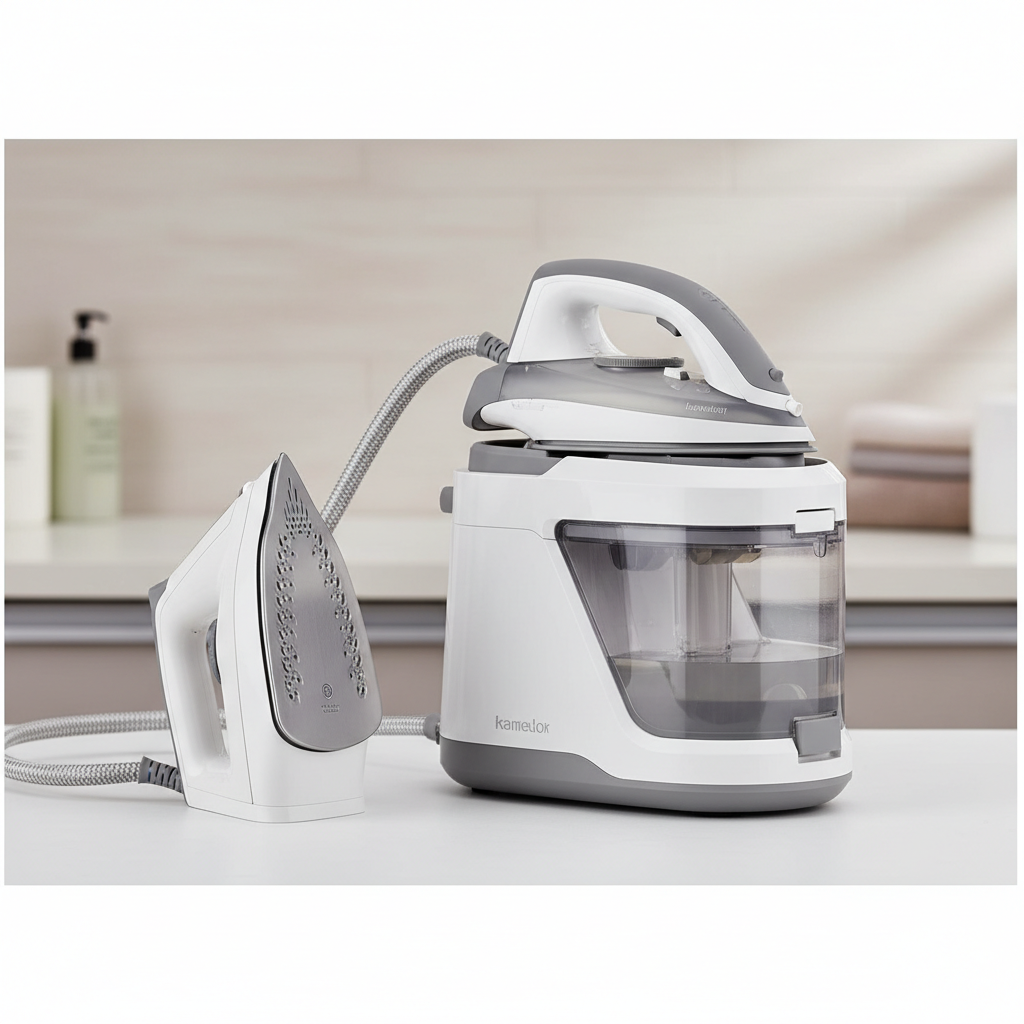
These use a separate base that produces higher-pressure steam. Great for big batches and heavy fabrics, but larger, pricier, and you’ll want dedicated storage space. Many people love them, but only if they iron often enough to justify the footprint.
Travel iron or compact steamer-iron hybrid
Convenient for trips and quick fixes, not ideal as a primary iron for daily use. If you mainly want wrinkle release on knits and synthetics, you might even be happier with a garment steamer.
Key features that actually matter (and what to ignore)
Specs can be noisy. These are the features that tend to change day-to-day results.
- Steam consistency: steady output beats a single impressive “burst” number. Look for controls that let you dial steam down for synthetics.
- Anti-drip + anti-spit: reduces water spots, especially at lower temps. If you iron delicates, this is huge.
- Soleplate glide: stainless steel and quality ceramic are common. The “best” here is the one that stays smooth and resists residue buildup.
- Auto shut-off: ideally both horizontal and vertical. This is a safety baseline, not a premium perk.
- Water system: self-clean function, anti-scale design, and a fill opening you can use without spilling.
- Cord and weight balance: a slightly heavier iron can press better, but if it fatigues your wrist, you’ll avoid using it.
What usually matters less than you think: ultra-high wattage claims, “hundreds of steam holes” marketing, and specialty coatings that don’t change glide after a month of real use.
Quick self-check: which steam iron profile fits you?
If you answer “yes” to any line, follow the recommendation column. This saves time and narrows the field fast.
| What happens at home | You’ll likely want |
|---|---|
| Tap water leaves white spots on faucets or kettles | Strong anti-scale system, easy self-clean, consider distilled water |
| You iron 10+ items in one sitting | Larger tank, comfortable grip, stable continuous steam |
| You mostly iron dress shirts and collars | Sharp tip, strong burst steam, good vertical steam |
| You ruin dark clothes with shine marks | Accurate temperature control, lower steam settings, pressing cloth |
| You forget the iron on sometimes | Reliable auto shut-off, stable heel rest, cord management |
How to choose the best steam iron: a practical buying checklist
Here’s the short list I’d use if I were shopping today. It’s less about “top rated” and more about avoiding the common regrets.
- Start with fabrics: cotton/linen heavy users benefit from stronger steam; synthetics need a low-temp, no-spit setup.
- Check tank usability: if the fill hole is tiny, you’ll spill, then you’ll stop filling it, then you’ll hate the iron.
- Look for scale management: especially in many US cities with harder water, mineral buildup can reduce steam over time.
- Confirm safety basics: auto shut-off, stable stand, heat-resistant cord jacket.
- Read the “boring” complaints: leaking, dripping, clogged steam vents, and random shut-offs matter more than pretty design.
According to ENERGY STAR, choosing efficient appliances can reduce household energy use; for irons the bigger “efficiency win” is usually faster pressing with fewer passes, which depends on steam delivery and soleplate glide more than raw wattage.
Real-world ironing steps that make any iron work better
Even the best iron for clothes steam can underperform if the setup is off. These steps are simple, but they’re where results usually improve the fastest.
1) Match heat and steam to fabric (don’t guess)
- Cotton: higher heat + steady steam.
- Linen: high heat, steam, and press while slightly damp if the care label allows.
- Polyester/synthetics: low heat, minimal steam, avoid lingering in one spot.
- Wool: medium heat, steam through a pressing cloth.
If a care label conflicts with your typical routine, follow the label. If you’re unsure, testing a hidden seam is safer.
2) Use the right water strategy
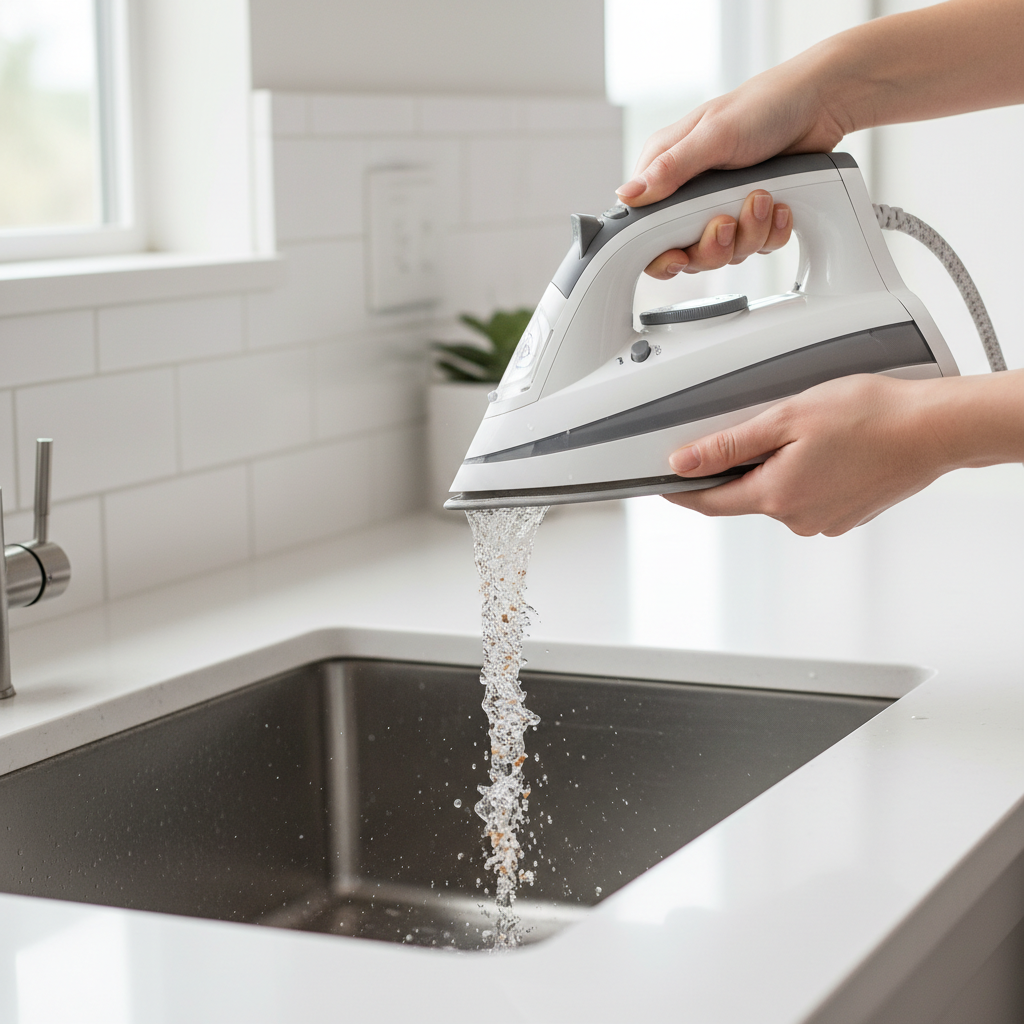
Many manufacturers say tap water is fine, but in hard-water areas, scale can shorten performance. Distilled water may help, though some brands prefer a mix to avoid sensor issues. When in doubt, follow your iron’s manual, or ask the manufacturer’s support line.
3) Press, don’t “scrub”
Wrinkles release with heat + moisture + pressure. Pushing the iron back and forth aggressively can stretch fabric and create shine, especially on dark slacks.
Mistakes that lead to leaks, spots, and shiny fabric
If you’re seeing water stains or inconsistent steam, it’s often one of these issues rather than a “bad” iron.
- Using steam on too-low temperature: water doesn’t fully vaporize, so it spits.
- Overfilling: tanks have a max line for a reason.
- Skipping cleaning: mineral buildup can clog vents and cause sputtering.
- Ironing over residue: starch or melted fiber can transfer to the soleplate and then to the next item.
- No pressing cloth on delicate/dark items: shine marks can happen fast, and removing them can be tricky.
According to the Federal Trade Commission (FTC), reading and keeping product instructions helps with safe use and warranty claims; for irons, the manual often includes brand-specific water and descaling rules that prevent the most common failures.
When it’s worth getting professional help (or replacing the iron)
If an iron trips breakers, smells like burning plastic, has a damaged cord, or the auto shut-off behaves unpredictably, stop using it and consider an electrician or the manufacturer’s service options. Burns and electrical hazards are not the place to “see if it goes away.”
Replacement often makes sense when: it leaks after proper cleaning, steam vents stay clogged despite descaling, or the soleplate has deep scratches that snag fabric. If it’s still under warranty, contacting the brand first can save money.
Conclusion: what to buy, depending on your closet
The best steam iron choice in 2026 is the one that fits your fabrics and your patience level. For most households, a well-built standard model with dependable anti-drip, strong continuous steam, and auto shut-off delivers the best mix of results and convenience. If you iron in big batches or deal with heavy linens, a steam generator can feel like a serious upgrade, as long as you can store it.
If you want a simple next step, list your top three fabrics, check your water hardness situation, then shop for a model that emphasizes scale management and reliable steam control rather than flashy specs.
Key takeaways
- Consistency beats peak power: steady steam and anti-drip reduce rewashing and frustration.
- Hard water changes everything: anti-scale and easy cleaning keep performance from dropping.
- Safety is baseline: auto shut-off and a stable stand matter in real homes.