
men thermal underwear set warm is usually the fastest way to fix that “I’m still cold even with a jacket” problem, because your base layer controls heat retention, moisture, and comfort all day. If the first layer fails, everything on top works harder, and you end up adding bulk instead of real warmth.
This matters more than people expect, especially in the U.S. where winter can mean dry cold in the Midwest, wet wind on the coasts, or quick temperature swings when you go from outdoors to heated buildings. The right set keeps you warm without overheating, itching, or that clammy feeling after a brisk walk.
A common misconception is “any long johns are the same.” In reality, warmth comes from a mix of fabric, knit structure, thickness, and fit, plus how you plan to use them. This guide helps you pick a set that matches your climate and activity, then actually wear it in a way that feels good.
What makes a thermal set feel warmer (and what doesn’t)
Warmth isn’t just “thicker is better.” The sets that feel reliably warm tend to manage three things at once: trapping air, moving sweat, and reducing chill from damp fabric.
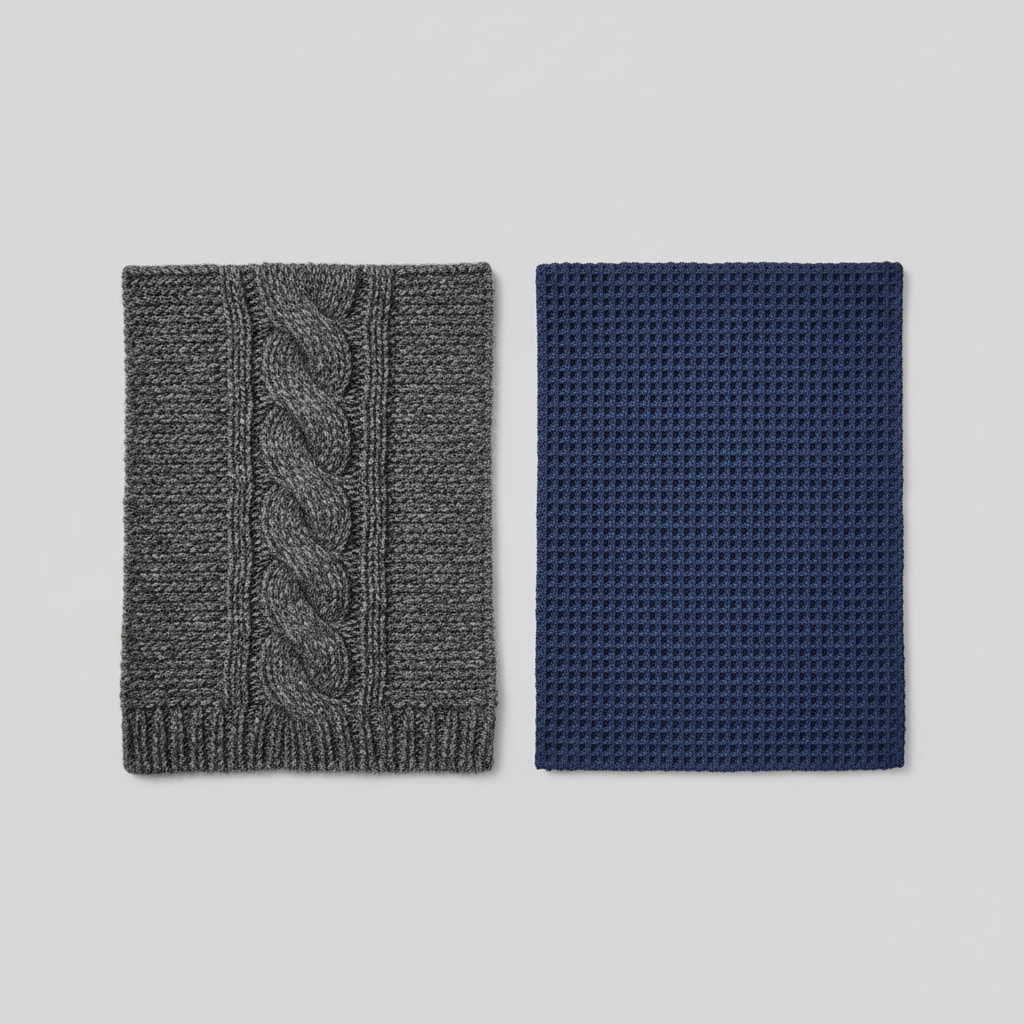
- Trapped air: Waffle or grid knits often feel warmer than a smooth, thin layer at the same weight because they hold more insulating air pockets.
- Moisture management: If you sweat even a little, fabric that dries slowly can make you feel colder later. Synthetics and some wool blends usually handle this better than basic cotton.
- Fit: Too loose and you lose heat, too tight and you restrict movement and can feel “cold-tight” because there’s less air space and more pressure points.
- Wind and contact chill: Base layers aren’t windproof; they’re for insulation and moisture. Wind protection comes from mid and outer layers.
According to CDC, wearing layered clothing helps prevent cold stress in low temperatures, and the base layer plays a key role in staying dry and comfortable. If you have circulation issues or health conditions that affect cold tolerance, it may be worth asking a medical professional what to watch for.
Material breakdown: merino vs synthetic vs cotton (quick, honest trade-offs)
Fabric choice is where most people either love their set or never wear it again. Here’s the practical read on the big three.
- Merino wool: Warm even when slightly damp, naturally odor resistant, often comfortable against skin. Downsides: higher price, can wear out faster if fabric is very lightweight, needs gentler care.
- Synthetics (polyester/nylon blends): Usually durable, dries fast, often budget friendly, good for active use. Downsides: can hold odor more, some feel “plasticky” if the finish is cheap.
- Cotton: Soft and familiar, fine for low-sweat indoor use. Downsides: holds moisture and dries slowly, which can make you feel colder outdoors. For many winter activities, cotton is the first thing to skip.
If you’re shopping for a men thermal underwear set warm enough for outdoor time, merino or a solid synthetic blend tends to be the safer bet. Cotton can still work if your “winter” means short walks from parking lot to office, and you rarely sweat.
Choosing the right weight: light, mid, heavyweight (with a simple table)
“Weight” is the shortcut that tells you how insulated the set feels. Brands label this differently, so think in use-cases rather than numbers.
| Weight | Best for | How it feels | Watch-outs |
|---|---|---|---|
| Lightweight | Cool days, indoor/outdoor errands, mild winter regions | Thin, easy to layer, less bulk | Can feel “not enough” if you stand outside long |
| Midweight | Most U.S. winter days, commuting, casual outdoor time | Balanced warmth, good under jeans/sweaters | May overheat indoors if you run hot |
| Heavyweight | Long outdoor hours, very cold regions, low-activity situations | Noticeably warm, thicker hand feel | Bulkier, can restrict movement, slower dry time in some fabrics |
A lot of people buy heavyweight expecting “maximum warmth,” then hate how it feels under everyday clothes. If you’re uncertain, midweight is often the most wearable starting point, and you can upgrade outer layers for wind and precipitation.
Fit checklist: how to tell if it’s doing its job
If you put it on and forget about it, that’s usually a good sign. Use this quick self-check before you commit to a second set.
- Snug but not compressive: no numbness, no tight waistband marks that linger.
- Full range of motion: deep squat and arm raise without binding at knees, shoulders, or crotch.
- Length stays put: top stays tucked when you reach overhead; bottoms don’t creep above your boots/socks.
- No “hot spots”: seams shouldn’t rub at inner thigh, underarm, or across the spine.
- Neckline and cuffs: sit flat, don’t bunch under sweaters, and don’t leave gaps that leak heat.
If your goal is a men thermal underwear set warm enough for daily winter wear, prioritize comfort at the waistband and inner thigh. That’s where “I can’t wait to take this off” usually starts.
How to layer it so you stay warm without sweating
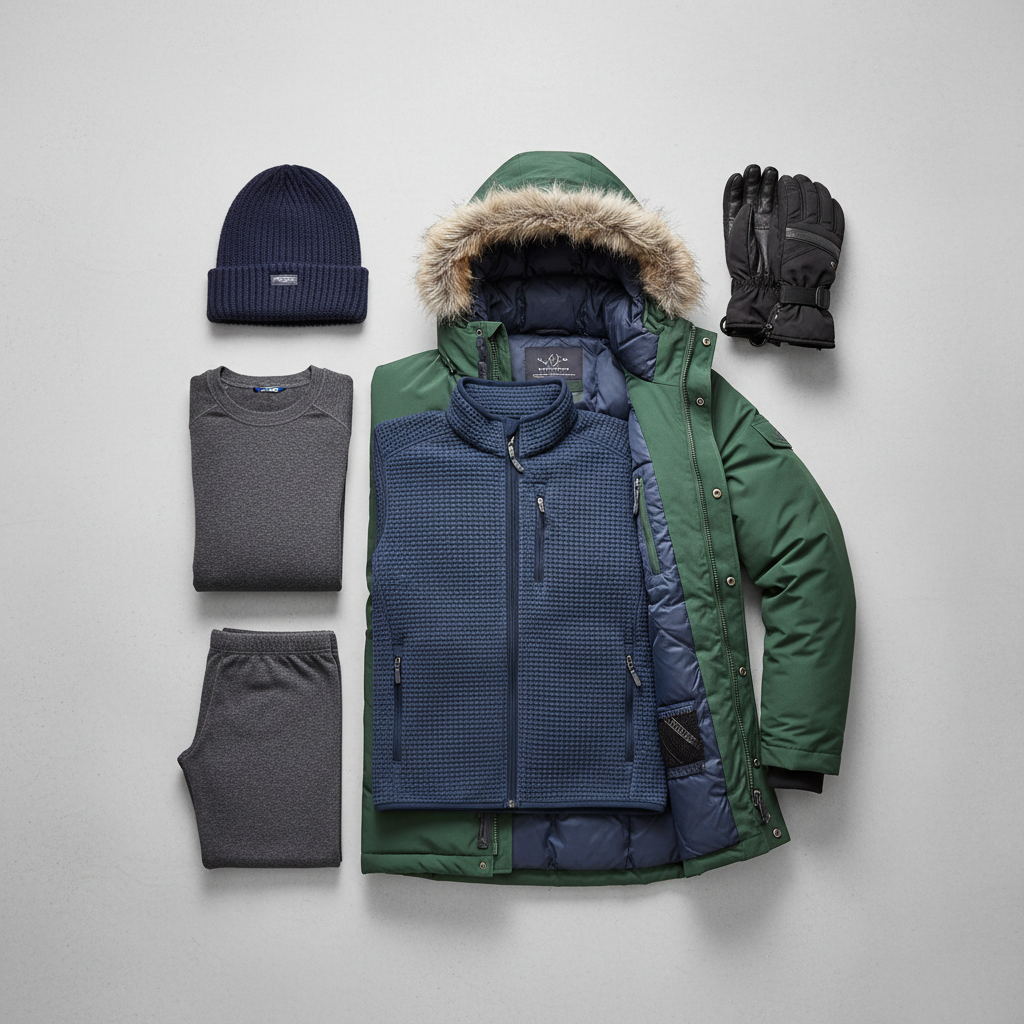
Base layers work best when the full system makes sense. The easiest way to think about it is: dry next to skin, insulation in the middle, weather protection on the outside.
For commuting and city errands
- Base: lightweight or midweight thermal set
- Mid: flannel, sweater, or light fleece
- Outer: coat that blocks wind (even a “warm” coat struggles if wind cuts through)
For active cold (walking fast, hiking, shoveling)
- Base: synthetic or merino that dries fast
- Mid: breathable fleece, not overly thick
- Outer: shell that vents (pit zips help) so sweat doesn’t get trapped
For low activity (spectator sports, long waits, ice fishing)
- Base: midweight to heavyweight, comfort-first
- Mid: thicker insulation (fleece or puffy layer)
- Outer: windproof, ideally with room for layering
Key point that saves people: if you’re sweating, you’re usually overdressed for your activity level. That sweat can cool you down later. Adjust by swapping the mid layer before you ditch the base layer.
Care tips that keep warmth (and avoid that “stretched out” feel)
Thermals lose performance when fibers get damaged, stretched, or coated in residue. You don’t need fancy routines, just a few habits.
- Skip high heat drying when you can. High heat can shrink wool and degrade synthetic elastane.
- Use mild detergent, especially for merino. Wool-specific detergents can help, but not always required.
- Avoid heavy fabric softener. Many softeners leave a film that can reduce wicking in synthetics.
- Wash inside-out to reduce pilling and keep the face fabric smoother under layers.
If odor builds up in a synthetic set, a gentle “sport wash” or a short soak can help, but always follow the care label. When in doubt, lower temperatures and less agitation keep thermals in shape longer.
Common mistakes (what people do that ruins comfort fast)
- Buying too thick for daily wear, then abandoning it because it feels bulky under jeans.
- Choosing cotton for outdoor cold, then wondering why they feel chilly after light sweating.
- Ignoring seams, especially if you sit, drive, or walk a lot. Flatlock seams usually feel better.
- Assuming one set covers everything. Many people end up with two: a lighter active set and a warmer casual set.
Also, if you’re consistently feeling unusually cold, fatigued, or numb in mild conditions, it may not be a clothing issue. Consider checking in with a healthcare professional, especially if symptoms persist.
Practical buying checklist (use this before you click “Add to cart”)
- Pick your primary use: commuting, active outdoors, or low-activity cold
- Choose fabric: merino for comfort and odor control, synthetic for quick-dry performance
- Select weight: midweight if you want one versatile option
- Confirm fit details: inseam length, rise, sleeve length, and waistband comfort
- Look for comfort build: flat seams, stretch panels, tagless or soft labels
If you follow that list, you usually end up with a men thermal underwear set warm enough to notice the difference, without turning your outfit into a stiff, layered project.
Conclusion: the warm set is the one you actually wear
The best thermal set isn’t the thickest or most expensive, it’s the one that matches your winter and your habits, stays comfortable for hours, and doesn’t punish you the moment you step indoors. Start with the right weight and fabric, get the fit right, then build the rest of your layers around wind and moisture.
If you want one action today, choose a midweight merino or performance synthetic set, wear it on a normal day out, then adjust from real comfort feedback instead of guessing.
FAQ
What temperature range is a men thermal underwear set warm enough for?
It depends on wind, humidity, and activity. Many people find midweight works for typical winter days, while heavyweight is better for long outdoor periods with low movement.
Is merino wool always warmer than synthetic thermals?
Not always. Merino can feel warmer when damp and tends to manage odor well, but a good synthetic grid fleece can be extremely warm for its weight, especially during active use.
Should thermal underwear be tight or loose?
Snug is usually better than loose because it reduces drafts and helps moisture transfer, but it should not feel compressive. If it restricts movement or causes numbness, size up or switch cuts.
Can I wear thermals under jeans and still feel comfortable?
Yes, if the fabric is smooth and the weight is appropriate. Midweight works for many people, but if your jeans are slim, a lighter set may feel less restrictive.
Do I need a separate top and bottom, or is a full set worth it?
A full set is convenient because you get matched warmth coverage, especially when you’ll be outside for a while. If your legs rarely get cold, you might only need the top.
Why do my thermals feel cold after I start sweating?
Moisture sitting against skin can cool quickly once you slow down. Switching to faster-drying fabric, reducing mid-layer thickness, or venting your outer layer often fixes it.
How often should I wash thermal underwear?
For synthetics, many people wash after each wear if they sweat. Merino can sometimes go longer due to odor resistance, but if it’s damp or dirty, washing is still the safer choice.
If you’re trying to stop cold mornings from turning into bulky, uncomfortable outfits, picking a thermal set by fabric, weight, and fit makes shopping much simpler, and if you’d rather not guess, using a quick checklist and matching it to your day-to-day winter routine can save time and returns.