
women cami top basic multipack shopping sounds simple, until the straps slip, the fabric turns sheer, or the “deal” stops feeling like one after two washes.
If you wear camis as base layers, sleep tops, gym-to-errands pieces, or under cardigans, a multipack can be a smart move, but only when you know what to look for, and what to ignore.
This guide breaks down the real differences that matter in casual cami multipacks: fabric weight, stretch recovery, strap hardware, neckline, and sizing. You’ll also get a quick self-check, a comparison table, and a practical buy-and-care plan.
Why multipack camis are so popular (and where they disappoint)
A basic cami is one of those “quiet MVP” items, you reach for it constantly without thinking. Multipacks work because you can rotate colors, reduce laundry pressure, and keep a few backups for travel or work bags.
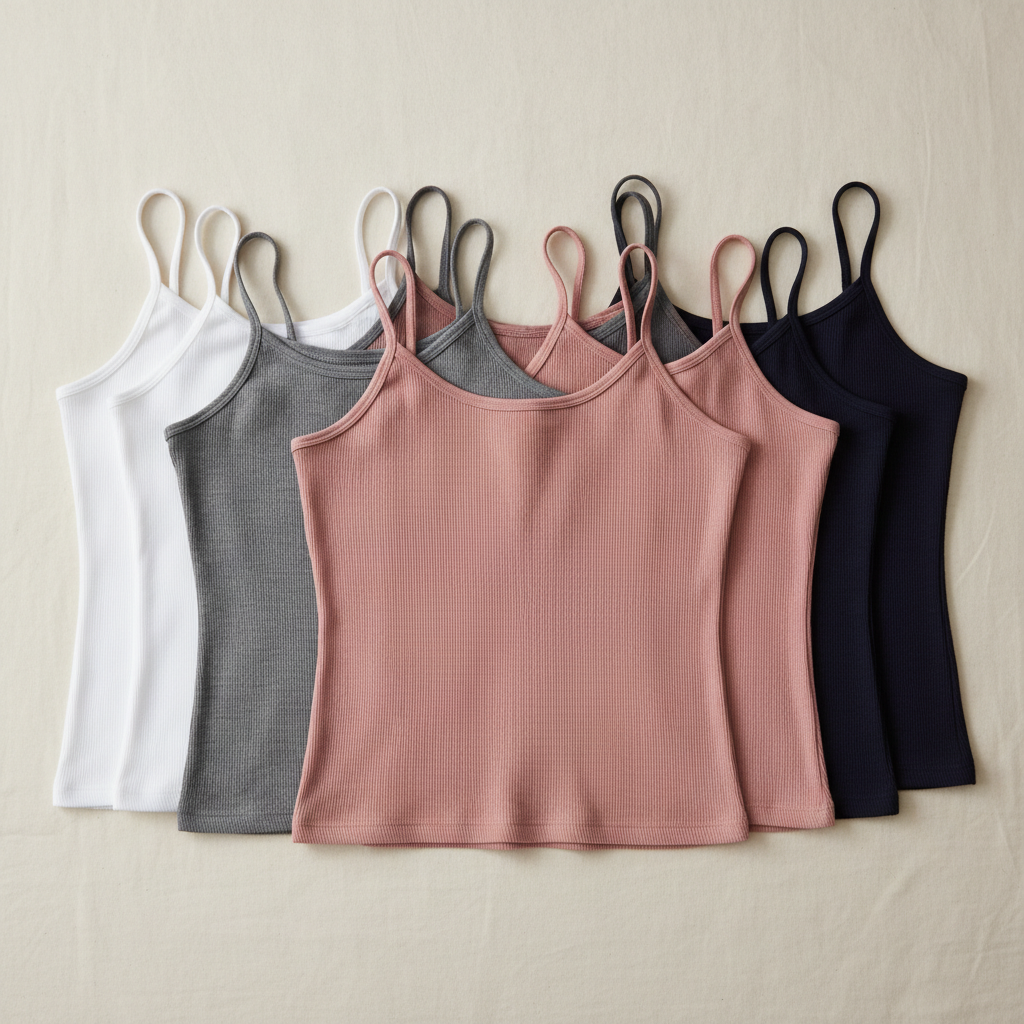
But the disappointments are also predictable. A lot of “casual” camis are made to hit a price point, so corners get cut in places you only notice after real wear.
- Sheerness surprises: lighter knits can look fine folded, then become see-through under daylight.
- Strap creep: thin elastic straps stretch out, especially if dried on heat.
- Fit inconsistency: multipacks sometimes mix runs, one color fits slightly different.
- Pilling and fade: friction areas (underarms, waistband contact) show wear fast.
None of this means multipacks are “bad,” it just means you want to choose based on use-case, not just color count.
Fabric and construction: what actually changes comfort
Most women’s camis fall into a few common fabric families. Each one feels different on skin and behaves differently in the wash, which matters a lot for a women cami top basic multipack meant for repeat wear.
Cotton and cotton blends
Cotton-rich camis usually feel breathable and familiar, especially for lounging and everyday layering. The trade-off is that pure cotton may lose shape faster unless it’s knit with enough structure or blended with spandex.
- Best for: sensitive skin, casual wear, layering under sweaters
- Watch for: shrinking, straps losing bounce over time
Modal/rayon blends
Modal and rayon blends often feel smoother and drape better, which can look more “polished” even in a basic cami. They can be more prone to pilling if the knit is very soft or lightweight.
- Best for: flattering drape, sleep, light layering
- Watch for: pilling, heat sensitivity in the dryer
Polyester blends
Poly blends can be durable and affordable. Depending on the knit, they may feel less breathable for some people, especially in hot climates or high-sweat days.
- Best for: durability, travel, quick-dry needs
- Watch for: cling, static, odor retention in some cases
Construction details that matter more than you think
- Straps: adjustable sliders usually extend wear life and help with neckline placement.
- Seams: flat, tidy seams reduce irritation and show less under thin tops.
- Hem: a slightly wider hem can stop rolling, especially on high-stretch knits.
Quick self-check: which multipack should you buy?
If you’re torn between packs that “all look the same,” answer these quickly. You’ll narrow your options fast and avoid buying the wrong type of basic.

- Main job: base layer under workwear, lounge/sleep, or standalone top?
- Your “no” list: does sheerness, strap slipping, or cling bother you most?
- Bra plan: wearing it with a bra every time, sometimes, or hoping to go braless?
- Climate: humid heat, dry cold, or indoor AC year-round?
- Care reality: do you air-dry, or does everything go into the dryer?
One honest note: if you always machine-dry on medium or high heat, prioritize sturdier straps and blends that keep elasticity, it’s where many multipacks fail first.
Comparison table: choose the right cami multipack for your use
Use this as a quick filter. It won’t replace trying a top on, but it helps you match fabric and features to your routine.
| Use case | What to prioritize | Common pitfalls | Good feature clues |
|---|---|---|---|
| Everyday layering | Opaque knit, smooth seams | Neckline gaping, rolling hem | Mid-weight fabric, wider hem |
| Sleep / lounge | Soft hand-feel, stretch comfort | Pilling, twisted straps | Modal blends, tag-free labels |
| Summer casual | Breathability, non-cling drape | See-through in sunlight | Cotton-rich, darker colors |
| Travel basics | Easy care, shape retention | Wrinkles, stretched neckline | Adjustable straps, resilient knit |
How to pick a women cami top basic multipack that feels like a deal
A multipack feels “worth it” when each cami earns real closet time. Here’s how to shop with fewer regrets, especially online.
1) Start with neckline and strap style, not color
Scoop, V-neck, and straight necklines all layer differently. A neckline you hate will sit in your drawer no matter how good the price looks.
- Scoop neck: easy under tees and sweaters, low-fuss.
- V-neck: better under button-downs, less visible at the collar.
- Straight/trim neck: more coverage, can feel sporty.
2) Read sizing notes like you’re looking for problems
Multipacks often get reviewed by people using them in totally different ways, some want compression, others want a relaxed fit. Look for repeated themes such as “runs long,” “straps too short,” or “chest area tight.”
3) Decide your “opacity threshold” upfront
If you plan to wear the cami as a standalone top, aim for darker colors or thicker knits. If it’s strictly a base layer, you can tolerate lighter weight fabric, but you still want it to feel stable.
4) Don’t overpay for extra pieces you won’t wear
That 6-pack can be less practical than a 3-pack if half the colors don’t match your wardrobe. A smaller women cami top basic multipack in colors you repeat weekly often wins.
Care tips that keep straps and fabric from falling apart early
Most “my camis got weird” stories start in the laundry. You don’t need precious hand-washing, just a few habits that protect stretch and surface texture.
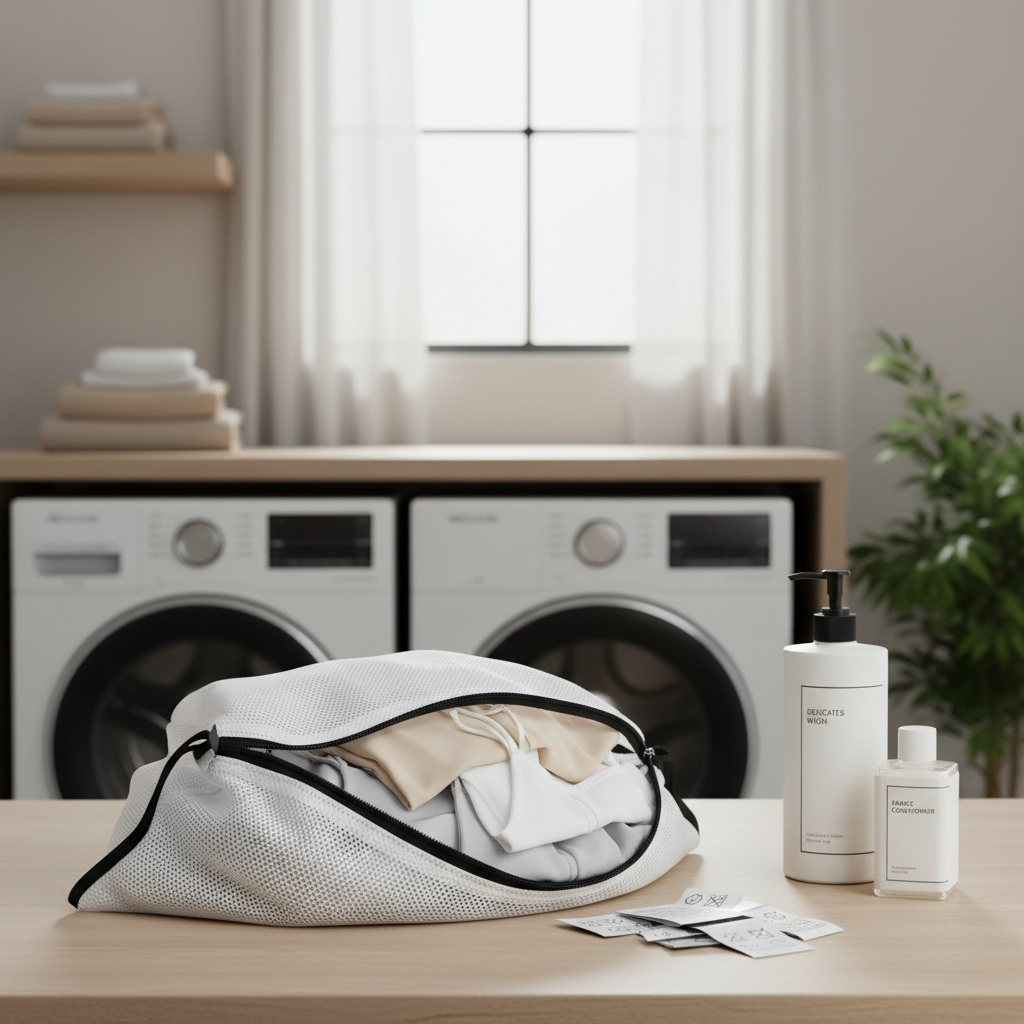
- Use a mesh bag for thin straps, it reduces tangling and stretching.
- Cold wash helps preserve dye and elasticity in many blends.
- Avoid high heat if you want straps to last, low heat or air-dry is often gentler.
- Skip heavy fabric softener when you can; some fabrics may hold residue and feel less breathable over time.
According to the Federal Trade Commission (FTC), garment care labels are meant to provide clear, reliable instructions for cleaning. If a pack’s label recommends low heat or line drying, it’s usually worth following for longevity.
Common mistakes (and how to avoid them)
- Buying for “future you”: if you never wear white tops, don’t buy a pack because it includes white.
- Expecting one cami to do everything: a sleep cami and a “wear outside” cami can be different items, and that’s normal.
- Ignoring strap adjusters: if you often tug straps back up, adjustable straps are not optional.
- Confusing stretch with support: a stretchy knit isn’t the same as built-in support; if you need support, you may want a shelf-bra style or plan on a bra.
When it’s worth getting help with fit or comfort
If camis consistently irritate skin, dig into shoulders, or trigger discomfort around the chest, it may be worth asking a professional fitter for bra and layering guidance, especially if you’re trying to solve a support problem with a basic layer. And if you notice persistent skin reactions to certain fabrics or dyes, checking with a healthcare professional can be a sensible step.
Key takeaways before you click “buy”
- Pick the neckline first, then choose colors you’ll repeat weekly.
- Prioritize adjustable straps if you’re sensitive to slipping or length issues.
- Match fabric to use: breathable for summer, smoother drape for polished layering, tougher blends for travel.
- Care matters, low heat and mesh bags often keep a multipack wearable longer.
Conclusion: build a multipack that earns its space
A women cami top basic multipack works when it matches how you actually dress, not how you think you might dress. Focus on fit, opacity, and strap construction, then treat laundry like part of the purchase decision. If you want one simple action, choose one “test pack,” wear-wash it twice, and only then stock up in more colors.
If you’re shopping today, make a short list of must-haves, adjustable straps or not, opaque enough or not, and decide whether it’s a base layer or a standalone top, that single decision usually clears up 80% of the confusion.
FAQ
What does “basic” mean in a women cami top basic multipack?
Usually it means a simple silhouette meant for layering, minimal detailing, and everyday wear. The tricky part is that “basic” doesn’t guarantee thickness, support, or opacity, so you still want to check fabric and construction.
Are multipack camis typically see-through?
Some are, especially in lighter colors and lighter-weight knits. If you plan to wear a cami alone, darker colors and mid-weight fabrics tend to feel more forgiving.
Should I size up for comfort in camis?
It depends on the cut and your goal. For sleep and lounging, sizing up can feel nicer. For layering under fitted tops, staying true to size often reduces bunching, but pay attention to reviews mentioning tightness in the bust.
Do adjustable straps really matter?
If you’ve ever had straps slide off shoulders or felt the neckline sit too low, they matter a lot. Adjustable straps also help if you’re between sizes or have a longer torso.
How many camis should be in a starter multipack?
For most closets, 3 to 4 is a practical start. It gives rotation without committing to a color set you might not love after a few wears.
Can I work out in casual cami tops?
Light workouts might be fine, but many casual camis aren’t designed for sweat management or support. If chafing or discomfort shows up, switching to an active tank or consulting a professional fitter for support options can help.
Why do my camis twist after washing?
Twisting can happen with very lightweight knits, high heat drying, or low-quality seam alignment. Cold wash, a mesh bag, and avoiding high heat often reduce it.
If you’re trying to simplify your closet and want a women cami top basic multipack that feels consistent across colors and washes, it can help to start with one pack that matches your main use case, then expand once you know the fit and fabric behave the way you need.