
Thrift shopping tips matter most when you’re tired of leaving empty-handed, or worse, coming home with something that looked great on the rack but falls apart after one wash. The good news is that better finds usually come from better habits, not better luck.
Thrift stores can feel chaotic, and that’s the point: pricing is inconsistent, inventory changes hourly, and quality ranges from genuine steals to stuff nobody wanted the first time around. If you know what to look for and how to move through a store with a plan, you can save money and still end up with pieces you’ll actually use.
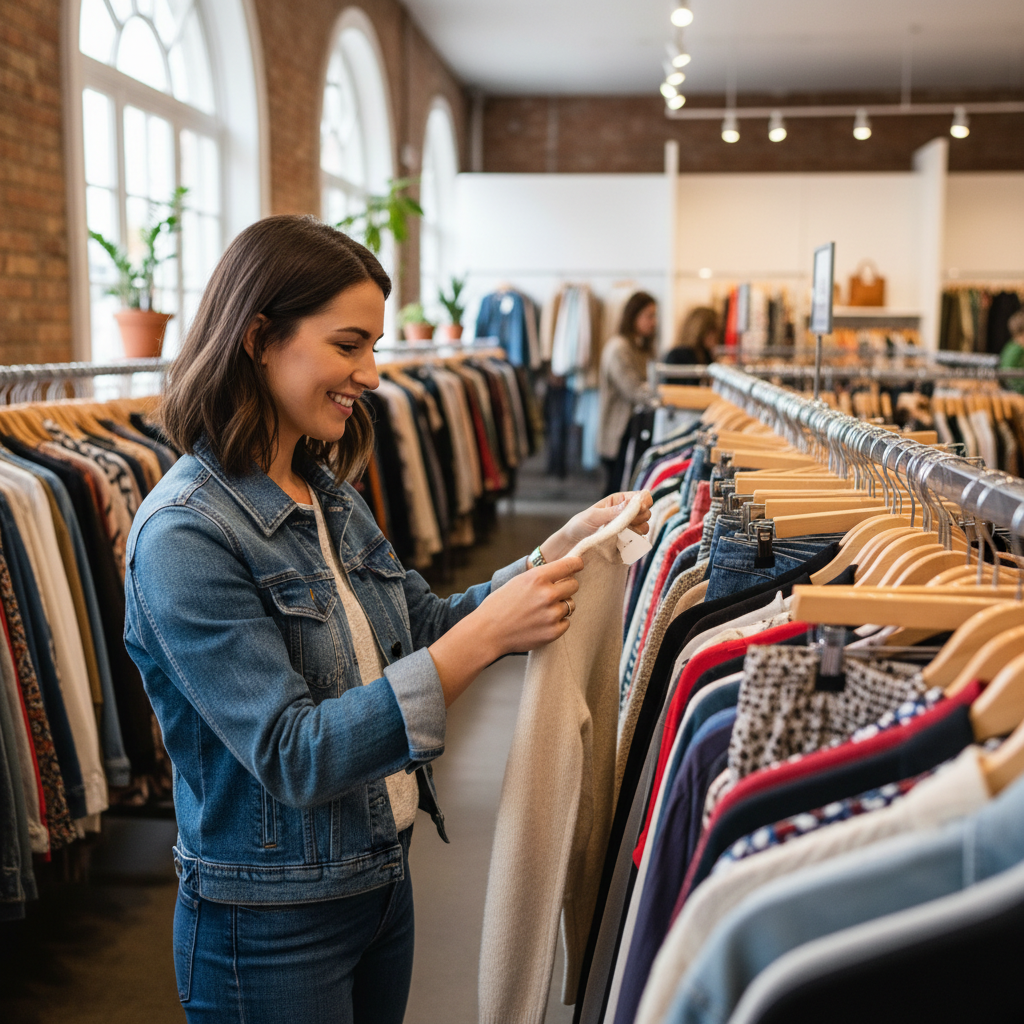
Below is a practical playbook: why great items show up when they do, a quick self-check so you don’t waste time, and a step-by-step approach for clothing, shoes, home goods, and furniture. I’ll also flag the common mistakes that quietly eat your savings.
Why the best finds happen (and why you miss them)
Most people think thrifting is random, but a few patterns show up in many U.S. stores. Once you recognize them, you stop relying on luck.
- Inventory moves fast: new donations hit the floor continuously or in batches, and desirable categories get picked over early.
- Pricing isn’t consistent: two similar items can be priced wildly differently depending on brand recognition, condition, and who tagged it.
- Layout encourages wandering: racks are packed, categories blend, and endcaps change, so a checklist beats “just browsing.”
- Condition hides in details: the “deal” becomes expensive when you discover stains, missing parts, or repairs you won’t realistically do.
According to Goodwill Industries International... donation volume and store flow vary by location and season, so your results depend heavily on timing and store selection rather than effort alone.
Quick self-check: what kind of thrift shopper are you today?
Before you walk in, decide what success looks like in this trip. This sounds basic, but it prevents the classic outcome: a cart full of “maybe” items and buyer’s remorse at checkout.
- Mission trip: you need one thing (black blazer, kid’s winter coat, picture frames). You’ll scan fast and leave quickly.
- Treasure trip: you’re open to surprises (vintage denim, unique ceramics). You’ll budget more time and set strict quality rules.
- Budget reset trip: you want volume basics (t-shirts, jeans, kitchen tools). You’ll prioritize condition and price over brand.
- Resale trip: you’re hunting margin (brand, material, condition). You’ll skip anything with hidden risk.
If you can’t name your trip type, your default becomes impulse shopping. That’s when thrift shopping tips feel like they don’t work, because the goal keeps changing aisle by aisle.
Timing and store strategy that actually improves your odds
There’s no universal “best day,” but there are smarter ways to approach timing and selection.
Choose stores based on what you’re hunting
- Clothing variety: larger thrift chains and high-volume donation centers often refresh racks more frequently.
- Vintage and unique pieces: independent shops may curate more, but prices can be higher.
- Home goods: stores near areas with frequent moves (college towns, military communities) can turn over housewares quickly.
Visit with a rhythm, not a superstition
- Go when you can browse calmly; rushed trips lead to missed flaws.
- If your store restocks during the day, a shorter midweek visit can beat a long weekend haul.
- Learn discount cycles and color tags, but don’t buy something mediocre just because it’s 50% off.
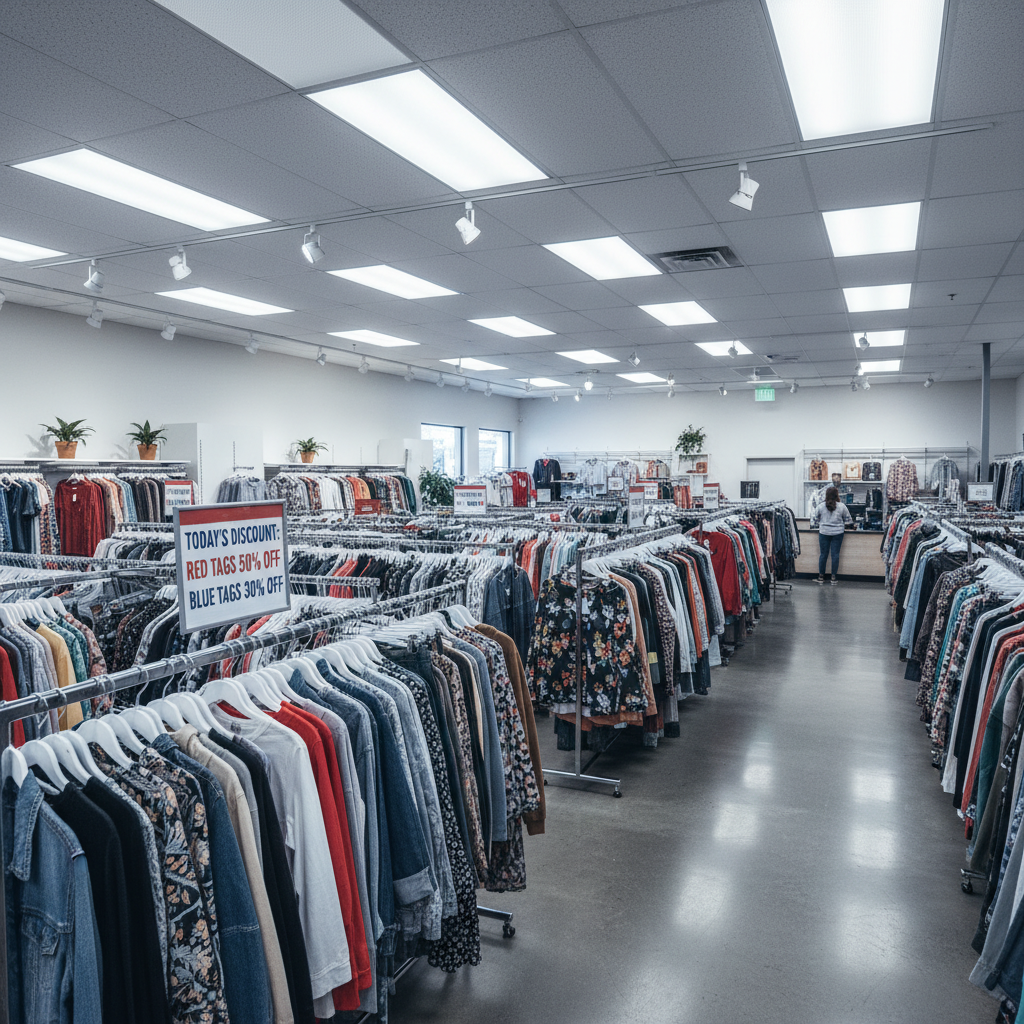
One more practical note: if you’re going for high-demand categories (denim, leather jackets, sneakers), plan for multiple smaller visits. Long single trips often produce fatigue, and fatigue produces bad judgment.
How to inspect items fast: a quality checklist (clothes, shoes, home)
Great thrifting is mostly inspection. The goal is to catch deal-breakers in under 20 seconds, then do a deeper check only on items that pass.
Clothing: your 20-second screen
- Fabric feel: wool, linen, silk, and heavier cotton often hold up better than thin blends, though there are exceptions.
- Seams and stress points: check underarms, crotch, inner thighs, and side seams for thinning or popped stitches.
- Stains under real light: tilt the fabric; deodorant marks, oil, and subtle discoloration show at angles.
- Closures: test zippers, buttons, snaps; missing hardware is annoying and sometimes expensive to replace.
Shoes and bags: where “nearly new” hides
- Soles: uneven wear can mean the shoe won’t feel right, even if it looks good.
- Odor: some smells don’t come out; if you’re on the fence in-store, you’ll regret it at home.
- Leather condition: light scuffs are fine, deep cracks usually aren’t.
Home goods: check safety and completeness
- Small appliances: look for intact cords and plugs; testing policies vary, so buy only if you’re comfortable with the risk.
- Cookware: avoid items with heavy warping or flaking coatings; if you’re unsure, consider asking a professional about safe use.
- Sets: for board games, glassware sets, or specialty kitchen tools, verify key pieces are present.
These thrift shopping tips sound strict, but they’re how you prevent “bargains” from turning into clutter.
A simple plan for best finds (step-by-step in the store)
If you only take one tactic, take this: start with categories that disappear fastest, then move to slower aisles.
- Step 1: Do a fast lap around the store perimeter or your priority sections, grabbing only obvious yes-items.
- Step 2: Park and edit near a mirror or good lighting; remove anything that fails the inspection checklist.
- Step 3: Targeted search for your specific needs (work pants, frames, storage bins), using sizes/colors as filters.
- Step 4: Final decision with a rule: if you’re not excited now, you won’t be excited after washing it.
When fitting rooms are closed, a measuring tape helps. Measure a favorite jacket pit-to-pit and a favorite pair of jeans at the waist, then compare quickly in-store.
Budget, value, and a quick comparison table
Price tags can trick you because thrift pricing sometimes creeps up on popular items. What you want is value: durability, usefulness, and how soon you’ll wear or use it.
Use this table to decide when to buy
| Item type | Buy when... | Skip when... | Why it matters |
|---|---|---|---|
| Denim & pants | Fabric feels sturdy, seams clean, fit is close | Inner thigh thinning, zipper issues | Pants fail at stress points first |
| Blazers & coats | Shoulders sit right, lining intact, minimal pilling | Strong odor, torn lining, heavy shoulder pads you hate | Alterations cost can erase savings |
| Shoes | Sole wear looks even, no deep creasing | Odor, cracking, separated sole | Comfort issues are hard to fix |
| Small appliances | Looks clean, cord intact, store allows testing/returns | Frayed cord, missing parts, no return policy | Safety and replacement parts risk |
According to Federal Trade Commission (FTC)... consumers should pay attention to return policies and purchase terms, especially when buying used goods, since protections vary by seller and condition.
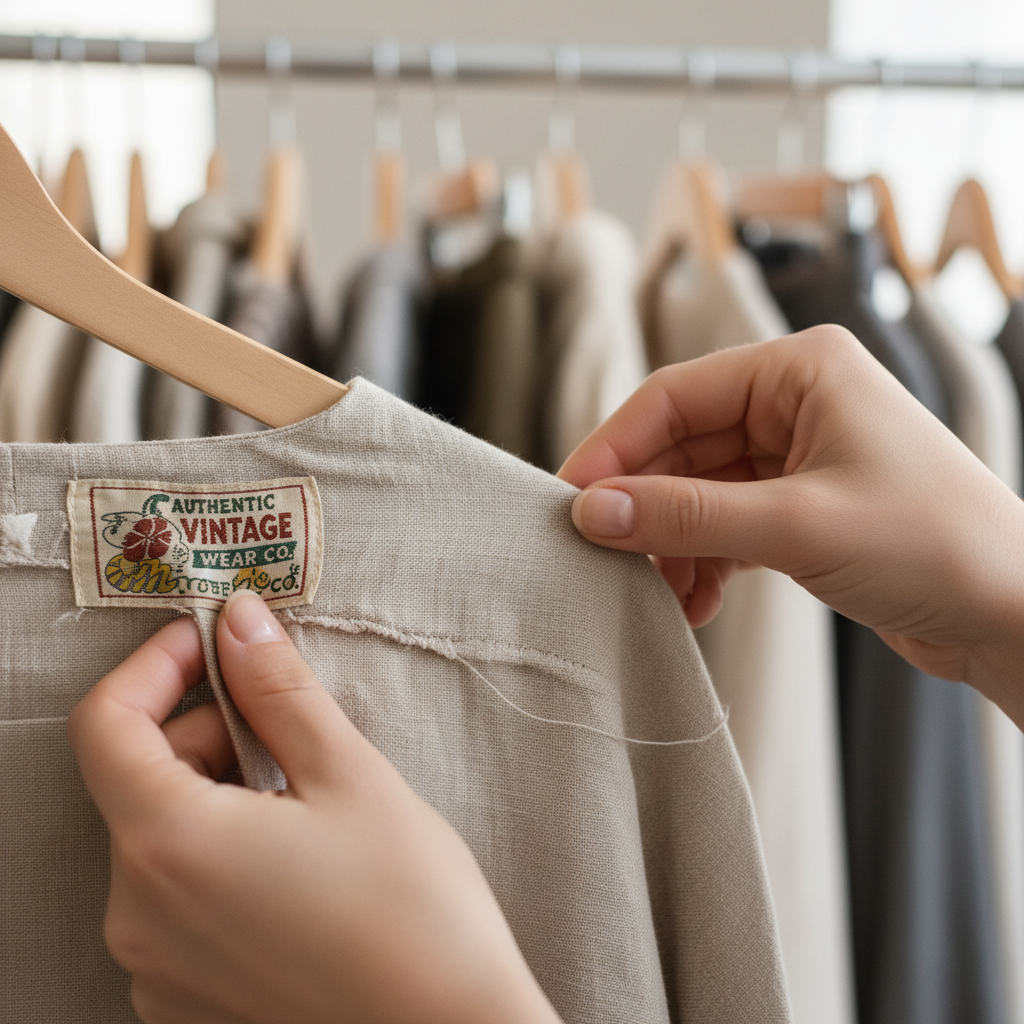
Key takeaway: set a per-item ceiling before you shop. If the tag crosses it, the item needs to be exceptional, not just “fine.”
Common mistakes that quietly waste money
A few patterns show up again and again, even with experienced shoppers.
- Buying for an imaginary lifestyle: if you don’t wear hats now, five thrifted hats won’t change that.
- Ignoring care requirements: dry-clean-only pieces can be worth it, but only if you really plan for the upkeep.
- “It’s cheap” math: five $8 items you never use cost more than one $30 item you love weekly.
- Overestimating DIY repairs: minor hemming is realistic for many people; complicated tailoring often sits unfinished.
If you want thrift shopping tips that stick, track your misses for a month. You’ll usually see one mistake repeating, and fixing that single habit changes your results fast.
Practical thrifting kits and post-purchase steps
Bring a small kit, and your in-store decisions get easier. Keep it lightweight so it doesn’t become a hassle.
- Measuring tape (or measurements saved in your phone)
- Hand sanitizer and a travel lint roller
- Reusable tote bags
- A notes list of “missing basics” so you don’t drift
After you get home
- Wash or clean items based on care labels; if you’re unsure about delicate materials, a professional cleaner can advise.
- Quarantine items that may need extra cleaning (especially bags and shoes) until you’ve inspected them in good light.
- Remove tags and integrate the item immediately, hang it with similar pieces so it doesn’t get forgotten.
Conclusion: make thrifting feel less random
The best finds usually come from a repeatable routine: define your trip type, time your visits realistically, inspect quickly, and walk away from anything that needs “one more fix” to be wearable. That’s the version of thrifting that saves money and reduces clutter.
If you shop this week, pick one change only: use the 20-second inspection on every item before it goes in your cart. It’s simple, it’s a little boring, and it works.
FAQ
What are the most useful thrift shopping tips for beginners?
Start with a short list (2–3 items), learn your sizes and measurements, and practice fast inspections for stains, seams, and zippers. Beginners do better with “mission trips” than open-ended browsing.
When is the best time to go thrifting in the U.S.?
It varies by store, but many shoppers have luck on weekdays or earlier in the day when racks feel less picked over. Ask staff about restock patterns if the store is comfortable sharing.
How do I spot quality clothing at a thrift store?
Look for sturdy fabric, clean stitching, intact linings, and minimal pilling. Brand can help, but construction and condition usually matter more than the label.
Are thrift stores cheaper than online resale?
Often, but not always. Online resale tends to price in convenience and searchability, while thrift stores price inconsistently. Compare based on total cost, including cleaning, repairs, and returns.
What should I avoid buying secondhand?
If you can’t verify safety or completeness, it’s usually a skip. For items like appliances or cookware with worn coatings, be cautious and consider professional guidance if you’re unsure about safe use.
How can I thrift a work wardrobe without wasting money?
Prioritize fit at the shoulders and waist, choose neutral colors you can repeat, and buy fewer pieces with better fabric. A blazer that fits well does more than three “almost right” options.
Do thrift stores restock every day?
Many do, but the method differs—some roll out carts throughout the day, others stock in waves. Watching the floor for 10 minutes teaches you more than guessing.
How do I keep thrift finds from turning into clutter?
Use a one-in-one-out rule for categories that already feel full, and only buy items you can wear or use within the next two weeks. If it needs a special occasion to justify it, it may not be a real win.